Icelanders are set to participate in a significant referendum on Saturday, aimed at addressing the country's potential involvement with the European Union (EU). This decision comes in light of an increasingly unstable global landscape, prompting discussions about Iceland’s foreign relations and economic strategies. The referendum will allow citizens to express their opinion on whether or not to reinitiate discussions with the EU regarding membership negotiations.
The current vote is not about confirming Iceland’s membership in the EU, which consists of 27 member states, but rather about allowing the government to explore the possibility of engaging in negotiations concerning the terms of access to the EU. This distinction is critical as it highlights the cautious approach Iceland is taking, with voters being asked to weigh in on the prospect of talks rather than a definitive decision on EU membership itself.
The backdrop of this referendum is characterized by various international challenges, including economic uncertainties and geopolitical tensions that have been escalating in recent years. Many Icelanders are reflecting on the implications of joining a larger political and economic bloc like the EU, especially in a time where global alliances are being tested. Previous discussions about EU entry have evoked strong opinions, with some citizens supporting the move for greater integration and others advocating for the preservation of Icelandic sovereignty and independence.
Historically, Iceland’s relationship with the EU has been complicated. The nation previously applied for EU membership in 2009 but suspended negotiations in 2015, citing a desire to focus on domestic issues and the need for national consensus on such a pivotal matter. This referendum marks a renewed interest in potentially revitalizing those discussions, considered by some as necessary for adapting to a rapidly changing world.
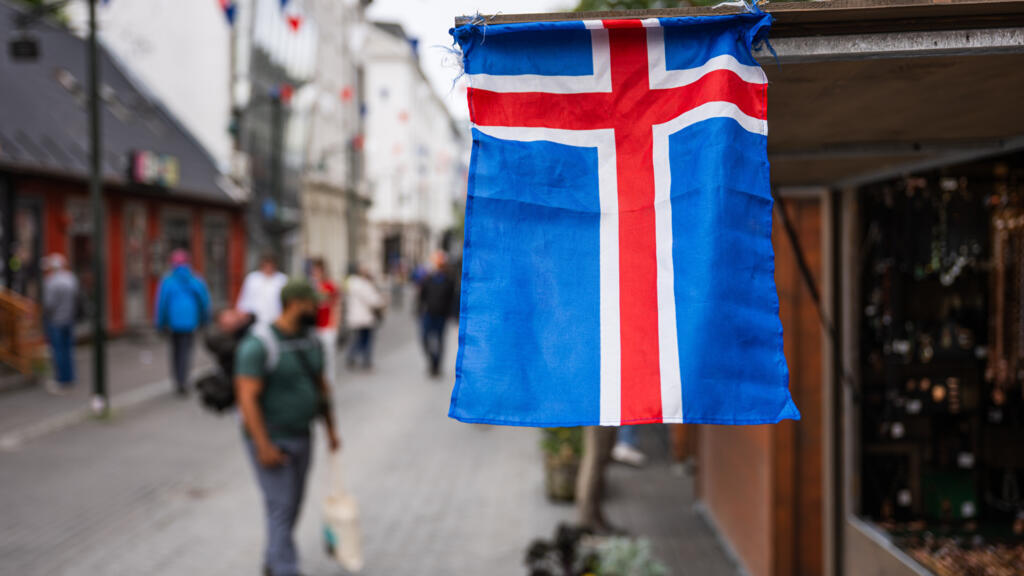
To provide further context, Iceland is known for its unique geographical and cultural characteristics, standing as a small island nation in the North Atlantic. Its economy, heavily reliant on fishing and tourism, benefits from EU trade agreements, yet remains wary of the broader implications of full membership, particularly regarding fishing rights and environmental regulations.
As the vote approaches, political parties and civil organizations are mobilizing efforts to inform voters of the potential consequences and benefits associated with resuming talks with the EU. Advocates for negotiations argue that access to the single market could bolster Iceland’s economy and provide more stability, particularly in times of global financial uncertainty. Conversely, opponents express concerns that EU regulations could infringe upon Iceland’s autonomous decision-making in key areas like natural resources management.
In conclusion, Iceland’s referendum serves as a pivotal moment in shaping the future of its international relations, giving citizens the opportunity to voice their opinions on the possibility of re-engagement with the European Union. The outcome may not only influence the nation's policymaking but also reflect broader sentiments among Icelanders regarding their place in an increasingly integrated Europe. As the referendum date approaches, the eyes of both proponents and skeptics are keenly focused on the decision that will emerge from this democratic process.