Bayeux Tapestry Arrives in London for Exhibition
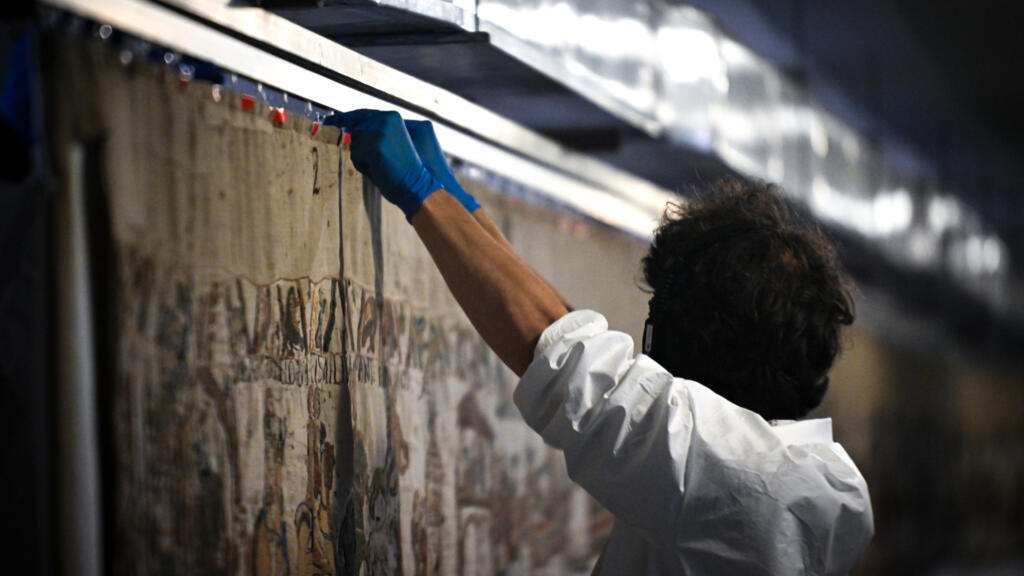
The renowned medieval Bayeux Tapestry has officially arrived in London after nearly 1,000 years, marking a significant cultural moment. This historic artifact has been loaned from France for a year and will be prominently displayed at the British Museum. The arrival of the tapestry, which measures approximately 70 meters long and 50 centimeters tall, has generated immense excitement among historians, art enthusiasts, and the general public alike.
The Bayeux Tapestry is not merely an artwork; it is an epic narrative of the Norman Conquest of England in 1066. The embroidery tells the story of Duke William of Normandy and his campaign against King Harold II, culminating in the pivotal Battle of Hastings. This intricate piece of history is both a work of art and a documented account, providing insights into the social, political, and military life of the 11th century. The tapestry features over 600 human figures, 200 horses, and various other motifs, making it an invaluable resource for understanding medieval history.
To ensure the safety and security of the tapestry during its transit, the journey has been shrouded in secrecy. Authorities have expressed concerns over potential threats, including both physical damage and the possibility of theft. As a result, the logistics surrounding the transportation have been meticulously planned, involving high-level security protocols. The tapestry was transported under tight security measures, traveling in a specially designed case to protect it from any environmental damages or risks during its journey across the English Channel.
Upon its arrival at the British Museum, the Bayeux Tapestry will be part of a larger exhibition dedicated to the art and history of the medieval period. The museum, one of the world’s most prestigious cultural institutions, is well-equipped to showcase such a significant piece. Curators are preparing to engage visitors through various educational programs, interactive displays, and expert talks, allowing for a deeper appreciation of the tapestry's historical context and artistic significance.
The exhibition is expected to attract a multitude of visitors, and ticket sales have already shown a surge in interest. Many schools and tour groups are planning field trips centered around the exhibit, as it presents a unique opportunity for educational enrichment. The Bayeux Tapestry provides a vivid glimpse into a momentous event that shaped British history, making it a compelling subject for study and exploration.
In addition to its historical relevance, the tapestry also offers a fantastic visual feast. The colors and intricate details of the embroidery showcase the craftsmanship of the 11th-century artisans who created it. The scene-by-scene depiction of events, along with Latin inscriptions that accompany the images, helps to narrate the tale in a way that is both entertaining and informative for viewers of all ages.
Officials from the British Museum and the French government have expressed their enthusiasm for this collaborative endeavor. The loan of the tapestry is seen as a gesture of goodwill and cultural exchange between the two nations, highlighting the importance of preserving and sharing historical artifacts across borders. This exhibition not only aims to educate the public but also to foster international camaraderie through shared history.
As the Bayeux Tapestry settles into its new temporary home, anticipation builds for the exhibition. Cultural critics and historians alike are eager to witness the tapestry's impact on the public’s understanding of medieval Europe, while art historians are excited to explore its artistic significance. The presence of such a remarkable piece of history in London is poised to invigorate discussions about heritage, art, and the narratives that define nations.