WASHINGTON A letter from Adam Schiff, a Democrat Senator from California, addressed to Premier Christine Fréchette of Quebec, has sparked discussions regarding the current restrictions on the importation and sale of U.S. wine in Canada. Schiff's letter, sent in June, highlights the adverse effects of Canada’s boycott of California wines on local winegrowers.
In a social media post this Thursday, Schiff remarked, “Canada’s boycott of California wine is causing devastating harm to winegrowers.” He urged the Canadian government to lift these restrictions to enhance consumer choices and fortify both economies. This pressure from California lawmakers has intensified as several Canadian provincial liquor boards halted the purchase of American alcohol last year in retaliation against U.S. President Donald Trump’s tariffs and remarks threatening annexation.
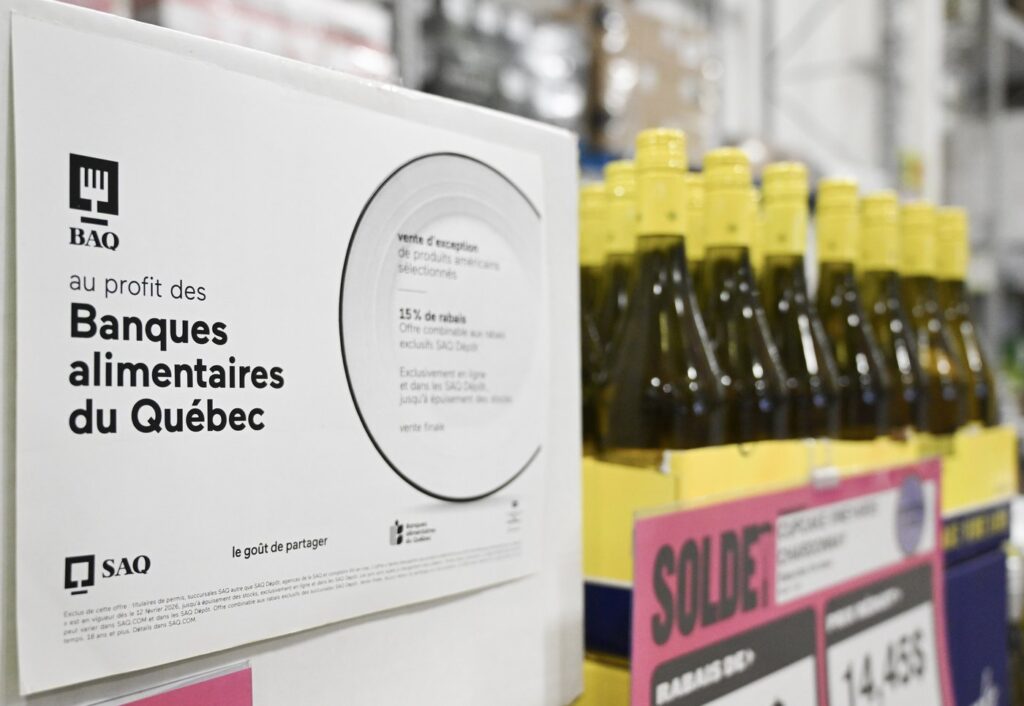
Despite some provinces like Saskatchewan and Alberta resuming purchases of American beverages, significant markets such as Ontario and Quebec continue to withhold U.S. alcohol from their shelves. This issue has generated bipartisan concern among U.S. legislators, prompting a group of 14 representatives from California to pen similar letters urging Quebec to reinstate purchases of American alcohol.
The lawmakers stressed that “Québec consumers have historically enjoyed access to a wide variety of American wines, and their absence limits choice in the marketplace, while cutting off a $434 million market.” In response to the escalating tension, U.S. lawmakers are considering legislative actions to prompt a trade investigation into unfair practices under Section 301 of the Trade Act of 1974.
Republican Congresswoman Claudia Tenney from New York announced her intention to introduce the Combating Attacks on our National Alcoholic Drinks by Allies Act, known as the CANADA Act, in the U.S. House of Representatives. Tenney expressed her firm stance against Canadian provinces holding American wineries hostage as a negotiation tactic, emphasizing that they cannot be allowed to manipulate American businesses through such restrictions.
The impact of these trade disputes has been significant, as American alcohol industry groups report a drastic decline in exports due to the Canadian bans, with the Distilled Spirits Council of the United States noting a staggering 63 percent drop in U.S. spirits exports to Canada for the year 2025. This has reignited calls for a normalization of Canada-U.S. trade relations.
As of Friday, the Quebec government has shown no inclination to alter its stance. A spokesperson for Premier Fréchette stated, “In the context of the ongoing trade war, the premier continues to defend Quebec’s economic interests.” The spokesperson reaffirmed that the current measures would persist as long as the U.S. maintains what they describe as unjustified tariffs. The Quebec government will reassess its position only if the American administration decides to withdraw these tariffs.
Ontario Premier Doug Ford also pointed to Trump’s tariffs and controversial rhetoric surrounding a potential “51st state” as justifications for maintaining the alcohol import ban. In discussions with reporters, Ford indicated that he would welcome back American alcohol once the Canada-U.S.-Mexico Agreement, also referred to as CUMSA, is renewed.
This week, following announcements regarding Tenney’s bill, Ford reiterated Ontario’s determination not to concede. He stated, “We won’t back down. The fastest and only way to get U.S. alcohol back on Ontario shelves is for the U.S. to drop its illegal tariffs on Canada.”
Amid escalating tensions, the United States announced last week that it would not renew CUSMA, prompting a rolling annual review process that could extend for up to a decade unless a mutually agreeable extension is reached. Both Canada and Mexico have called for a 16-year extension of the trade agreement.