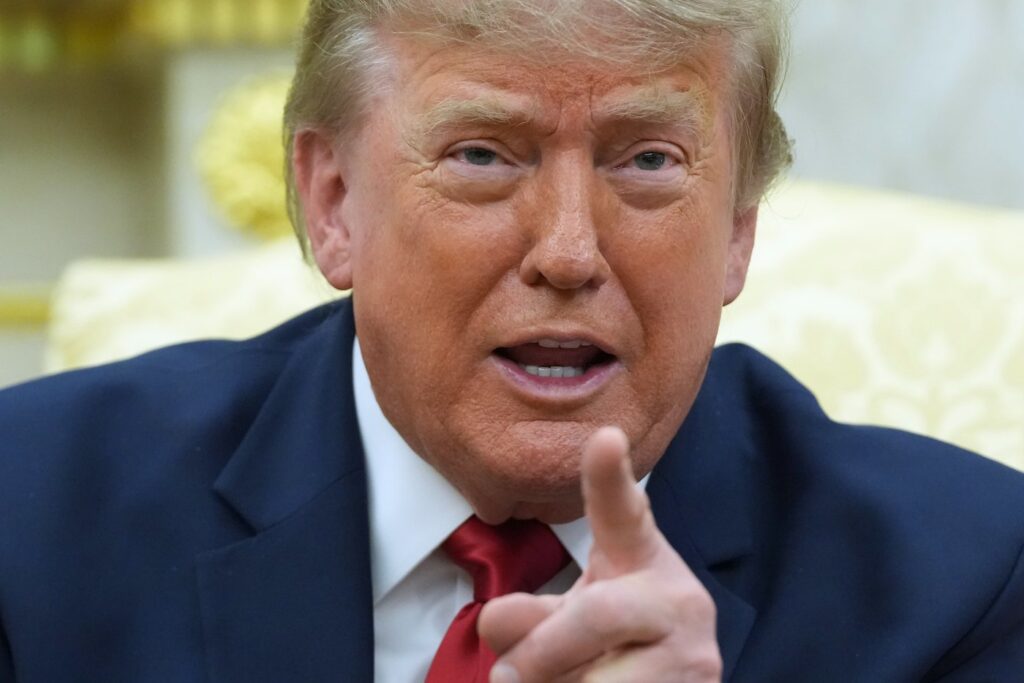
DUBAI, United Arab Emirates (AP) — On Monday, U.S. President Donald Trump announced the "reinstatement" of a blockade on Iran in the strategically crucial Strait of Hormuz. This decision comes amid continued tensions due to intensified military confrontations, which have jeopardized negotiations aimed at ending the ongoing conflict between the two nations. Trump indicated that Iranian vessels would no longer have free passage through the strait, introducing a 20% toll on eligible cargo as the United States seeks to secure the shipping lane.
Trump conveyed his message via social media, emphasizing that the blockade specifically targets Iranian ships and their customers. "We are reinstating the THE IRANIAN BLOCKADE, so named because it is only stopping Iran’s ships or customers from entering or leaving," he stated. He argued that this toll would finance the necessary measures for ensuring security in this volatile maritime region, crucial for global oil and gas transportation.
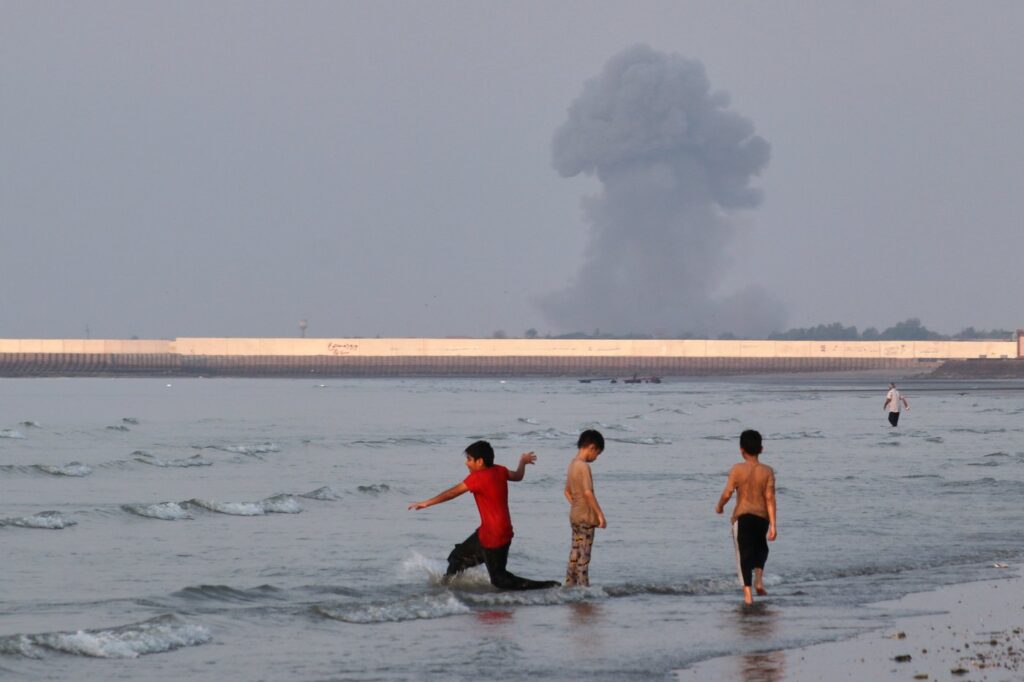
Prior to the conflict escalation, approximately one-fifth of the world's oil and gas traversed the Strait of Hormuz. However, Iran has asserted its control over the waterway since the outbreak of hostilities on February 28, escalating regional tensions. The most recent flare-up occurred on Sunday when Iran attacked a container ship in the strait, embedding itself deeper into the conflict following failed peace negotiations.
Iran maintains its stance that it has the right to oversee traffic through the strait and charge for passage, citing an interim peace deal reached the previous month. Conversely, the U.S. and other nations dispute this claim based on international maritime law concerning freedom of navigation. The American military has been making efforts to establish alternative routes that circumvent Iranian jurisdiction.
The ongoing military escalation has raised alarm as both countries grapple with a negotiation window that is nearly halfway through their 60-day timeline intended for reaching a permanent peace agreement and addressing Iran's contentious nuclear program. Rather than achieving diplomatic progress, exchanges of fire in the strait have stirred fears of a full-scale return to war, significantly impacting global economic stability.
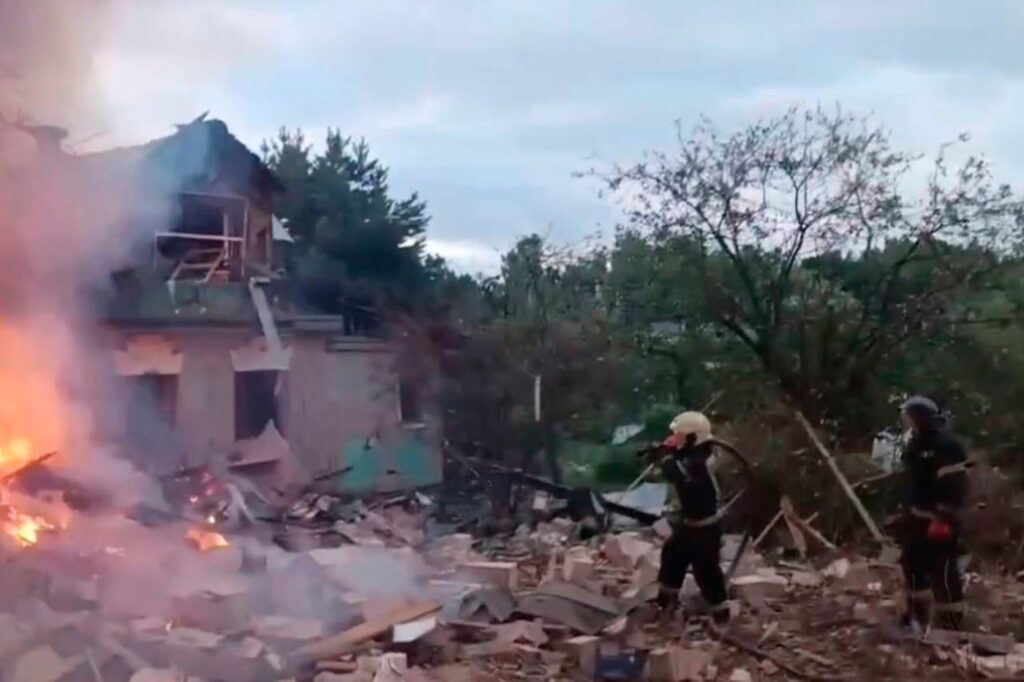
The market responded to the news with fluctuations; oil prices initially surged nearly 5% before stabilizing again. U.S. benchmark crude, which reached almost $120 per barrel at the conflict's peak, was trading around $72.92. Meanwhile, the U.S. military reported conducting significant strikes across Iran, targeting various military installations that included air defense systems, missile equipment, and small boats, reinforcing its position that Iran does not control the Strait of Hormuz.
In response, Kaja Kallas, the European Union's foreign policy chief, urged for the strait to be reopened, echoing the imperative for respecting maritime navigation rights. Mohammed Mokhber, an advisor to Iran's supreme leader, asserted that Iran would vigorously defend its rights over the strait, rejecting notions of yielding to external pressure. The Revolutionary Guard echoed this sentiment, declaring the Strait of Hormuz as Iranian territory and indicating a steadfast resistance to perceived external aggressions.
The situation has intensified with reports of missile alerts in Bahrain, which hosts the U.S. Navy's Fifth Fleet, as well as hostile fire interceptions in Kuwait. Jordan's military claimed to have downed four Iranian missiles without casualties. This heightened state of conflict has raised the specter of retaliation from Gulf Arab nations against Iran in response to the escalating violence.
The rapid exchanges of fire on Sunday triggered severe military responses from the U.S., which claimed to have struck numerous targets within Iran's territory. Iran retaliated with attacks against regional allies of the U.S., including Bahrain, Kuwait, Qatar, and Jordan. Tensions are further exacerbated with reports of Iranian attacks on Kurdish opposition positions in Iraq.
As the U.S. military buoyed its operational support along alternative routes circumventing the Iranian-controlled strait, Iran's foreign ministry criticized the chaotic state of the region as a direct outcome of American interventions. Despite Trump's suggestions that the interim conflict resolution may be failing, mediation efforts by third-party nations such as Pakistan, Qatar, and Egypt persist in hopes of achieving a long-term resolution.