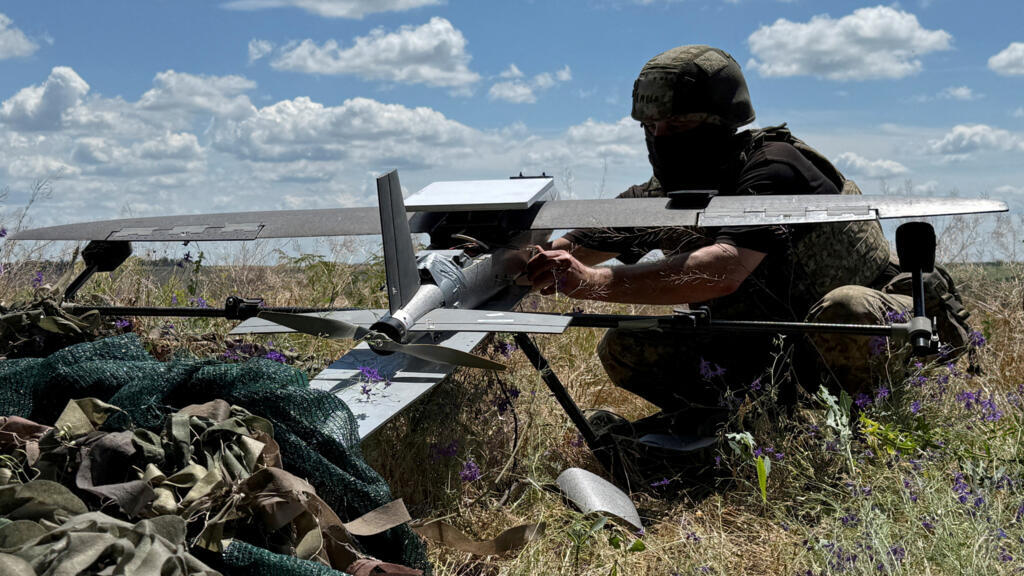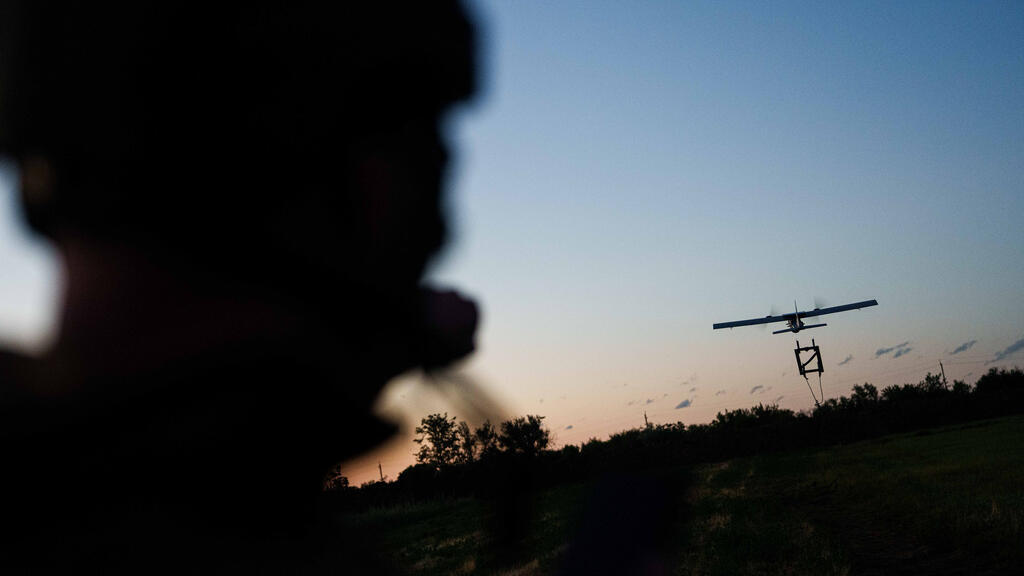
On Monday, a series of drone attacks struck the Moscow region, resulting in the deaths of at least three individuals and injuring five more, according to Governor Andrey Vorobyov's statement on Telegram. This incident highlights the escalation of hostilities between Ukraine and Russia, particularly in the context of ongoing conflicts over energy infrastructure.
As the conflict between the two nations continues, Ukraine has been ramping up its operations targeting various Russian energy installations. These strikes are part of a broader strategy in response to a series of attacks and military actions initiated by Moscow. The increased intensity of Ukraine’s assaults on energy targets signals a shift in tactics aimed at crippling Russia’s critical infrastructure, thereby impacting its military capabilities as well as the civilian energy supply.
Governor Vorobyov did not provide specific details about the locations targeted by the drones, nor was there immediate clarification on the type of drones used in the attack. However, the implications of such actions are significant, suggesting an extension of the battlefield into Russian territories, which could escalate the current tensions further.
In recent months, both countries have witnessed an increase in cross-border military engagements. Ukraine's intensified strikes on Russian energy facilities align with the ongoing strategy to undermine Russia's operational ability and morale. This new phase in the conflict not only has ramifications for military strategies but also affects the civilian population, as energy shortages can lead to economic disruptions and humanitarian challenges in affected areas.
The drone strikes in the Moscow region are particularly noteworthy as they reflect a shift in the operational dynamics of the conflict. Ukrainian forces appear to be adopting more aggressive tactics that aim to bring the war closer to home for the Russian military and political leadership. This response can serve as a dual-purpose strategy: it targets military installations while also sending a psychological message by directly affecting the Russian populace.
This incident is indicative of the broader geopolitical implications of the ongoing war. As both nations continue to engage in military operations, the potential for miscalculations or further escalations increases. The international community watches closely as the situation evolves, with concerns about how these events might influence regional stability and international relations.
Overall, the drone attacks signify a troubling trend in the conflict, wherein both Ukraine and Russia are likely to continue engaging in increasingly provocative military actions. The targeting of civilian areas or energy infrastructure raises ethical and strategic questions about the conduct of warfare in this prolonged conflict.