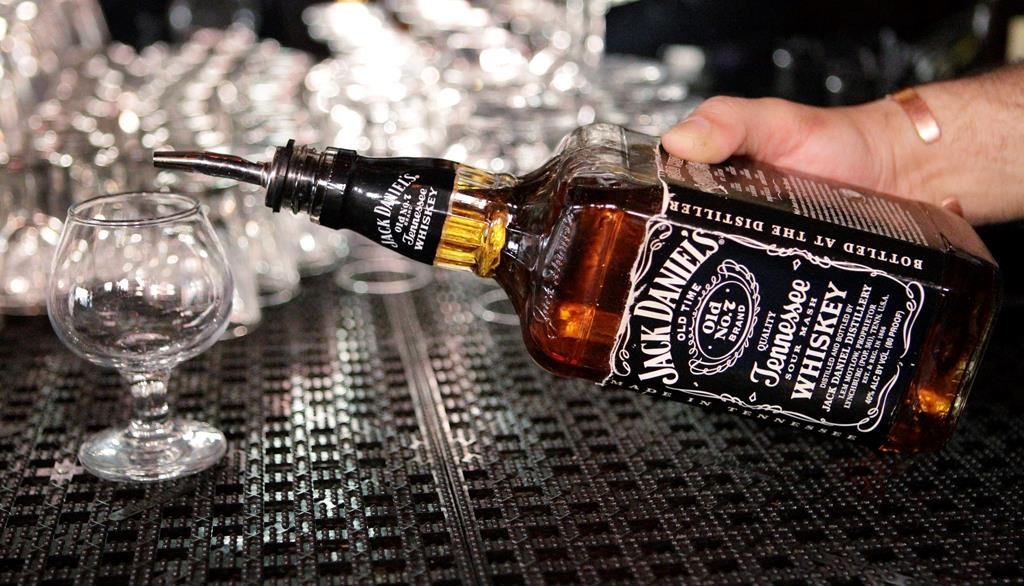
In response to U.S. President Donald Trump’s trade war, the province of Ontario has removed American alcohol from its liquor store shelves, which has led to considerable financial implications for the region. As the Liquor Control Board of Ontario (LCBO) continues to hold U.S.-made liquor, the costs associated with storage have reached a staggering $8 million. This financial burden has raised concerns among business experts regarding its impact on the LCBO's profit margins and, ultimately, on provincial taxpayers.
Michael Armstrong, a professor at Brock University’s Goodman School of Business, pointed out that the ongoing situation costs the LCBO nearly $1 million each month. This financial strain will ultimately affect the profits that would typically contribute to the Provincial Treasury, meaning taxpayers will bear the brunt of these expenses. As the situation prolongs, it becomes increasingly unsustainable for the LCBO to maintain its inventory without sales.
Furthermore, the prolonged storage has resulted in some of the U.S. products expiring. Approximately $2.6 million worth of U.S. liquor products was reported to have expired by the end of March 2026. With this, the total cost of the retaliatory trade strategy has exceeded $10 million. However, the LCBO has stated that around 97 percent of its stored U.S. products are still in good condition and within their normal shelf-life, with spirit products remaining safe for consumption for up to a decade.
The LCBO emphasizes that it will continue to store U.S. products, ensuring they adhere to its standards and are continually evaluated. The organization is also in discussions with the government to determine the best course of action moving forward. Given the escalating costs associated with storage and maintenance, Armstrong has suggested that it would be more beneficial to sell off the existing inventory. By doing so, it would not only alleviate financial pressure on the LCBO but also generate revenue for the provincial treasury, subsequently benefiting taxpayers.
In light of the ongoing tariffs imposed by the U.S., Ontario's Finance Minister Peter Bethlenfalvy's office indicated that the situation remains unchanged: until the tariffs are lifted, the U.S. products will continue to be unavailable on the shelves. This development naurses doubts about the future of American alcohol sales in Ontario while weighing the implications of international trade policies on local economies.
As the situation unfolds, the LCBO faces a critical decision on how to manage the stored U.S. products effectively while balancing fiscal responsibility and public expectations. The approach they choose will have lasting effects not only on the agency’s financial health but on the province's overall economic landscape as well.