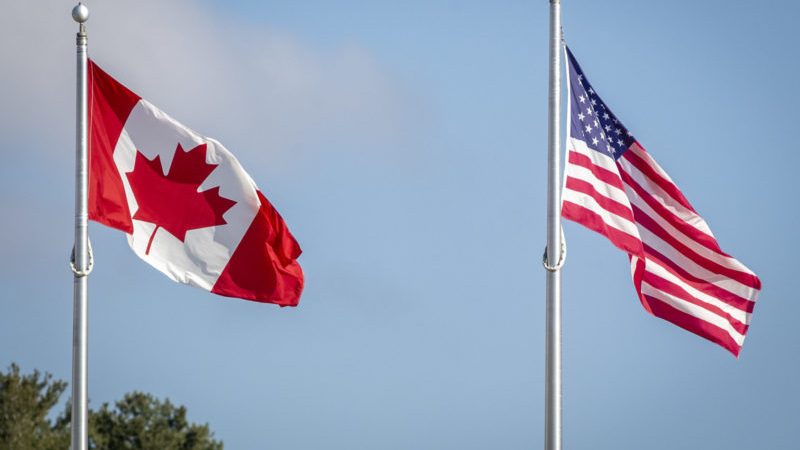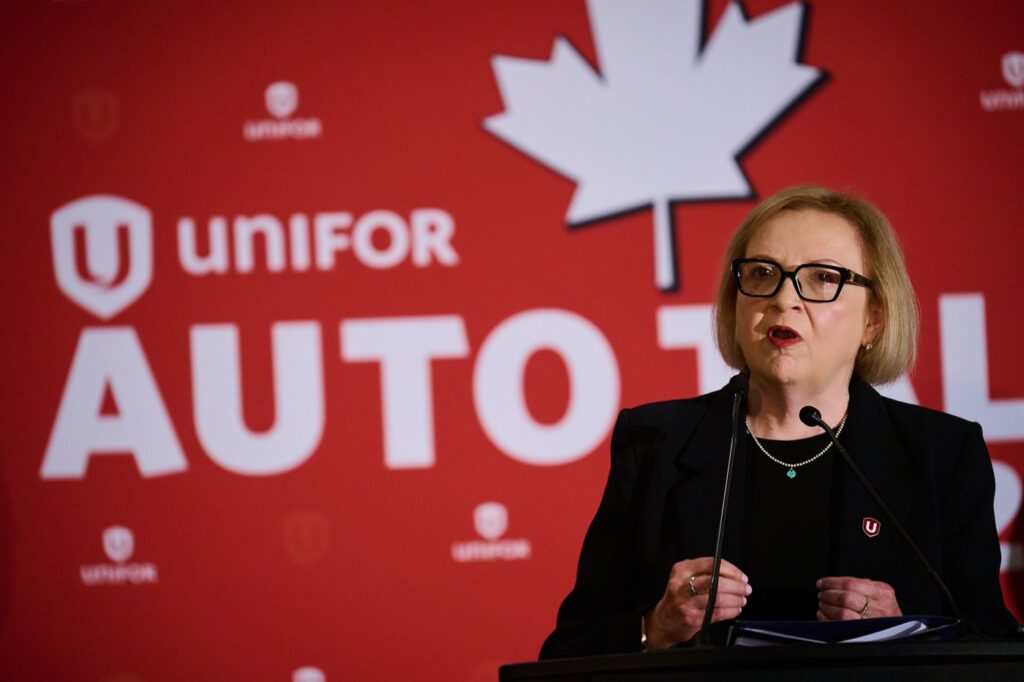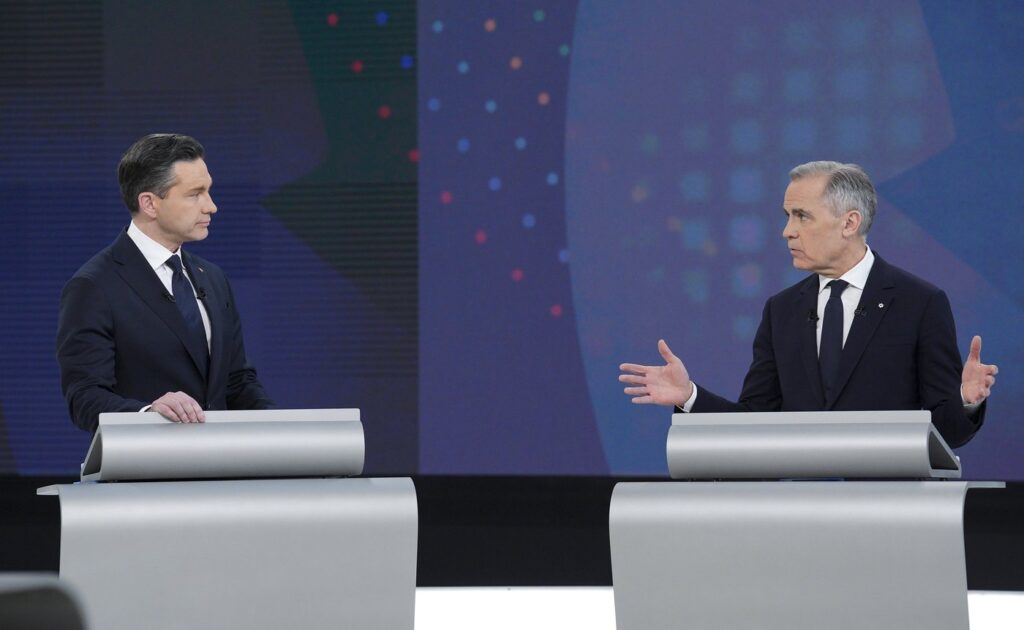
OTTAWA — Canada’s top trade negotiators are preparing to return to Washington this week for further discussions with the Trump administration, amidst mounting pressure from the Opposition Conservatives. They are urging Prime Minister Mark Carney to halt any concessions in the quest for a tariff-free trade agreement.
The negotiations between Canada and the United States have intensified in the weeks leading up to an August 19 deadline, which threatens to impose 50 percent tariffs on various Canadian exports. Canada’s Trade Minister Dominic LeBlanc and Chief Negotiator Janice Charette have been tasked with these crucial discussions, according to LeBlanc's spokesman, Gabriel Brunet.
Brunet reported that the Canadian trade team has engaged in two meetings with U.S. Trade Representative Jamieson Greer over the last fortnight. The agenda of these talks has broadly covered the newly threatened duties, existing sectoral tariffs, and the renegotiations concerning the Canada-U.S.-Mexico Agreement (CUSMA).
“In doing so, we are taking a Team Canada approach — working with provinces and territories, across party lines, to get the best deal for Canada,” Brunet stated, emphasizing a collaborative strategy in the negotiations.
In a letter addressed to Prime Minister Carney, Conservative Leader Pierre Poilievre and Canada-U.S. relations critic Shuvaloy Majumdar accused the Prime Minister of consistently yielding to U.S. President Donald Trump over the previous year. They highlighted significant concessions made by Canada, such as the abandonment of the digital service tax, removal of counter-tariffs, and involving the U.S. in a revenue-sharing deal related to the recently opened Gordie Howe International Bridge.
Poilievre and Majumdar countered Carney’s previous assertion that no deal is preferable to a bad deal. They pointed to job losses in Canadian cities heavily reliant on manufacturing and cross-border supply chains as evidence of the need for stronger negotiation tactics.
“Canadians deserve a government that has the backbone to fight for our workers, our families, and every inch of our sovereignty,” they asserted in the letter, calling for enhanced trade protections.
In response, Brunet accused Poilievre of undermining Canada’s economic performance. He pointed to recent job creation data reflecting a robust labor market as a defense of the Liberal government’s economic record amidst the challenges posed by U.S. tariffs.
The Conservatives outlined several demands in their letter to be included in a revised trade agreement with the United States. These requests include the elimination of U.S. tariffs on lumber, steel, and aluminum, as well as an exemption from “Buy America” rules for infrastructure projects. Additionally, they proposed a new auto pact similar to the 1965 agreement, which would facilitate duty-free trade for vehicles manufactured in Canada.
Moreover, the Conservatives have reiterated calls for establishing a strategic reserve of critical minerals, available to countries that grant tariff-free market access. Both Canada and Mexico expressed their desire for CUSMA to be extended for an additional 16 years. However, the U.S. has opted for rolling annual reviews instead.
Trade irritants identified by the United States include provincial bans on U.S. alcoholic beverages and the supply management system that shields Canadian dairy. President Trump has persistently voiced concerns regarding American dairy farmers' access to the Canadian market.
Prime Minister Carney reaffirmed his government’s commitment to the supply management system during discussions with Dairy Farmers of Canada. They cautioned against offering concessions pertaining to the dairy industry, indicating that Canada has already made several compromises, only to face new demands thereafter.
In conclusion, the Conservatives emphasized that the time for further concessions has elapsed. They reiterated, “Before you concede anything else, Canadians deserve a good deal,” stressing the importance of safeguarding Canadian interests in ongoing trade negotiations.