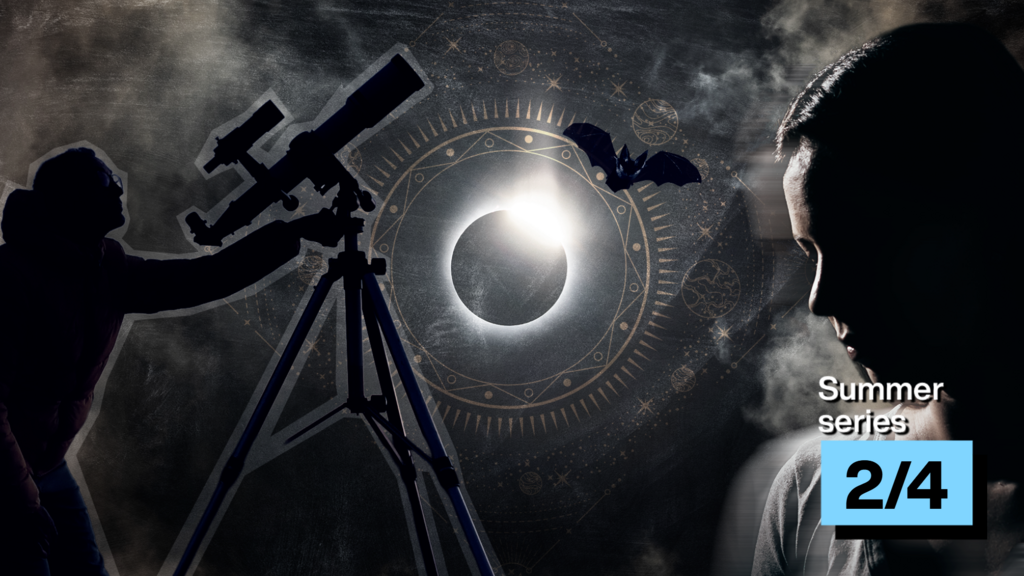
Total Solar Eclipse: A Celestial Marvel in Northern Spain
On August 12, 2026, a total solar eclipse is set to captivate millions as it sweeps across northern Spain, marking one of the most anticipated astronomical events of the decade. This rare occurrence, where the Moon completely obscures the Sun, creates a striking spectacle that draws not only astronomy enthusiasts but also casual observers hoping to experience its magical moment.
The path of totality, where observers can witness the complete eclipse, will traverse a series of picturesque locations across northern Spain, offering breathtaking views. Cities like A Coruña, Santiago de Compostela, and Oviedo are among those poised to witness the eclipse in its full glory. With a total duration of several minutes of darkness during the peak, the phenomenon allows for a rare glimpse of the Sun's corona, the outer atmosphere which becomes visible only during such eclipses.
Solar eclipses, particularly total ones, have been a subject of fascination for scientists for centuries. From ancient civilizations that interpreted these celestial events as omens to modern-day researchers who study their effects on both the environment and living beings, eclipses continue to provide invaluable insights into astronomical phenomena. Historically, notable eclipses have been recorded around the world, influencing various cultures and even impacting human behavior and emotions.
The total solar eclipse provides a unique opportunity for scientists to study the corona, which is typically obscured by the Sun's blinding light. During an eclipse, the absence of sunlight allows researchers to investigate the corona’s temperature and composition, leading to a deeper understanding of solar physics and its impact on space weather. These studies can help predict solar flares and other phenomena that could affect satellite communications and power systems on Earth.
Additionally, the total solar eclipse has long been associated with significant changes in animal behavior. Many animals react to the sudden darkness as if it were dusk, which can lead to confusion in their routines. Some birds, for example, may stop singing, while nocturnal creatures may emerge, creating a fascinating spectacle of nature's response to this rare event. Researchers are keen to observe these behavioral changes during the upcoming eclipse, contributing to our understanding of animal biology and environmental interactions.
For the general population, the emotional responses to witnessing a total solar eclipse can be profound. Many describe the experience as awe-inspiring and sometimes life-changing. The collective gathering of people to witness this extraordinary event fosters a sense of community and shared experience, highlighting the importance of astronomical events in human culture. As anticipation mounts for the eclipse in northern Spain, preparations are already underway to cater to travelers and astronomers flocking to the regions within the path of totality.
The significance of the total solar eclipse extends beyond personal enjoyment and scientific inquiry. It serves as an astronomical reminder of the intricate dynamics of our solar system, revealing the intricate dance between the Earth, Moon, and Sun. As we continue to explore and understand these celestial events, the total solar eclipse remains a testament to humanity's quest for knowledge about the universe.
In conclusion, the total solar eclipse on August 12, 2026, promises to be a remarkable event that captivates not only those in northern Spain but also astronomy enthusiasts worldwide. Providing valuable scientific insights while evoking emotional responses from observers, this extraordinary phenomenon underscores the timeless fascination with celestial events and their enduring impact on our planet.