NASHVILLE, Tenn. (AP) – Christa Pike, who went through a failed execution attempt in Tennessee, was described as “angry and confused” after regaining consciousness. Her lawyer, Randy Spivey, reported that she first asked, “Where am I?” following her unexpected awakening, which occurred as plans were being made to remove her from life support just six days after she was strapped to a gurney in the death chamber.
Pike is believed to be the first person to survive an administration of lethal injection drugs during an execution. The shocking turn of events came to light when her attorneys shared that she began talking on Tuesday. Randy Spivey mentioned, “But on Tuesday, to the shock of everyone ... Christa woke up and began talking.”
Christa Pike, 50, was sentenced to death for the brutal beating and stabbing of her classmate, Colleen Slemmer, back in 1995. Spivey indicated that although she is aware of her circumstances to some extent, there are still many questions regarding her recovery prognosis and whether Tennessee will attempt to execute her again.
Pike's legal team is asking for clemency, arguing that she has already suffered enough. A Nashville judge instructed the state to preserve evidence from the failed execution as Pike’s attorneys seek to learn more about the incident. The execution attempt on September 30 has sparked renewed scrutiny regarding the practices surrounding the death penalty in the United States, particularly in the use of lethal injection. As a notable development, Texas conducted the first execution in the U.S. since Tennessee’s failed attempt on Pike.
Regarding her health, Pike is reportedly facing significant challenges. Her attorneys noted that she is unable to move her arms or swallow, has experienced cognitive confusion, and is currently suffering from pneumonia and a blood clot in her arm. When visited in the hospital, her hands appeared extremely swollen, according to Spivey. The prognosis for her recovery remains uncertain, and the road ahead may be long and arduous.
Pike's confusion was evident in her initial questions after waking, with her first words reported as inquiries about her surroundings and the identities of those present. Her attorneys are pushing for the preservation of evidence related to the execution attempt, emphasizing that Pike's case is unprecedented as she is the first known individual to survive after receiving lethal injection drugs during an execution.
During a court hearing, Judge I’Ashea Myles ordered the Tennessee Department of Correction to preserve various types of evidence, including recordings, witness accounts, and medical items used during the execution attempt. The Tennessee Attorney General’s Office contended that a court order was unnecessary as some evidence had already been collected, but they did not further comment post-hearing.
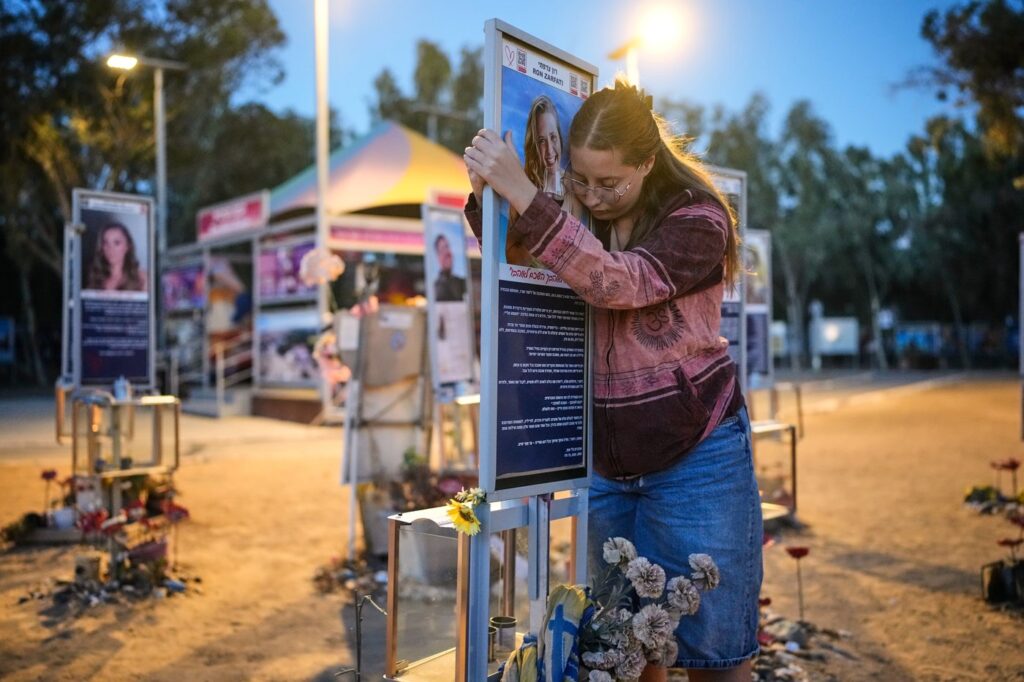
Pike’s legal representatives stated that the state conducted the execution attempt in secrecy, and they demand greater transparency. Calls for clemency continue, while Tennessee Governor Bill Lee has yet to reveal his plans regarding Pike’s situation. Outside the courthouse, supporters expressed their sentiments, with one individual vocally demanding “Justice for Colleen,” referencing the victim, Colleen Slemmer, asserting that Pike should not be seen as the victim in this case.
The execution attempt has been scrutinized following the governor's decision to postpone other executions and call for a review of the events that transpired. This failure has led to the resignation of the prison chief and has raised questions among medical experts regarding the execution process, particularly the potential malfunction of the IV line that may have prevented the lethal drugs from entering Pike’s bloodstream appropriately.
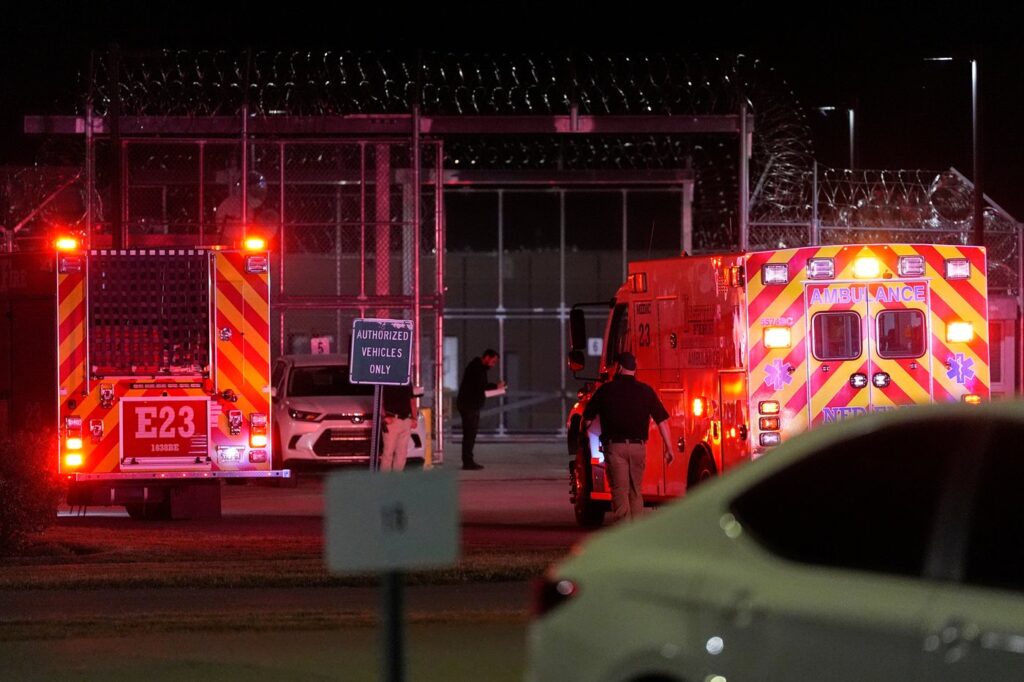
Dr. Joel Zivot, an anesthesiology and surgery professor, believes it may take weeks or months to determine Pike's recovery status and whether her mental competency can be restored for the state to consider another execution attempt. Witness accounts reveal that during the execution, Pike expressed pain shortly after the procedure began, with the situation escalating to her being heard breathing heavily before the media was escorted out of the witness room nearly 90 minutes later. Following this, an ambulance transported her to the hospital.