The Doug Ford government has announced the completion of the removal of a section of bike lanes on Bloor Street West in Etobicoke, restoring vehicle lanes along a 1.2-kilometre stretch of roadway. The province claims this move is essential to alleviate traffic congestion in the area.
According to a release issued on a Friday, the work was completed between Clissold Road and Royal York Road, where crews removed protected cycling infrastructure and reinstated motor vehicle lanes in both directions. This project represents the first completed bike lane removal under the Ford government’s broader initiative to restore road capacity on major Toronto arterial roads. While the decision has garnered support from some motorists and business owners, it has faced strong opposition from cycling advocates, city officials, and road safety groups.
Transportation Minister Prabmeet Sarkaria stated, “We were elected with a clear mandate to fight gridlock, restore traffic lanes and get drivers moving again, and that’s exactly what we’re doing.” He emphasized that bike lanes should be placed where they make sense, not where they exacerbate congestion. Sarkaria reiterated that the province is fulfilling its commitment to restore road capacity on one of Toronto's busiest streets, Bloor Street West.
Cyclist Advocates Push Back
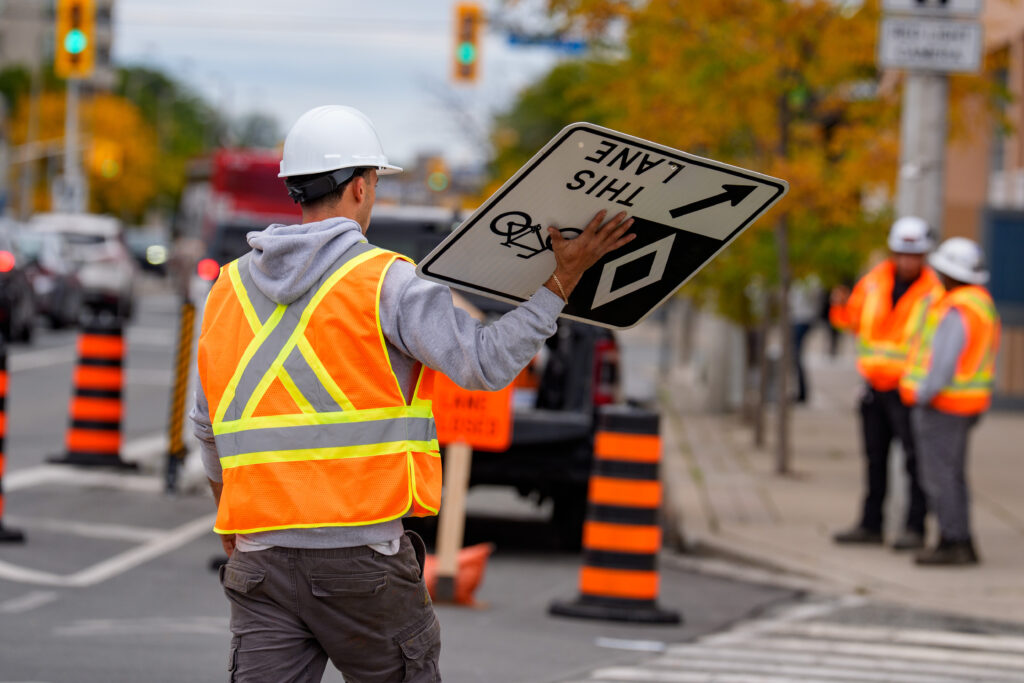
The provincial authorities mentioned that the recent work included removing existing bike lane infrastructure, such as precast curbs, delineators, signage, and bus pads. Crews also completed pavement repairs, resurfacing, new road markings, and the installation of updated traffic signage.
In response, Michael Longfield, the executive director of Cycle Toronto, criticized the government’s decision, stating that residents are “paying for the premier’s fixation.” Longfield claimed that $48 million of taxpayer money is being wasted on removing life-saving infrastructure, which could be better spent on healthcare initiatives, such as new MRI machines or additional long-term care beds.
The removal of bike lanes follows a protracted legal and political struggle over their future in Toronto. In August, the Ontario Court of Appeal ruled that public road design decisions are matters of public policy. This unanimous decision opened the way for Queen’s Park to proceed with plans to eliminate bike lanes on portions of several Toronto roadways.
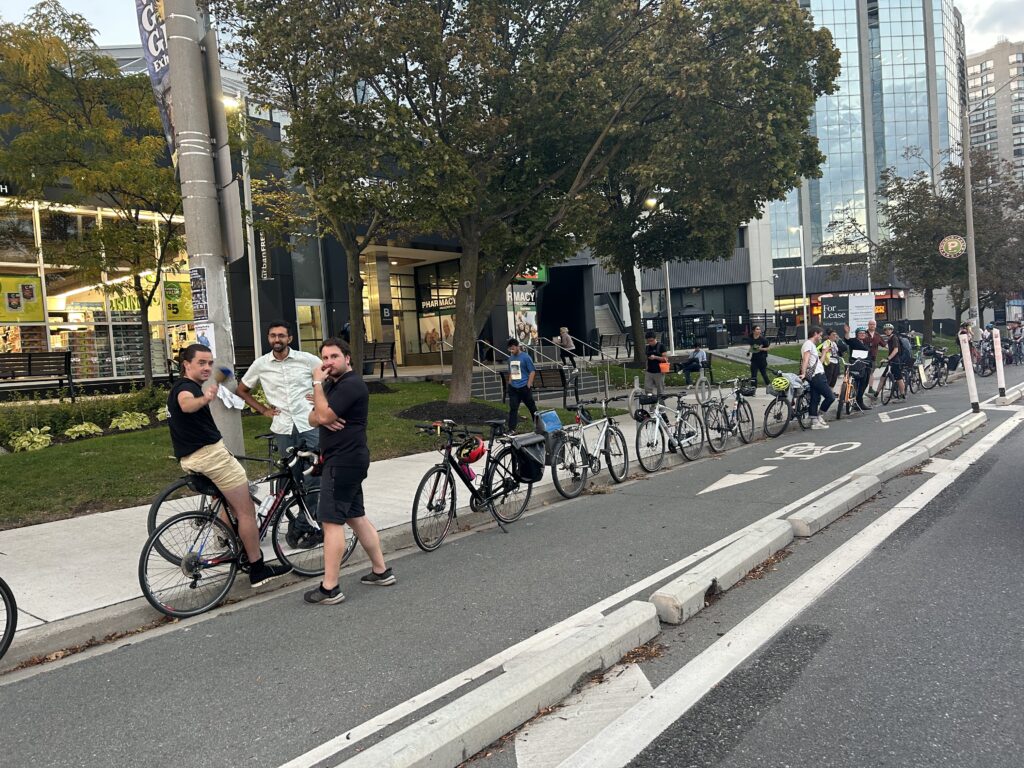
The Bloor Street West project has become a pivotal point in the debate surrounding cycling infrastructure after the province announced construction would commence in Etobicoke. Mayor Olivia Chow condemned the move, calling the bike lane removals “outrageous” and arguing that the province had failed to demonstrate that these changes would effectively reduce congestion. Cycling advocates have organized demonstrations along the corridor, with protesters attempting to impede construction efforts as crews began dismantling the protected lane network.
The tensions escalated further in mid-October when police made arrests during demonstrations near the construction area. In response to the situation, advocates erected a memorial bicycle sculpture along the corridor, aimed at raising awareness about cyclist safety and the implications of removing protected infrastructure.
Support for Bike Lanes Declared
Proponents of the bike lanes have argued that this corridor serves as a vital east-west cycling connection through Etobicoke. They have warned that eliminating protected lanes could lead to a decrease in cycling, thereby increasing the likelihood of collisions involving vulnerable road users.
The Ford government contends that restoring traffic lanes will facilitate better vehicle movement and help address increasing congestion in Toronto, particularly on heavily utilized routes. The province stated that the completion of the work on Bloor Street West is part of a larger review of cycling infrastructure on various major roads in the city.
In September, Ontario issued a request for proposals seeking design options for restoring vehicle lanes on multiple sections of Bloor Street, Yonge Street, University Avenue, Queen’s Park, Queen’s Park Crescent, and Avenue Road. This review will also explore opportunities to retain, modify, or reconfigure bike lanes where they can be accommodated without exacerbating congestion.