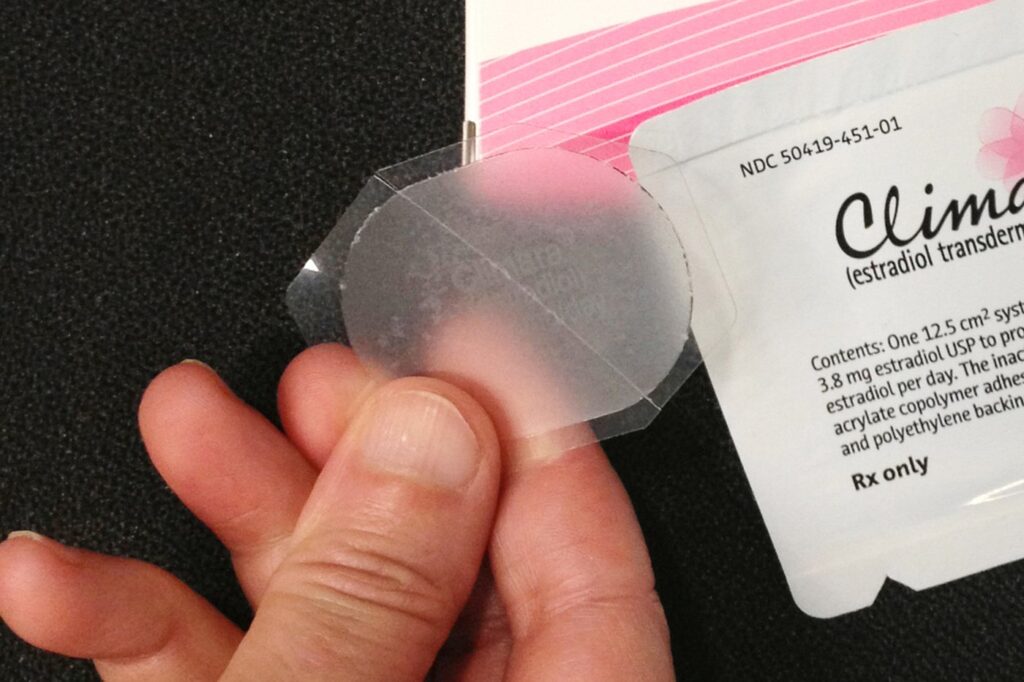
In a significant update after twelve years, the American College of Obstetricians and Gynecologists (ACOG) has revised its guidance on managing symptoms associated with menopause, which include hot flashes, night sweats, and sleep disturbances. This revision comes at a time when many women are reconsidering the use of hormone therapies, particularly following the recent removal of federal safety warnings concerning these treatments.
The latest insights from doctors emphasize the importance of hormone therapies as a primary treatment option for moderate to severe menopausal symptoms. With over half of women experiencing "vasomotor" issues, and a significant number reporting disturbances in sleep and increased depressive symptoms, the need for effective management has never been clearer. According to Dr. Camille Clare, ACOG's president, it is essential for women to engage in discussions with their OB-GYNs to explore available treatments.
Menopause is defined as the cessation of menstrual periods for twelve consecutive months, typically occurring around the age of 50 in the United States. The transitional phase leading up to menopause is known as perimenopause, characterized by a sharp decline in hormone production, particularly estrogen and progesterone. Unfortunately, many women have previously endured menopause symptoms in silence, but experts now advocate for a proactive approach to treatment.
Dr. JoAnn Manson, a professor of medicine at Harvard Medical School, has stated that symptomatic menopausal issues should be addressed through hormone therapy as the first line of treatment. While acknowledging that hormone therapy may not suit every woman, she affirms its efficacy for many. The safety concerns that arose in 2002 due to a study linking combination hormone therapy to serious health risks have lingered, despite more recent studies indicating that the benefits may outweigh the risks for a large portion of the population.
In response to these concerns, the FDA ceased to include boxed warnings on hormone therapy products over the past year, which has rekindled interest and demand for these treatments. While reports of difficulties in obtaining certain estrogen patches have surfaced, the FDA has stated that there is no immediate risk of a nationwide shortage, thanks to efforts from manufacturers to increase production.
Moreover, the new guidelines from ACOG underscore the significance of individualized treatment decisions between doctors and patients. The guidelines encourage discussions regarding the benefits and risks of hormone therapy, advising that it should ideally commence before the age of 60 or within ten years of menopause onset.
For those unable or unwilling to utilize full-body hormone medications, ACOG has outlined non-hormonal alternatives. These include medications like fezolinetant and elinzanetant, which target the brain's temperature regulation to alleviate symptoms. Certain antidepressants have also been highlighted for their effectiveness in managing hot flashes and mood-related issues.
Additionally, ACOG has provided evidence supporting non-drug therapies such as cognitive behavioral therapy, mindfulness practices, exercise, clinical hypnosis, and acupuncture as viable options for alleviating menopause-related symptoms. The integration of these therapies can complement medication regimens to enhance patient well-being.
Dr. Stephanie Faubion, the medical director at The Menopause Society, has expressed satisfaction with ACOG's emphasis on the need for treatment options, calling hormone therapy the most effective solution for hot flashes. ACOG encourages women to consult their healthcare providers and be proactive in seeking information, cautioning against the prevalence of misinformation regarding menopause treatments on the internet.
Ultimately, the updated guidelines from ACOG signify a renewed commitment to addressing menopause symptoms and empowering women to access the range of hormonal and non-hormonal options available to them. It reflects a growing recognition that effective management of menopause-related issues is not only possible but should be actively pursued by individuals experiencing these challenges.