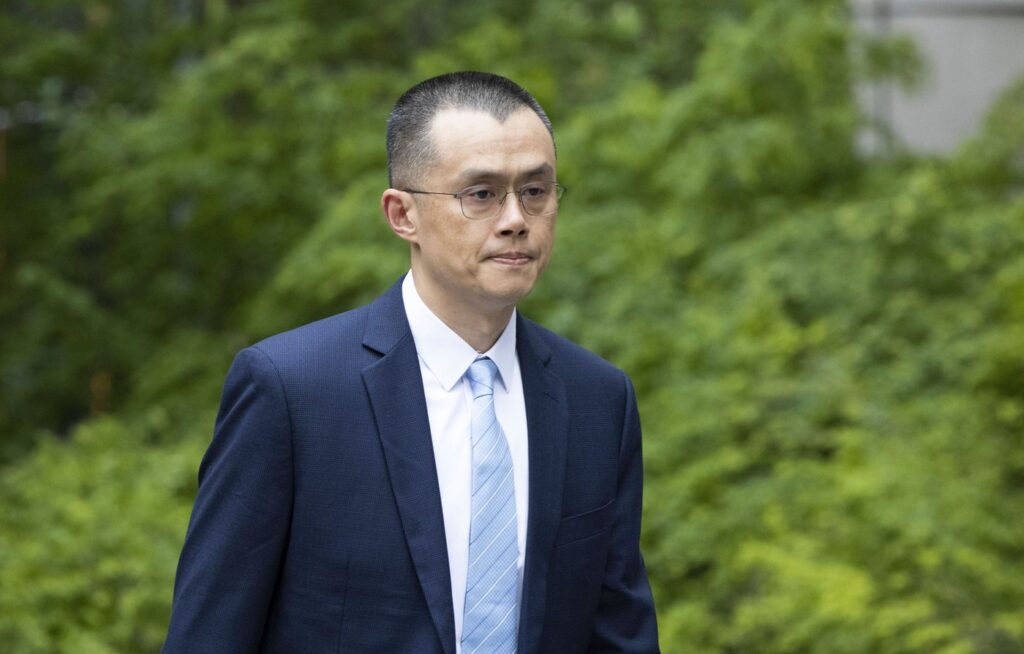
NEW YORK (AP) – Binance, the world’s largest cryptocurrency exchange, founded by billionaire Changpeng Zhao in 2017, has recently made headlines not just for its meteoric rise in the crypto market but also for facing serious allegations of allowing its platform to be used by criminals. However, the tables have turned, as Binance now finds itself victim to an alleged cyber heist, described as the largest in cryptocurrency history, with an estimated $6.3 billion stolen from its customers.
The scrutiny surrounding Binance over the years has been significant, with accusations including facilitating trades for drug traffickers, child abusers, and terrorists. Zhao himself faced legal challenges, culminating in a jail sentence due to violations of the Bank Secrecy Act. Charges against him included facilitating trades between U.S. customers and users in Iran, which violated sanctions, as well as failing to report suspicious transactions related to organizations like Hamas and Al-Qassam Brigades.
Originally established in China, Zhao relocated Binance several times due to regulatory challenges, first moving it to Japan and then exploring expansions to other jurisdictions such as the island of Jersey and Malta. Under Zhao's leadership, Binance grew rapidly, surpassing competitors like Coinbase and FTX in trade volume and successfully creating numerous partnerships and acquisitions along the way.
As cryptocurrencies gained traction in the mainstream financial landscape, Binance became embroiled in both scandals and legal scrutiny. The collapse of rival exchange FTX in 2022 prompted increased regulatory attention, primarily from the Biden administration, which was particularly focused on unregulated securities trading and anti-money laundering compliance.
Zhao’s conflicting relationship with U.S. authorities took a surprising turn when he briefly stepped down as CEO due to his legal issues. However, he later received a pardon from former President Donald Trump, who identified the previous administration's crackdown on the cryptocurrency industry as overly aggressive. Trump has been vocal about supporting cryptocurrency initiatives, and his pardon of Zhao was seen as a means to enhance his own standing with the crypto community.
Despite claiming no "quid pro quo," Binance has faced ongoing scrutiny. Zhao's legal challenges and the subsequent pardon illustrate a complex landscape where cryptocurrency regulation and enforcement remain hotly debated topics across various government administrations.
Meanwhile, the recent hacking incident, attributed to North Korean cybercriminals known as TraderTraitor, has raised alarms among security and financial experts. Reportedly seeking funds to further develop its nuclear program, North Korea has increasingly turned to cryptocurrency as a means of evading international sanctions. Blockchain intelligence firm TRM highlighted the sophistication of North Korean hackers, indicating their prominence in global cybercrime.
In response to the theft, Binance has begun efforts to recover funds for its users, collaborating with blockchain partners to freeze approximately $3 billion in stolen assets. Zhao emphasized on social media that user funds remain secure, attempting to reassure customers amid rising anxieties regarding the safety of their investments.
As the situation unfolds, Binance's ability to navigate regulatory challenges, recover stolen assets, and restore customer trust will play a crucial role in shaping its future amidst an evolving cryptocurrency landscape.