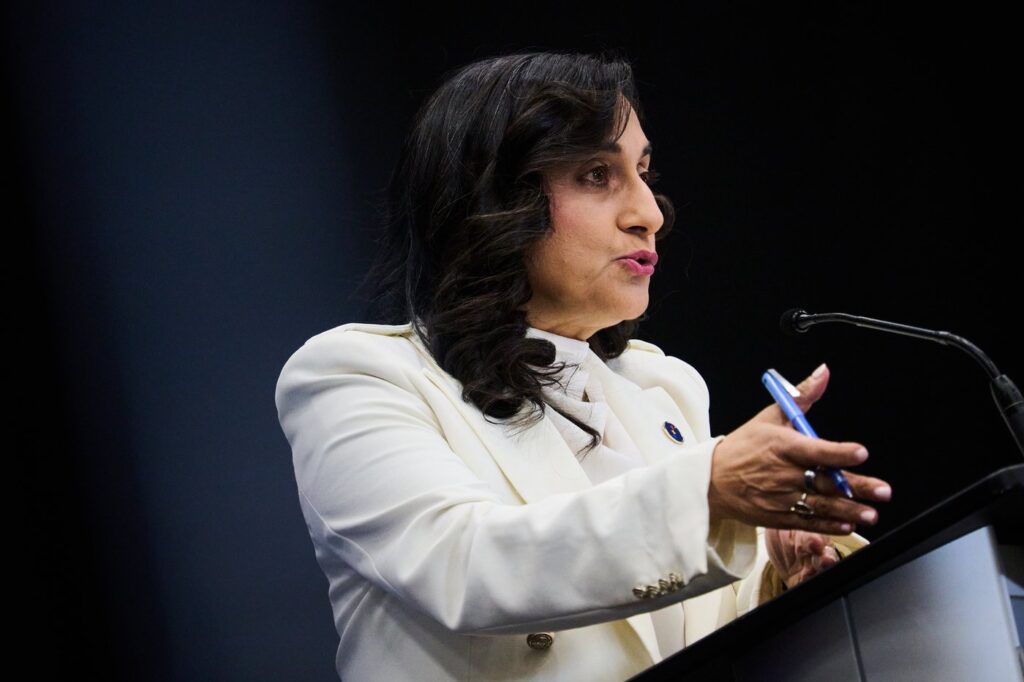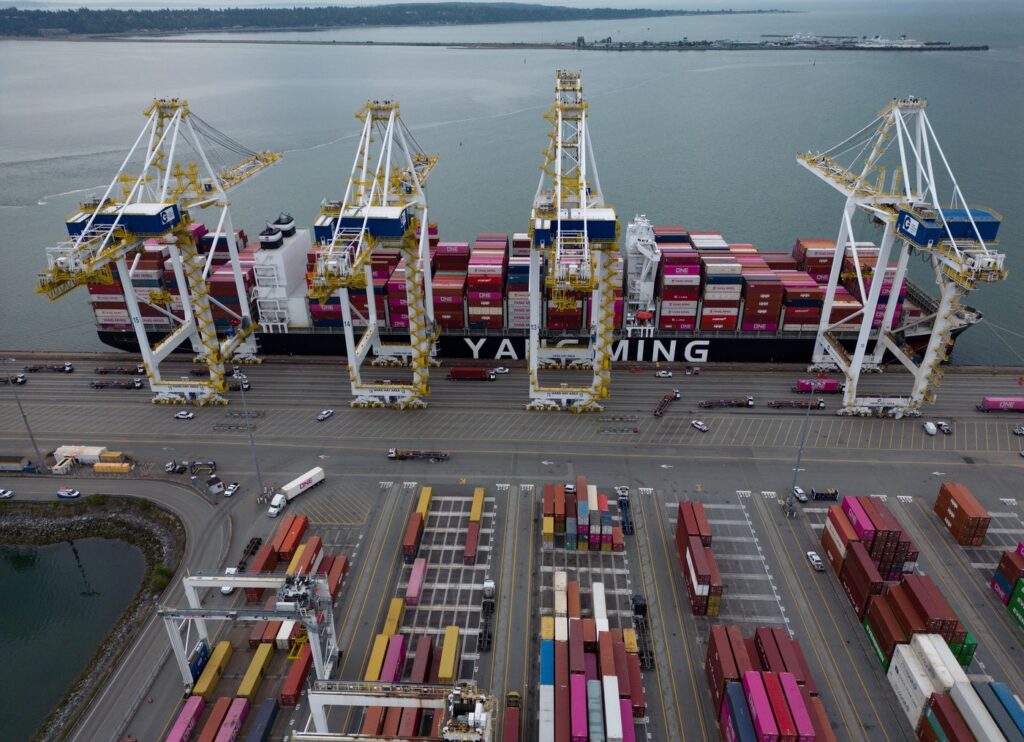
The planned expansion of Roberts Bank Terminal 2 at the Port of Vancouver, which aims to increase container capacity by 2.4 million units, has been designated as a project of national interest by the Canadian government. Transport Minister Steven MacKinnon announced this decision during a news conference in Delta, British Columbia, emphasizing the importance of this project in diversifying Canada's trade, particularly with the aim of doubling exports to markets outside the United States by 2035.
MacKinnon highlighted that the existing port is nearing its maximum capacity for container handling. He warned that without this expansion, the congestion at the port could escalate shipping costs by more than $800 million annually by 2035. He stated that these costs would ultimately fall on Canadian businesses and consumers, which they cannot afford to bear.
In light of the recent provincial election, in which the British Columbia Conservatives achieved a decisive victory, premier-designate Lorne Doerkson expressed that the port expansion is a proactive measure for the future rather than a reactive one. He noted the substantial benefits for British Columbia, asserting that the project would solidify the province's position as Canada’s primary trade gateway, attract investment, and bolster the economy's competitiveness on the global stage.
The total estimated capital cost of the Roberts Bank expansion project stands at $5.9 billion. The federal government mentioned that the project is on a "viable path" towards a final investment decision by mid-2024. The designation of the project as a national interest initiative is projected to accelerate the timeline for its commercial operation by up to four years, moving the expected start date to 2035.
The Vancouver Fraser Port Authority is responsible for this three-berth expansion project, which will be constructed adjacent to the current container facility. Ottawa anticipates that the expansion will support approximately 17,000 jobs across Canada’s supply chains, contribute an estimated $3 billion annually to the national GDP, and generate over $630 million in annual tax revenues.
However, concerns regarding environmental impacts have been raised by local Indigenous groups and environmental organizations. Tsawwassen First Nation Chief Laura Cassidy articulated that her community's stance is one of consent but with reservations. She called for continued dialogue regarding the potential effects on the Fraser River Estuary and the Salish Sea, underscoring the nation's demand for assurances that environmental protections will not be compromised as part of the expansion process.
Environmental organizations have expressed persistent worries about the project, especially regarding its proximity to the endangered southern resident killer whales' habitat. The Wilderness Committee labeled the project's designation as a path to potential extinction for these whales amid ongoing industrial activities in the area. The Raincoast Conservation Foundation also pointed out that the Port of Vancouver would have needed a permit under the Species At Risk Act concerning the whales, but the recent announcement could bypass that requirement.
In the same news conference, discussions also touched upon other infrastructure projects, specifically referencing the Massey Tunnel replacement, which runs under the Fraser River between Richmond and Delta. Doerkson's Conservatives had committed during the election campaign to replace this tunnel with a bridge, raising questions about federal funding for the ongoing project. In response, MacKinnon stated that the federal government is willing to support whatever crossing the provincial government decides on, emphasizing the importance of the investment regardless of the structure proposed.
The announcement regarding the Roberts Bank expansion and the government's broader infrastructure commitment demonstrates a critical turning point in Canada's approach to trade and environmental management, with an emphasis on balancing economic development with ecological responsibilities.