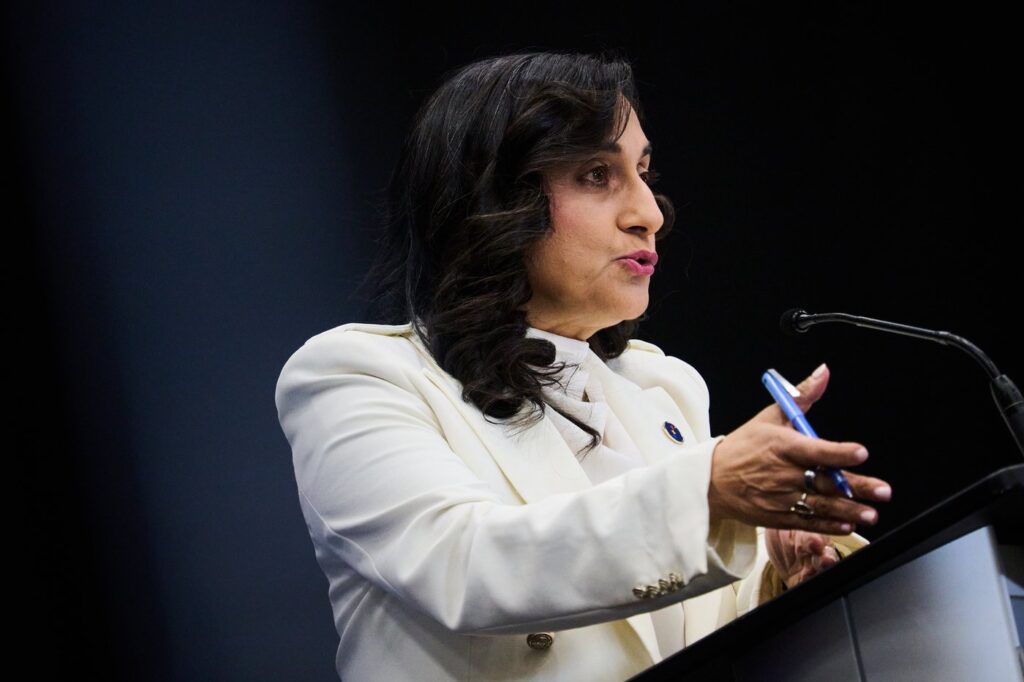
OTTAWA — Foreign Affairs Minister Anita Anand expressed her disapproval of Russia's participation in a G20 meeting hosted by the United States on Friday. Despite this, she took the opportunity to confront Russian Foreign Minister Sergey Lavrov directly during the gathering, where she highlighted Russia’s “horrific crimes” committed during its ongoing war against Ukraine. Anand noted that her remarks included the significant negative impact the conflict has had on global energy and food supply chains.
Anand attended the G20 meeting of foreign ministers held in Atlanta on a date that coincided with notable diplomatic tensions. The U.S. hosts had decided to forgo the traditional group photo, following objections from European diplomats who were not willing to be photographed alongside Lavrov. This decision reflects the ongoing strain in Western relations with Russia amid heightened geopolitical conflicts.
During her conversation with Lavrov, Anand claimed he responded with standard Kremlin messaging. He reiterated that Russia does not leverage energy resources for political leverage, instead accusing the European Union of “slavery and piracy” for seizing Russian vessels that have been utilized to export oil under misleading identities, often referred to as a “shadow fleet.”
Furthermore, Anand arrived at the meeting after the traditional group photo had already taken place, as she was engaged in prior discussions in Montreal with European Union officials. She made it clear that she had no desire to be photographed with Lavrov and took the opportunity to address serious issues, including the kidnapping of Ukrainian children by Russian forces and naval attacks targeting vessels in the Black Sea.
Lavrov subsequently stated at a news conference that Western nations were not committed to meaningful dialogue with Russia, sarcastically suggesting that their only concern was to have him included in a photo opportunity. Anand, however, emphasized that maritime security remains a pressing concern for nearly all G20 countries, particularly in light of Russian strikes on Ukrainian grain vessels that are critical for feeding developing nations.
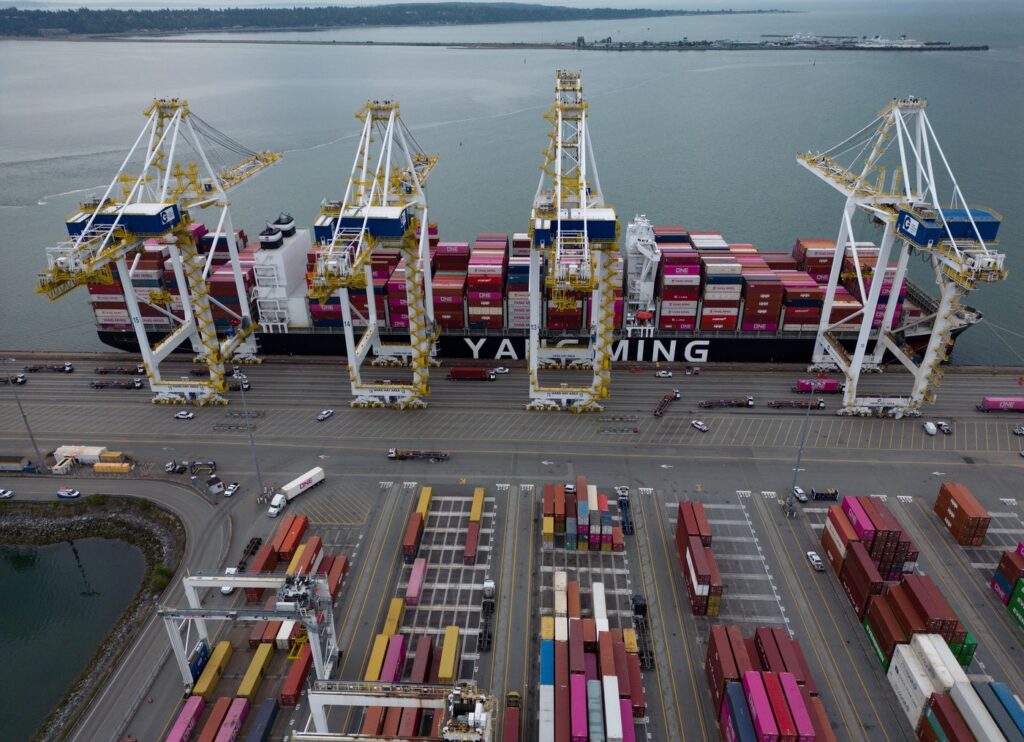
She acknowledged the necessity for safe shipping routes, particularly in the Black Sea and the Strait of Hormuz, areas vital for global trade. Anand pointed out that while there was consensus among G20 nations regarding the importance of freedom of navigation in these regions, Lavrov remained a notable exception in these discussions.
During the meeting, Anand encouraged member nations to look to Canada for fulfilling their energy requirements, reinforcing Canada's strategic position as a reliable energy supplier. Additionally, she openly opposed the U.S. stance of excluding South Africa from the G20 meetings, calling for the nation’s inclusion and highlighting Canada's support for South Africa's interests in maintaining an effective and diverse G20 capable of addressing pressing global economic challenges. The U.S. had previously disseminated unfounded claims about alleged genocide targeting white South Africans, further complicating diplomatic relations.
Anand concluded her participation in the G20 meeting fresh from a significant summit with the European Union held in Montreal, which dynamically addressed a range of global issues and showcased Canada’s renewed national security strategy. Looking ahead, she is set to attend the Commonwealth summit in Antigua and Barbuda, with Prime Minister Mark Carney expected to join her at the event.
Throughout her engagements, Anand underscored Canada’s commitment to strong democratic principles within international frameworks, particularly through the Commonwealth ministerial action group, which focuses on human rights issues. She described the recent whirlwind of diplomatic activity as a series of substantive achievements for Canada on the global stage.