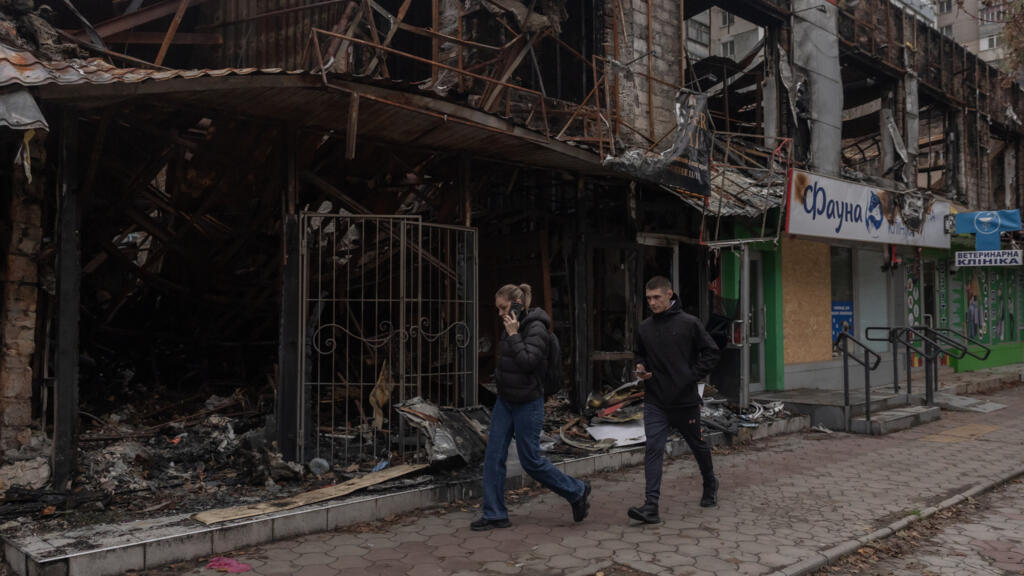
Cyberattacks Amid Expiring Ceasefire: Russia and Ukraine Exchange Accusations
As the local ceasefire in the eastern Kherson region expired on Sunday, tensions between Russia and Ukraine escalated with both nations accusing each other of cyberattacks targeting their emergency alert applications. This incident reflects not only the rising stakes on the battlefield but also the growing role of cyber warfare in modern conflicts. The accusations come at a critical juncture, just as both sides were warning of the potential for renewed hostilities in the ongoing war.
The cyberattacks occurred in the backdrop of a fragile ceasefire that had briefly halted hostilities in a region that has been a focal point of the conflict. As the ceasefire came to an end, analysts predicted that the expiration might lead to a resumption of fighting. Both nations have been emphasizing their military readiness, with officials from Ukraine signaling that they might consider adjusting their strategy in exchange for military support from the United States. Specifically, Kyiv hinted at being open to halting strikes on Russian oil refineries if provided with U.S.-made Patriot missile systems.
This latest round of accusations adds a new layer to an already complex conflict that has seen a high degree of military and psychological operations conducted by both sides. Cyberattacks have increasingly become a standard part of modern warfare, and both Russia and Ukraine have demonstrated their capabilities in this arena. The implications of hacking emergency alert systems can be devastating, as such breaches could undermine public trust and lead to confusion during critical situations.
Ukrainian officials accused Russian hackers of targeting their emergency alert application, which is an essential tool for communicating vital information to citizens in times of crisis. Conversely, Russia has claimed that Ukraine was responsible for a similar attack on its own emergency alert system. This reciprocal blaming not only escalates the rhetoric surrounding the conflict but also serves to highlight the ongoing cyber warfare that accompanies conventional military engagements.
As fighting resumes, the international community is closely monitoring the situation, particularly with the prospect of U.S. military aid for Ukraine. The discussion around U.S. Patriot missile systems has gained momentum, with Ukrainian leaders advocating for enhanced defensive capabilities to deter Russian aggression. The possibility of a temporary cessation of attacks on Russian oil infrastructure in exchange for such advanced weaponry underscores the strategic calculations being made by Ukraine as it seeks to bolster its defenses against further attacks.
The eastern Kherson region remains strategically significant, and both Russia and Ukraine are aware that control over this area may influence the broader course of the conflict. With the end of the ceasefire and heightened tensions, military operations are likely to accelerate as both nations prepare for potential offensives. Cyber warfare will likely continue to play a crucial role in these operations, affecting not only military objectives but also civilian life and the overall narrative of the conflict.
In summary, the exchange of accusations regarding cyberattacks on emergency alert systems between Russia and Ukraine illustrates the multifaceted nature of the ongoing conflict. With the ceasefire expired, both sides face the prospect of renewed armed engagements, and the geopolitical implications of U.S. military support for Ukraine continue to be a critical issue. As such, the situation in the Kherson region remains precarious and fluid, with both military and cyber dimensions evolving in tandem.