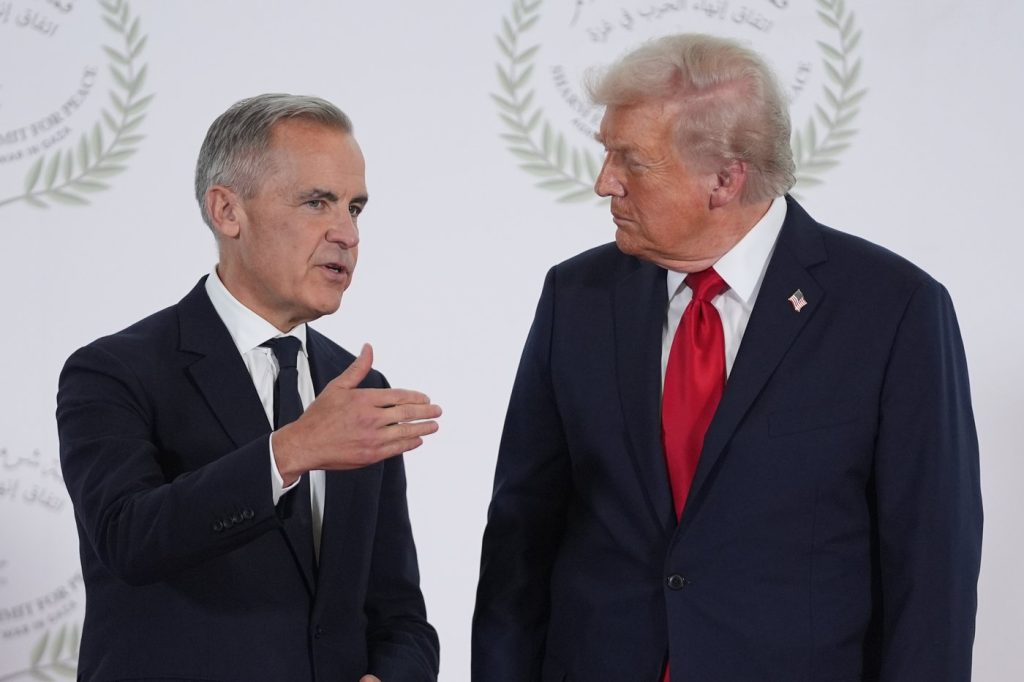
Prime Minister Mark Carney of Canada recently expressed that he had a “good conversation” with U.S. President Donald Trump regarding the future of trade relations between Canada and the United States. In a social media post on November 1, 2026, Carney stated that their discussion built upon previous constructive conversations that aimed to outline a mutually beneficial trade agreement. Such a deal is expected to create jobs for workers, enhance affordability for families, and take into consideration “Canada’s languages, culture and sovereignty.”
Carney further mentioned that both teams would continue working closely in the upcoming weeks to reach an agreement. The Prime Minister’s engagement with Trump on this matter comes in light of the tense diplomatic relationship following Carney's government’s withdrawal from formal trade talks in August. The Canadian administration accused the U.S. of presenting unreasonable last-minute demands during those discussions.
In retaliation for the stalled negotiations, the U.S. imposed tariffs on billions of dollars worth of Canadian goods. Canada responded by enacting retaliatory tariffs on American products. Recently, Trump announced that he would lift some of the 50% tariffs imposed on Canada by the end of October, albeit alongside the introduction of new tariffs on a range of products, which notably included Canadian refuse and sewage.
Despite the steps towards dialogue, Carney described the progress on a new trade deal as limited. He reiterated that Ottawa remains open to making a deal, but it will only be acceptable if it aligns with the interests of Canadian citizens. The current political backdrop includes the upcoming midterm elections in the United States, where the ongoing Canada-U.S. trade dispute has surfaced as a pivotal issue for certain candidates. Speculations suggest that reaching a trade agreement could provide a boost to Republican prospects as they seek to maintain control of Congress and the Senate.
As a significant aspect of the revised trade conversations, Carney's team and that of Trump will likely focus on the key issues that have previously hindered negotiations. These discussions will be crucial in establishing a framework that not only addresses the economic aspects of trade but also respects the cultural and sovereign values of Canada. Moving forward, the outcome of these negotiations could have lasting impacts on the economic relationship between the two nations, shaping trade dynamics for years to come.