The Trump administration has recently intensified its economic campaign against Cuba, paving the way for U.S. sanctions targeting several vital sectors of the island's economy. This initiative also extends to Chinese-based suppliers linked to Havana's military. The move is part of a broader strategy by President Donald Trump and his administration to incite political change in Cuba, which is currently experiencing a severe economic and energy crisis that heavily impacts its population.
The newly implemented penalties see the State Department expanding its reach by focusing on additional sectors of Cuba's economy, such as electronics, manufacturing, marine, and technology. Secretary of State Marco Rubio emphasized the situation, stating that “Cuba’s ruling elite is hoarding the island’s energy, shipping, and technology resources for its own enrichment, leaving the Cuban people to contend with blackouts, shortages, and a stagnant economy.”
In total, eight entities and two individuals have been sanctioned, which include notable companies like China National Electronic Import and Export Company and Beijing H&C Technologies. The U.S. government accuses these China-based firms of procuring weapons and supplying surveillance and security equipment to the Cuban government. This escalation of economic pressure reflects Washington’s intensified campaign against fiscal practices in Havana, which has garnered worldwide attention.
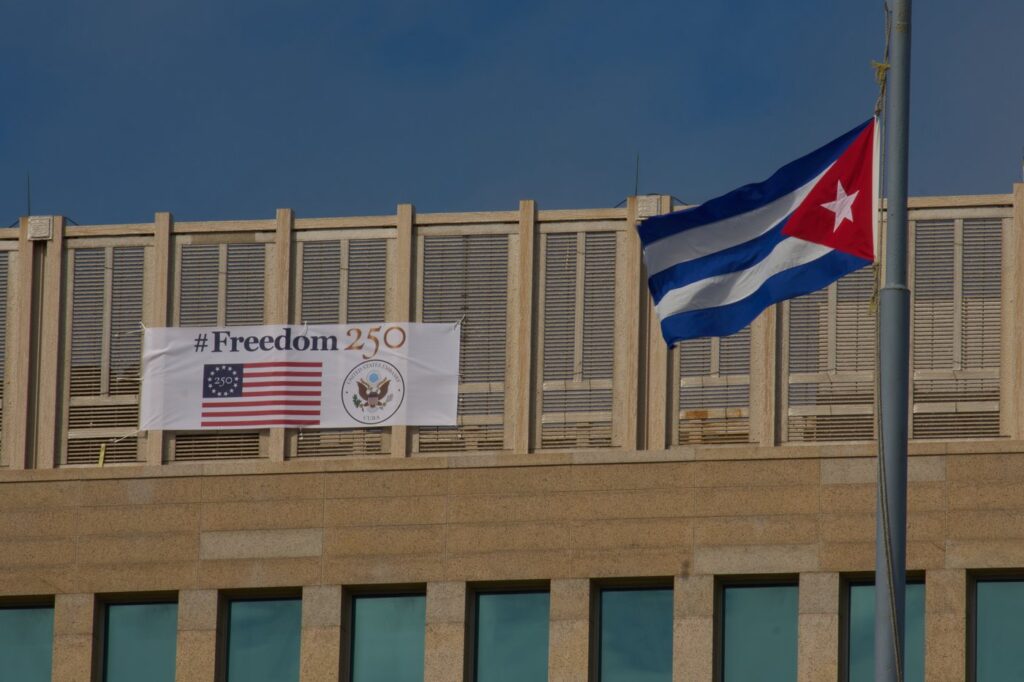
The diplomatic exchange between the U.S. and Cuba has become increasingly hostile in recent months, with representatives from both nations engaging in public spats at the United Nations and across social media platforms. Notably, last week marked the 34th consecutive year that the U.N. General Assembly condemned the U.S. economic embargo on Cuba. However, this time, the U.S. campaign aimed at influencing the voting led to several countries either voting against the resolution or opting to abstain, a first in such instances.
Increasingly, President Trump’s administration has expressed a willingness to adopt more punitive measures. For example, in late January, Trump threatened to impose tariffs on any country that might sell or provide oil to Cuba. Such threats have exacerbated the energy crisis on the island, leading to more frequent and prolonged blackouts. Current reports indicate that daily outages in Cuba have surpassed 24 hours, largely due to the deteriorating electrical grid and dwindling fuel reserves.
This ongoing situation underscores the significant challenges Cuba faces as it navigates through an array of economic sanctions and its own internal issues. The consequences of U.S. policies have left the Cuban populace in distress, highlighting the complex interplay of international politics and humanitarian issues at stake.