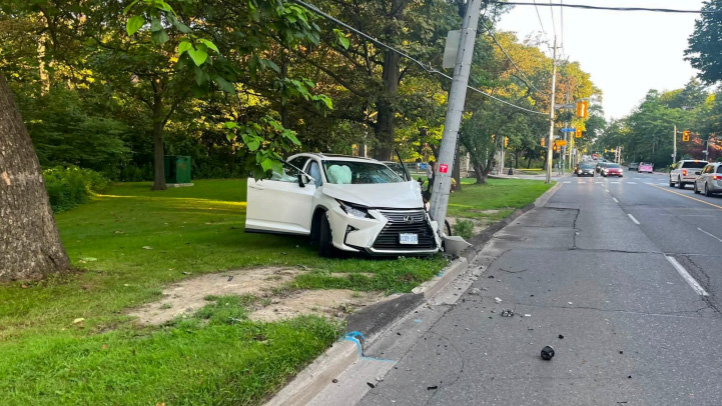
One year has passed since the Ford government's controversial decision to ban speed cameras in Ontario, and Toronto Mayor Olivia Chow reports that the streets have become "significantly" more dangerous. Automated Speed Enforcement cameras were introduced in the city in 2020, aimed at reducing speeding and enhancing road safety. Findings from a study conducted in 2025 indicated that the cameras had a measurable impact on driving behavior, as the city recorded its lowest number of fatalities and serious injuries since the inception of the Vision Zero program by the end of that year.
Despite the reported success of the Automated Speed Enforcement program, Premier Doug Ford dismissed the data, labeling it "a bunch of hogwash." He asserted that the initiative functioned as a mere cash grab, leading to the ban on speed cameras in October 2025.
In June 2026, Mayor Chow advocated for the reinstatement of speed cameras, particularly in school and community safety zones, after a report revealed a substantial increase in speeding incidents in these areas following the province's ban. "Look at the data. Four hundred percent increase in speeds," Chow stated during an interview with CityNews. She highlighted that Vision Zero reported an uptick in fatalities, with 40 lives lost that year.
Since the removal of speed cameras, Toronto’s Vision Zero teams have attempted to deploy alternative measures to combat speeding. These efforts included the construction of over 20 protected crossings and the upgrade of 75 traffic lights with pedestrian head-start signals this year. Nevertheless, Chow maintains that speed cameras represented the most effective tool for regulating traffic, notably on major roads. "How about we start bringing them back in on big arterial roads? We literally cannot put speed bumps on those," she pointed out. Chow emphasized the importance of quick responses from emergency services such as fire and medical personnel, which could be hindered by speed bumps on critical thoroughfares.
Additionally, Chow indicated that the province has yet to fulfill its promise of providing financial support for the hiring of additional crossing guards, which had previously been funded through the revenue generated by speed cameras. Parkside Drive, noted for having Toronto's most notorious speed camera—issuing over 70,000 tickets and collecting $7.5 million in fines—has seen a concerning trend since the camera’s decommissioning. Advocates report that the incidence of drivers exceeding the posted speed limit by 20 km/h has surged by 500 percent.
Faraz Gholizadeh, co-chair of Safe Parkside, expressed alarm over the situation on Parkside Drive, a road with a notorious history of speeding incidents leading to severe injuries and fatalities. "You have a sidewalk that doesn’t even meet the city’s minimum width, so when you’re walking on it with your family, with your kids, you’re holding your breath as cars zoom by left and right. It’s really unacceptable that these conditions are persisting," he remarked.
Public sentiment appears to be in favor of reinstating speed cameras; a recent poll indicated that two-thirds of Torontonians and six in ten Greater Toronto Area (GTA) residents support the implementation of more photo radar cameras on the roads. This broad consensus reflects the urgency felt by the community in addressing the rising dangers posed by speeding and the apparent lack of effective measures following the ban on speed cameras.