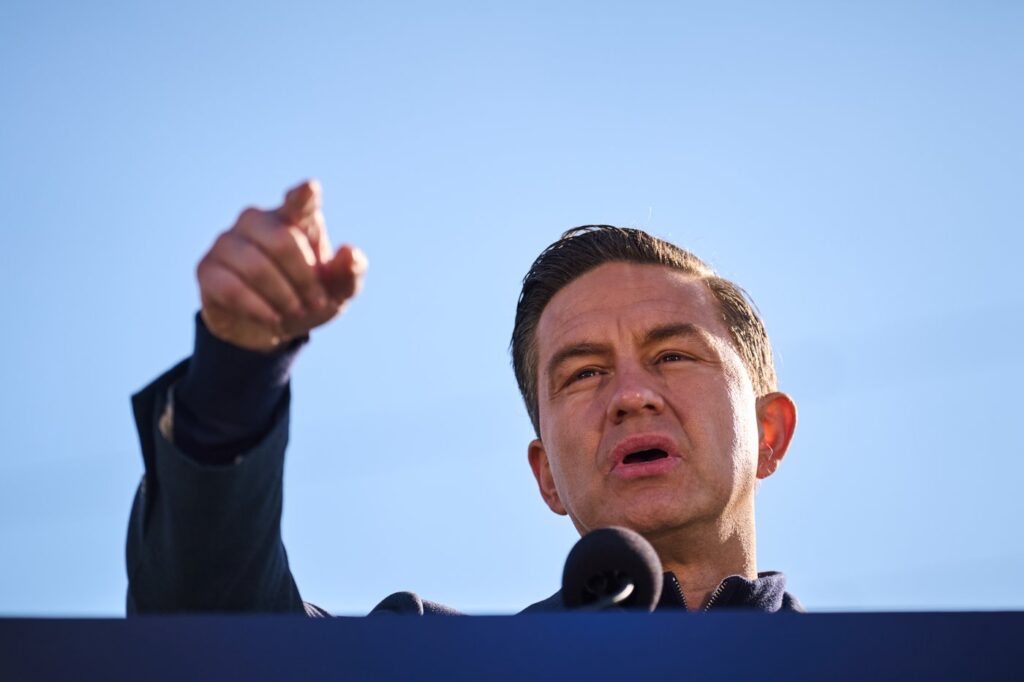
OTTAWA – Conservative Leader Pierre Poilievre is facing a significant reshuffle within his team, as five staff members, including key figures such as his deputy chief of staff, prepare to depart. This news comes at a critical moment for the party, just weeks before voters are set to participate in six federal byelections across Quebec, Ontario, and Saskatchewan.
Aaron Wudrick, Poilievre's deputy chief of staff, confirmed that he will be leaving his position on November 27 to pursue an opportunity in the private sector. His announcement came last week and highlights a broader trend of movement within the ranks of Poilievre's inner circle.
In addition to Wudrick, two senior communications aides are also leaving. Media relations director Sam Lilly has announced his decision to move to British Columbia, where he will join the newly established provincial Conservative government. This government is set to be sworn in later this week, further amplifying the dynamics at play in the political landscape.
Furthermore, communications director Micah Green is also confirmed to be making a transition to the B.C. government. Alongside them, executive assistant Hayley Quipp and senior policy adviser Andrew Evans will also be departing from their roles in Poilievre's office. These exits indicate a considerable turnover within Poilievre's staff, particularly as they align with the recent retirement of longtime chief of staff Ian Todd and the departure of former communications director Katy Merrifield, who returned to British Columbia.
The timing of these staff changes raises questions about the Conservative party’s strategy and readiness as they approach critical byelections. Party dynamics are often influenced heavily by the people within a leader's inner circle, and such a shakeup could impact Poilievre's ability to mobilize effectively during this key electoral period.
With the departure of these experienced staff members, there will undoubtedly be a need for new appointments and adjustments to the Conservative campaign machinery as it heads into the byelections. The party will be looking to maintain its momentum despite these personnel changes and ensure that they remain competitive in various regions.
This series of resignations signals a potent shift in the Conservative leadership team under Poilievre, one that will need careful navigation as it prepares for upcoming electoral challenges. As the political scene heats up, all eyes will be on how effectively Poilievre can adapt to this sudden influx of changes within his staff and the potential impact it may have on his party's performance in the months ahead.