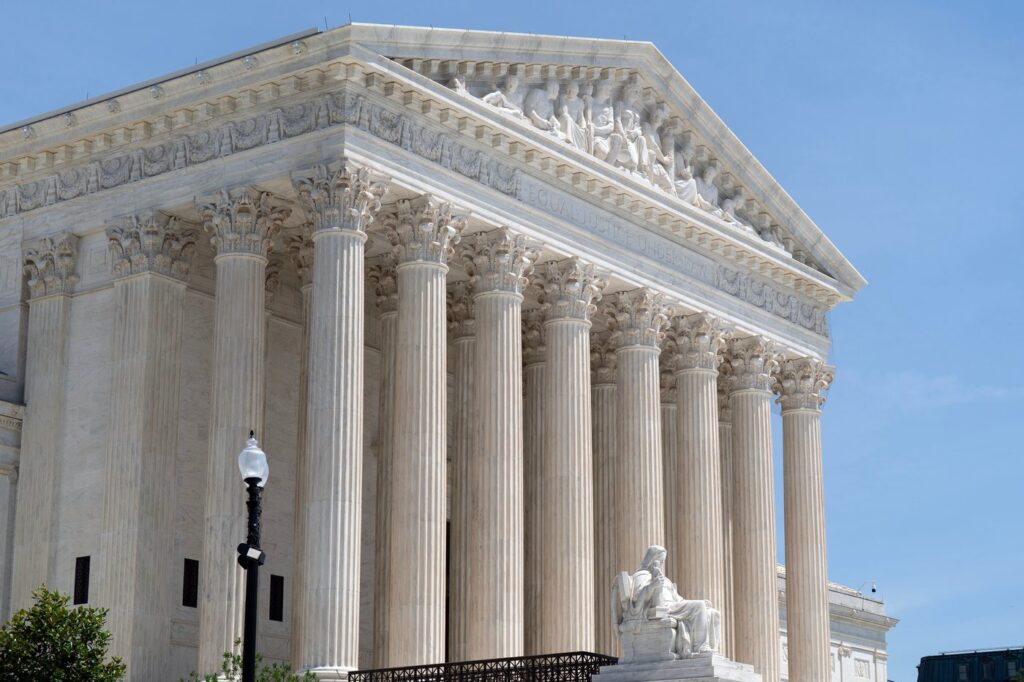
On Monday, the Supreme Court made significant decisions regarding the Trump administration’s funding cuts related to diversity, equity, and inclusion (DEI) initiatives in academic research. These rulings reaffirmed lower court decisions that had previously determined the administration likely violated the First Amendment rights when it terminated millions of dollars in grants to researchers at the University of California.
The cuts were initiated following an executive order issued in January 2025, which directed the federal government to end programs aligned with DEI principles. The Trump administration defended its actions by arguing that it was not obligated to continue funding research that no longer aligned with its priorities. Although the lawsuit addressed only a portion of the funding cuts implemented by the administration, it is set to continue to unfold in lower courts.
No justices publicly dissented from the Supreme Court's brief order that declined to hear the case. This decision effectively leaves the lower court's ruling intact, leaving researchers and institutions uncertain about the future of funding for projects linked to DEI initiatives.
In a separate case on the same day, the Supreme Court also opted not to hear a challenge to a California requirement mandating that continuing medical education courses include discussions on unconscious bias and its potential effects on healthcare outcomes. This requirement has sparked significant debate about the intersection of education, healthcare, and bias, particularly concerning regulation of private speech by the state.
In this particular case, three conservative justices expressed an interest in the issue at hand. Justices Clarence Thomas and Samuel Alito dissented from the court's decision, highlighting concerns that the requirement could raise important questions regarding state regulation of private speech. Justice Neil Gorsuch also indicated that he would have been inclined to consider the case further.
The outcomes of these cases reflect ongoing tensions in the United States regarding issues of funding, free speech, and the role of diversity and bias training in both academic and medical settings. As both cases continue to draw scrutiny, they embody the broader national discourse on the implications of DEI initiatives and the regulatory powers of state governments in educational contexts.