Overnight and into Monday morning, Russian air defenses successfully intercepted approximately 600 Ukrainian drones targeting the Moscow region, according to statements made by Moscow Mayor Sergey Sobyanin. This incident marks a significant escalation in the ongoing conflict between Ukraine and Russia, highlighting the increasing use of drone warfare as both sides adapt to the evolving battlefield dynamics.
The surge in drone activity demonstrates Ukraine's commitment to employing innovative tactics to challenge Russian military capabilities. The interception of such a large number of drones is a testament to the effectiveness of Russia's aerial defense systems; however, it also raises questions about the potential vulnerabilities that remain within their airspace. The incident underscores the persistent threat that drone strikes pose to urban areas and key infrastructure located within range of both Ukrainian and Russian military operations.
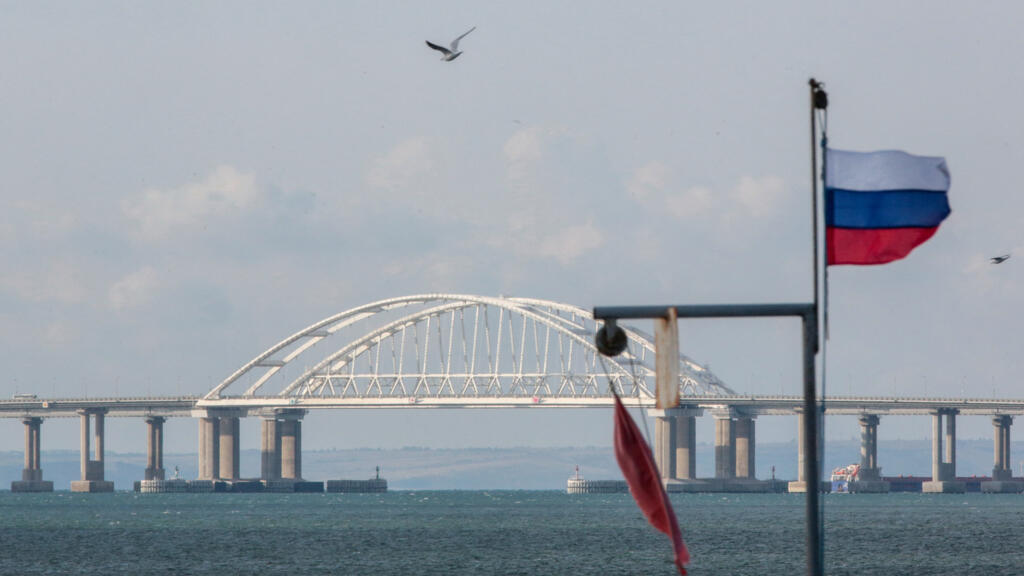
In a related development, reports have surfaced regarding Ukraine's strikes on the bridge linking Russia and Crimea across the Kerch Strait. This strategic bridge serves as a vital supply route for Russian forces operating in the Crimean Peninsula and is considered a symbol of Russian control in the region. The Crimea's governor, who is backed by Russia, confirmed the attacks, indicating that Kyiv continues to target critical infrastructure to undermine Russian logistical operations.
The Kerch Bridge has been a focal point in the conflict, and attacks on it signal Ukraine's intent to disrupt supply lines and operational capacities of Russian troops. By striking such an important target, Ukraine aims to assert its resistance and capability to strike deep into territories controlled by Russia. The ongoing conflict continues to lead to widespread instability in the region, prompting both sides to reinforce their military postures in anticipation of further confrontations.
As the situation develops, it is clear that both Ukraine and Russia are leveraging advanced technologies in warfare, with drones becoming increasingly pivotal in their military strategies. The interception of drones by Russia and the precision strikes aimed at critical infrastructure reflect the shifting nature of modern conflict, where airpower and technological advancements play crucial roles in determining the outcome of engagements.
Continuous updates and developments are expected as both nations respond to each other's military actions. This dynamic continues to hold global interest, as international observers watch closely for any escalation that could further exacerbate tensions in the already volatile region. Analysts are keeping tabs on the effectiveness of military tactics and technologies being employed by both sides, as the psychological and physical impacts of drone warfare shape the trajectory of this conflict.