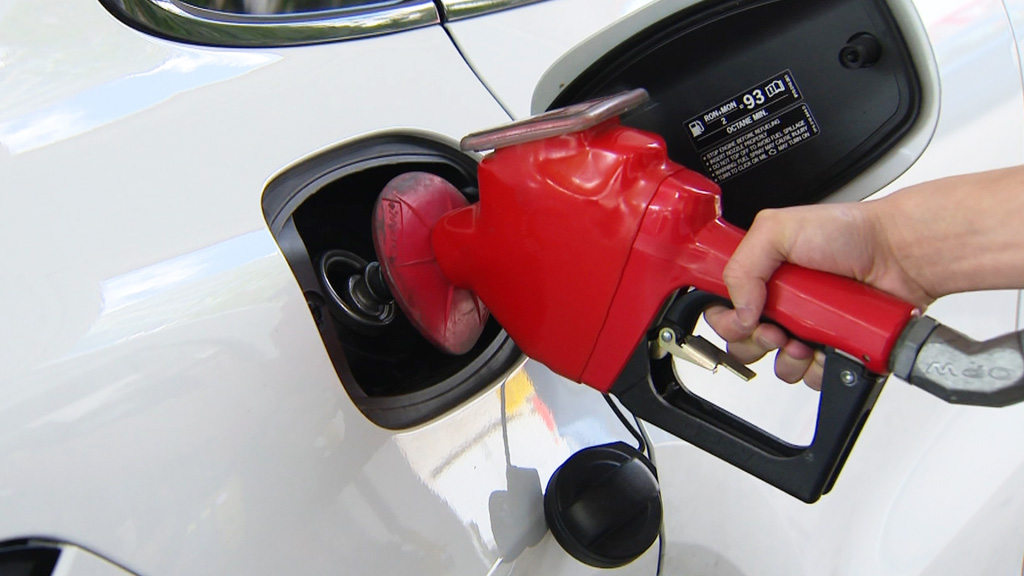
The price of gasoline in the Greater Toronto Area (GTA) is anticipated to reach an eight-month low on Sunday. According to En-Pro, a fuel price analysis firm, the price is expected to decrease by 5 cents, bringing the average cost to 153.9 cents per liter at most stations throughout Toronto and the surrounding GTA.
This forthcoming decline marks a significant milestone, as it is the lowest fuel price observed since March. The current trend reflects a broader decrease in gasoline costs, with prices having dropped by 15 cents since the beginning of the month and 23 cents over the past 30 days. Such reductions can significantly impact consumers, especially as the summer driving season approaches, leading to increased demand for gasoline.
The recent drop in gasoline prices occurs despite ongoing geopolitical tensions, particularly in the Strait of Hormuz, where Iran continues to attack oil tankers and disrupt shipping operations. These escalations have typically resulted in heightened global energy prices due to the volatility introduced into the oil market. Market analysts are closely monitoring these developments, as they may influence future pricing patterns.
Brent crude oil, which is the international benchmark for oil prices, initially saw a sharp increase during early trading on Friday, followed by a stabilization around $95.84 per barrel. In contrast, at the end of February, prior to the commencement of the conflict involving Iran, Brent crude was trading near $72 per barrel. This stark difference highlights the drastic influence of geopolitical events on oil prices.
Overall, while consumers in the GTA might celebrate the drop in gasoline prices, the underlying factors leading to such changes offer a complex picture. The interplay between geopolitical tensions, regional supply disruptions, and consumer demand is crucial in understanding the oil market dynamics. The continued monitoring of these elements will be essential not only for predicting future price movements but also for assessing the broader implications on the economy and energy consumption trends.