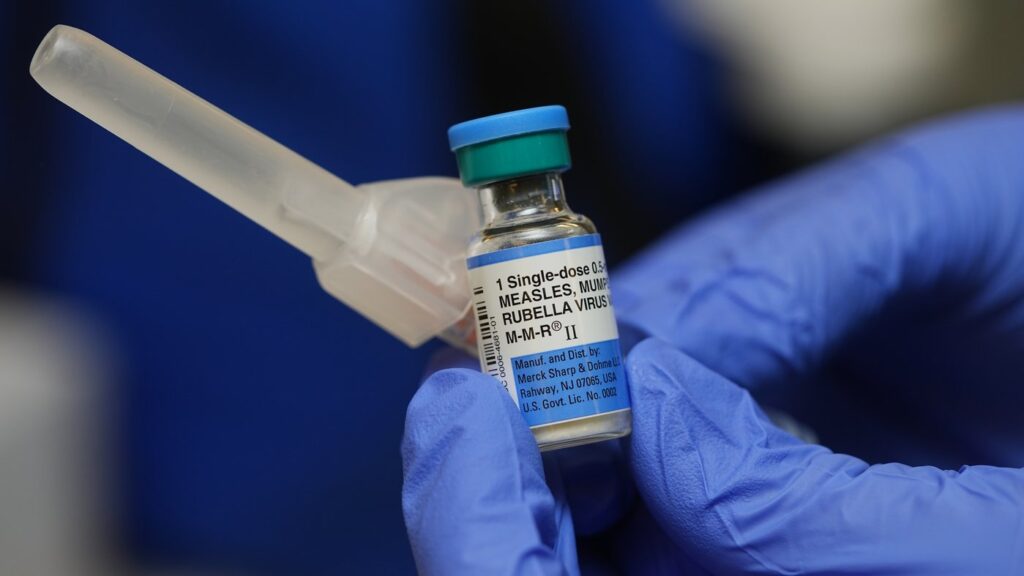
WASHINGTON (AP) — The United States has seen its worst year for measles in decades, prompting international health experts to declare that the country has lost its status as one that has eliminated the continuous spread of the disease. With confirmed cases surpassing 5,000 in 2026, this marks the highest number of measles cases since 1991, with Pennsylvania alone reporting over 1,500 cases.
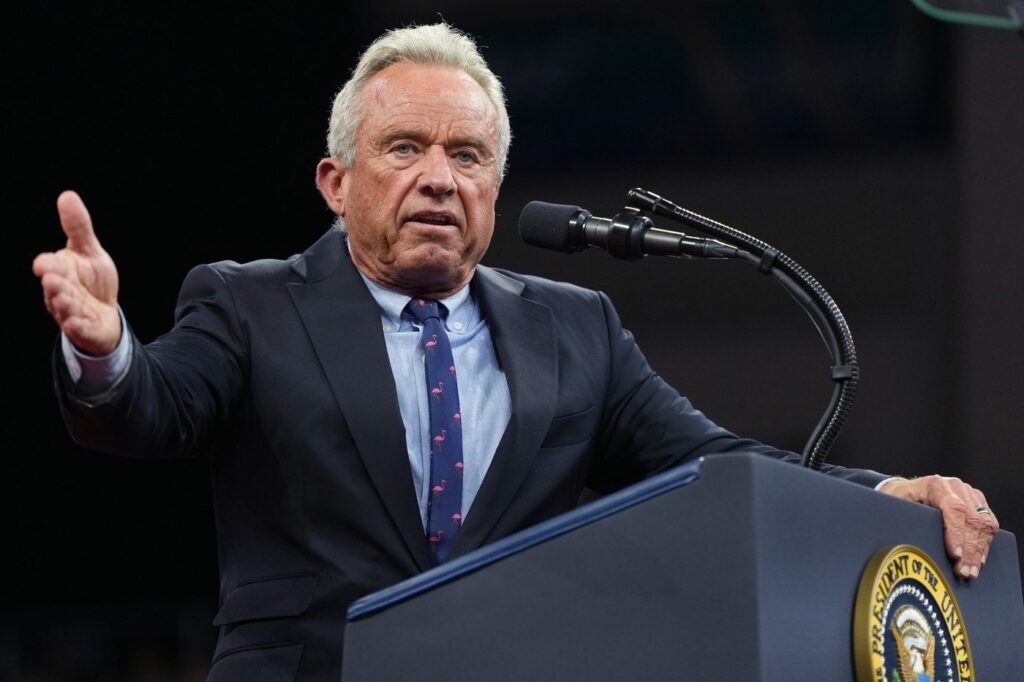
The Pan American Health Organization's (PAHO) decision highlights a significant public health setback for the U.S., occurring amid shifts in federal vaccine policy under the Trump administration. Experts note that while the issues surrounding vaccination rates were not initiated by the Trump administration, its policies and messaging may have worsened the situation. Health Secretary Robert F. Kennedy Jr., known for his anti-vaccine stance before entering politics, stated that the administration will work towards stopping measles outbreaks and regaining the lost elimination status, suggesting that COVID-era disruptions contributed to a gap in vaccination protections.
National data from the Centers for Disease Control and Prevention (CDC) reveals that only 92.4% of kindergartners received their required MMR (measles, mumps, and rubella) shots during the 2025-26 school year, down from 92.5% the previous year and significantly lower than the 95.2% recorded in 2019-20. This coverage is below the approximately 95% needed to prevent outbreaks, with some communities reporting even lower rates.
Kennedy's mixed messaging around vaccines has raised concerns. Although he occasionally endorsed the MMR vaccine as effective, he has also expressed safety concerns. At a summer event, Trump contributed to these doubts by signing an executive order that suggested splitting the MMR vaccine, claiming the combined shot was “quite lethal.” These statements contradict established medical evidence confirming the safety and effectiveness of the MMR vaccine.
Josh Michaud of KFF noted that past administrations have aggressively promoted vaccination in response to outbreaks, a practice he argues is lacking in the current administration. During the recent measles outbreak, Kennedy's promotion of vitamin A as a treatment also raised alarms among medical experts concerned that it underscored an emphasis on alternatives rather than vaccinations.
Kennedy has continually questioned health officials regarding measles-related deaths, including two reported in Pennsylvania. He suggested that these deaths might have been fabricated, prompting backlash from public health officials who argue that such statements detract attention from the growing public health crisis. Medical experts stress that political disputes over these tragic outcomes have obscured the severity of the threat posed by measles.
Under Kennedy's leadership as health secretary, an overhaul of vaccine policy has been initiated, including the dismissal of all members of a crucial vaccine advisory committee and the hiring of critics as replacements. Changes to the childhood immunization schedule were also made, although a judge temporarily halted some of these actions. Critics assert that such policy revisions and the questioning of vaccine safety have fueled skepticism about vaccinations.
Surveys indicate a decline in public support for the MMR vaccine. An August 2025 Annenberg survey found that only 82% of respondents would recommend the MMR vaccine for eligible children, a drop from 90% the previous November. Kennedy defended these changes, claiming they would restore trust in public health agencies, though many medical professionals argue that misinformation undermines confidence in vaccinations, leaving the population more vulnerable to preventable diseases.
In addressing the loss of measles elimination status, PAHO officials expect the U.S., alongside Bolivia and Mexico, to submit plans detailing strategies to stop transmission and regain elimination status. However, CDC Director Erica Schwartz emphasized that losing the designation will not alter the federal government’s approach to handling outbreaks, reiterating that vaccination remains the key protective factor.
Michaud described the designation change as a marker of how public health efforts have regressed, particularly in measles prevention. He warns that this shift reflects an increased vulnerability of the U.S. to infectious diseases, highlighting the importance of public health communication and vaccine advocacy in mitigating future outbreaks.