The U.S. has officially lost its measles-free status, as declared by international health officials, marking a significant public health setback. The rise of the highly contagious virus is attributed largely to unvaccinated populations, with the current number of cases reported at the highest level in over 30 years. Mexico and Bolivia have also lost their measles-elimination status due to recent outbreaks.
The Pan American Health Organization (PAHO) notes that while the loss of measles elimination is mainly symbolic, it underscores a troubling trend regarding the resurgence of vaccine-preventable diseases. Dr. Jarbas Barbosa, the director of PAHO, emphasized the need for continuous effort to maintain immunity and reach every community, stating, "Measles elimination is not a trophy that is won once and placed on a shelf." He highlighted the responsibility of countries like the U.S., Mexico, and Bolivia to submit plans in the coming weeks to prevent transmission of the virus and regain their elimination status.
Since 2024, measles has been on the rise throughout the Americas, with outbreaks primarily initiated in close-knit communities with low vaccination rates. In 2022, Canada also lost its measles-free designation for the first time since 1998. Public health officials define the elimination of measles as the absence of local virus transmission for at least 12 months. The recent PAHO announcement reflects declining public health preparedness, as vaccination rates have dropped globally, raising concerns that other diseases could soon reemerge.
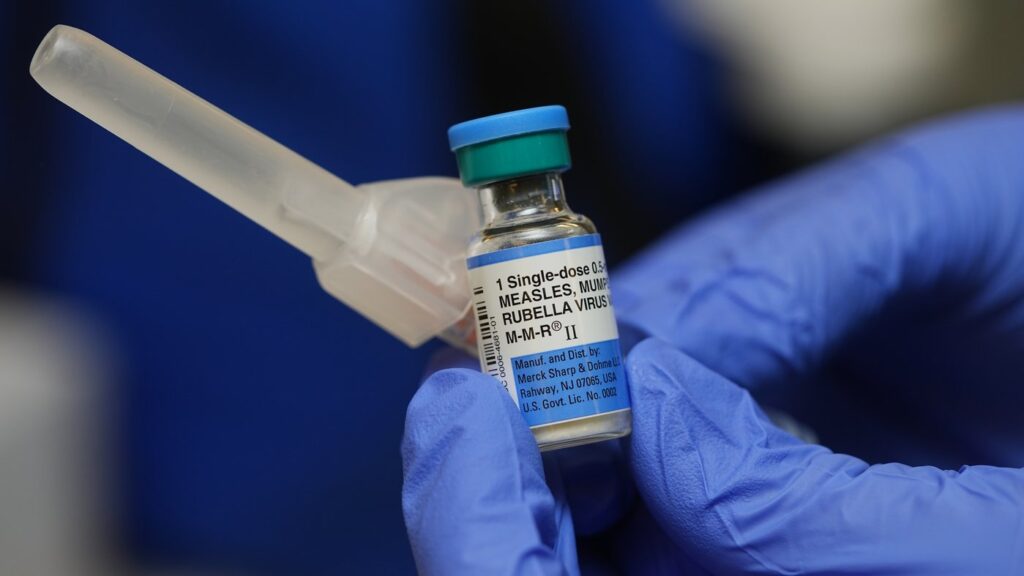
To prevent outbreaks, experts suggest maintaining a community vaccination rate of 95%. However, misinformation about vaccines has led to decreasing vaccination rates, allowing the virus to spread. In the U.S., nearly all states have reported confirmed measles cases in 2023, with the last two years marking the worst period for measles in over a generation. This year alone, the U.S. has seen over 7,000 cases and 13 reported deaths, with a significant portion of those affected either unvaccinated or lacking vaccination records.
Measles typically presents with high fever followed by a rash, and while most individuals recover, it remains one of the leading causes of death among young children. Serious complications, including blindness and brain swelling, notably affect young children and adults over 30. This year, at least ten measles-associated deaths have been reported in the U.S., making it the deadliest year for the virus in over three decades, with a concerning number of fatalities among children.
Major outbreaks have occurred in Texas, Utah, South Carolina, and Pennsylvania, with more than 760 individuals infected in Texas alone and subsequent reports of deaths in Texas and New Mexico. The swift rise in cases is attributed to factors such as low vaccination rates and community hesitancy driven by influential figures in the anti-vaccine movement. Critics have condemned the U.S. response as inadequate, highlighting the need for stronger government action and public messaging to encourage vaccinations.
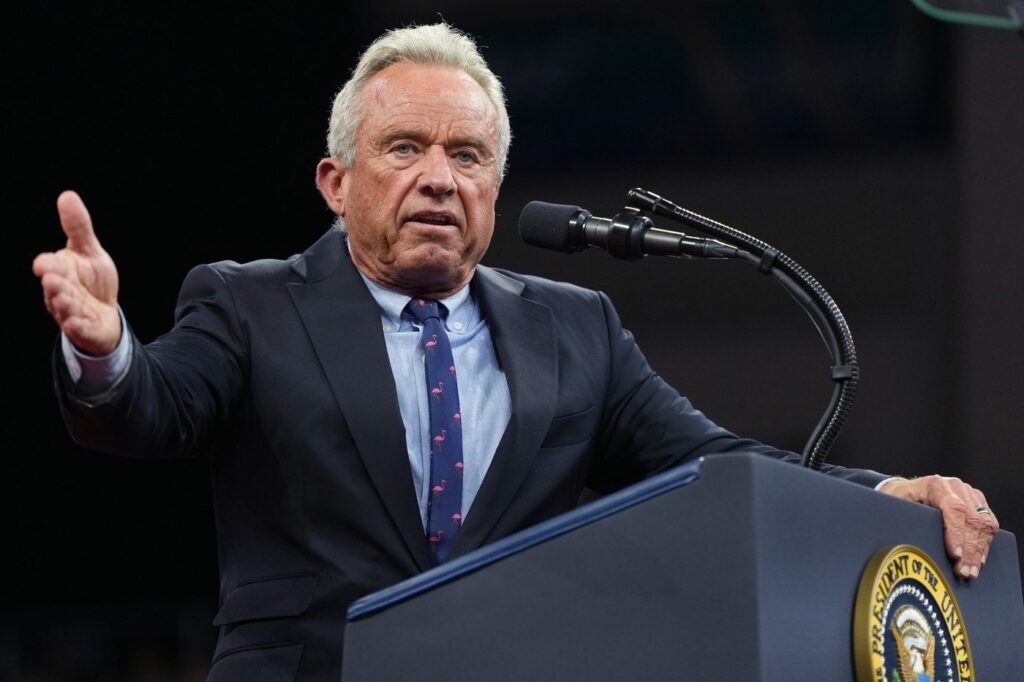
U.S. Health Secretary Robert F. Kennedy Jr., a prominent figure in the anti-vaccine movement prior to his appointment, has faced criticism for his handling of the situation. Despite $100 million in funding allocated by the CDC for state and local measles response efforts, public health officials argue that more is required to combat the growing threat. Experts emphasize the necessity of vocal federal support for vaccination initiatives to bolster public confidence in immunization.
The Americas were the first region globally to achieve measles-free status in 2016, with health officials estimating that vaccination efforts prevented approximately 6.2 million deaths between 2000 and 2023. Now, the region must confront the task of reinstating its measles-free designation amid rising cases. This resurgence poses a significant challenge, as the public health landscape shifts and historical diseases reemerge as critical issues in modern society.