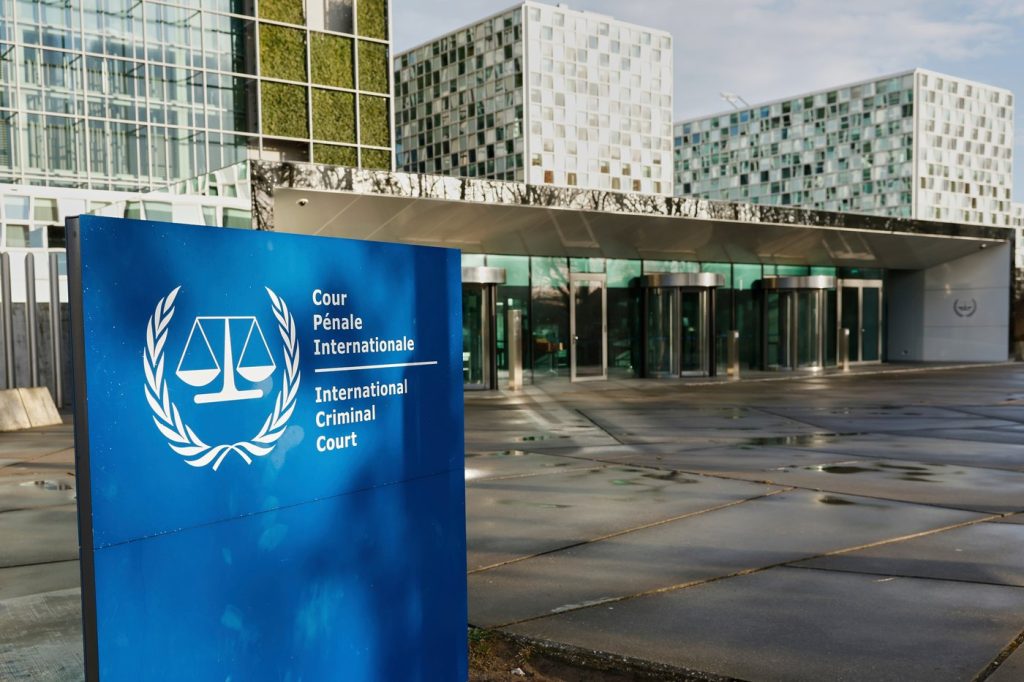
The president of the International Criminal Court (ICC), Judge Tomoko Akane, asserted during the institution's annual meeting on Monday that the court would not yield to pressure from either the United States or Russia. This statement comes amidst ongoing tensions as nine of the court's staff members, including six judges and the chief prosecutor, have been sanctioned by former U.S. President Donald Trump. The sanctions were a result of the court's investigations into U.S. and Israeli officials. In parallel, Russia has issued arrest warrants for ICC staff in retaliation for an arrest warrant issued against President Vladimir Putin regarding the war in Ukraine.
Judge Akane emphasized, “We never accept any kind of pressure,” while addressing representatives from the ICC's 125 member states. These sanctions have significantly impacted the court's operations, diverting attention and resources at a time when it faces increasing demands for investigations into various international crimes. The ICC is working under the weight of these challenges while striving to maintain its independence in the face of external political pressures.
In a prior address last year, Akane had voiced concerns about threats from the Trump administration regarding the court’s work, indicating the administration’s opposition to ICC's investigation efforts involving Israel, which is deemed a close ally of the U.S. Following Trump's inauguration for a second term, he signed an executive order imposing sanctions on ICC Prosecutor Karim Khan due to ongoing investigations into allegations against Israeli officials.
The ICC has further escalated its scrutiny of international figures by issuing an arrest warrant for Israeli Prime Minister Benjamin Netanyahu and former Defense Minister Yoav Gallant. This action pertains to alleged war crimes linked to Israel's military offensive in Gaza following the Hamas attacks on October 7, 2023. As the situation unfolds, the ICC's weeklong assembly focuses on pressing matters, including budget approval, all while managing scrutiny from the international community due to its current controversies.
Established in 2002, the ICC serves as the world’s permanent court for prosecuting individuals responsible for egregious crimes, including war crimes, crimes against humanity, genocide, and the crime of aggression. Notably, major powers such as the U.S., Israel, Russia, and China have opted not to join the court, limiting its jurisdiction and effectiveness. The ICC can only pursue cases when national judicial systems are unable or unwilling to hold defendants accountable. It lacks an independent police force, relying entirely on member states to execute its arrest warrants.
Compounding these difficulties, Prosecutor Karim Khan has temporarily stepped down amid allegations of sexual misconduct, which he has denied. The investigation regarding these allegations, involving interactions between Khan and a female aide, has stretched longer than anticipated, causing frustration among member states. Päivi Kaukoranta, the president of the Assembly of States Parties, acknowledged the delays during her opening remarks, but no timeline has been provided for when the investigation will conclude.
As the ICC grapples with internal and external pressures, its capacity to function effectively and uphold its mandate faces considerable challenges. This annual meeting signifies critical discussions on resource allocation and reaffirming the court’s commitment to its foundational principles, despite political opposition.