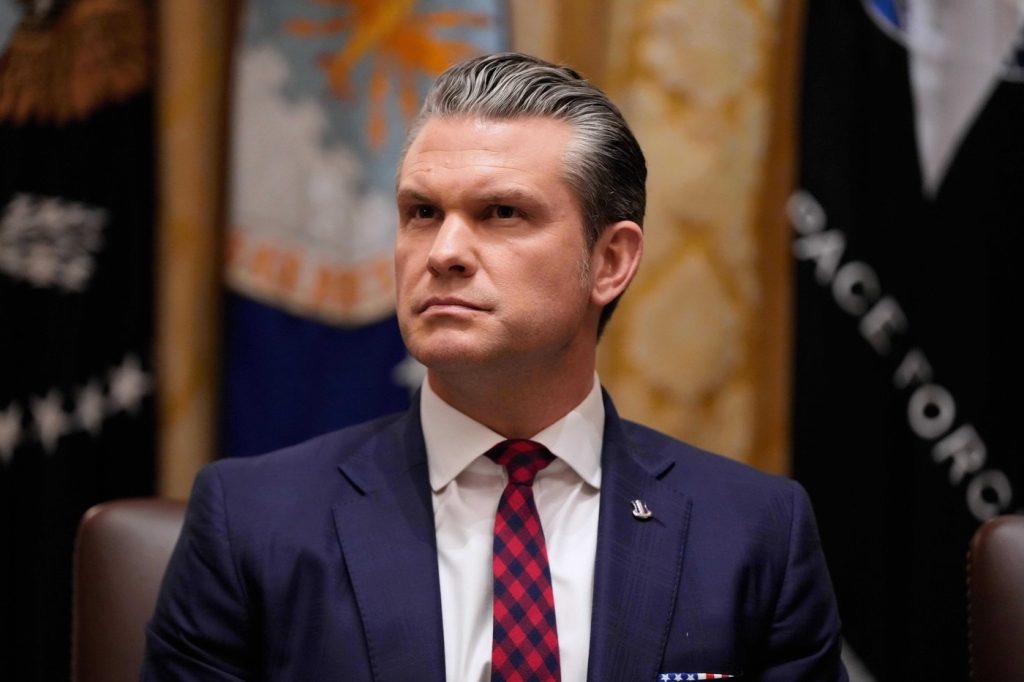
On Thursday, The New York Times filed a lawsuit against the Pentagon, challenging new rules instituted by Defense Secretary Pete Hegseth. These rules have effectively barred most mainstream media outlets, including the Times, from accessing the Pentagon building. The newspaper argues that these regulations violate the First Amendment's provisions on freedom of speech and due process, empowering Hegseth to unilaterally decide whether a reporter should be banned from the premises.
The ongoing restrictions have led to significant discontent among traditional media entities. As a consequence, various outlets, including the Times, opted to walk out of the Pentagon rather than comply with the new credentialing conditions. Currently, the Pentagon press room is predominantly occupied by conservative media organizations that have accepted Hegseth's rules. Representatives from these outlets participated in a briefing last Tuesday with Hegseth's press secretary, Kingsley Wilson.
Charles Stadtlander, a spokesman for The New York Times, stated, "The policy is an attempt to exert control over reporting the government dislikes." The lawsuit has been filed in the U.S. District Court in Washington, D.C. As of now, the Pentagon has not provided a comment regarding the lawsuit.
Despite the restrictions, many news organizations barred from the Pentagon continue to report on military matters from a distance. Recent coverage has included scrutiny of Hegseth's involvement in military actions against boats suspected of drug smuggling, raising ethical questions about the strikes conducted on these vessels, especially actions taken after survivors were spotted.
The Times contends that the ban on its reporters significantly hampers their ability to fulfill their journalistic duties. The lawsuit highlights concerns that Hegseth's authority to remove journalists for stories he disapproves of—regardless of their confidentiality—undermines the press's role and creates a chilling effect on journalism. Additionally, there are worries that similar restrictions could be adopted by other federal agencies.
The Pentagon has defended the new policy as providing "common sense" rules aimed at safeguarding military personnel from the potential release of sensitive or harmful information. During the briefing, Wilson expressed that the Pentagon does not feel the absence of traditional media, stating, "The American people don’t trust these propagandists because they stopped telling the truth. So, we’re not going to beg these old gatekeepers to come back." This statement has been cited by The Times as evidence of discriminatory practices against journalists based on their viewpoints.
Alongside The New York Times, other major news organizations—including The Associated Press, Washington Post, and CNN—have also been denied access to Pentagon briefings. The Times is leveraging Wilson's "propagandists" remark as part of its argument regarding viewpoint discrimination, which is similar to claims made by the AP concerning their journalists being barred from events at the White House and Air Force One. The AP's case is still progressing through the federal court system.
The legal team representing The Times believes their case against viewpoint discrimination is robust, given that Times reporters are entirely excluded from the Pentagon. In contrast, AP journalists still retain access to the White House but are limited from attending specific significant events there.
The lawsuit targets the Pentagon, Hegseth, and Pentagon spokesman Sean Parnell. The Pentagon Press Association, representing journalists covering the agency, expressed support for The Times' initiative to protect press freedom, arguing that the Defense Department's actions conflict with the principles of a free and independent press as protected by the First Amendment.
While pursuing this legal action independently to expedite the process, The Times has indicated openness to support from other media organizations in its fight for press freedom.