On December 4, 2025, the FBI announced the arrest of Brian J. Cole Jr., a 30-year-old man from Woodbridge, Virginia, who is accused of planting two pipe bombs outside the headquarters of the Republican and Democratic national parties in Washington, D.C., on January 5, 2021, just before the U.S. Capitol attack. This development marks a significant breakthrough in an investigation that has long puzzled law enforcement officials and fueled various conspiracy theories related to the events surrounding January 6, 2021.
The investigation into the placement of the bombs has remained unresolved for nearly five years, making Cole the first publicly identified suspect in this case. After the arrest, questions lingered regarding Cole's motives and whether there is any connection between his actions and the subsequent assault on the Capitol by supporters of then-President Donald Trump.
In building their case against Cole, investigators reviewed financial transactions associated with the purchase of pipe bomb components, analyzed cellphone tower data, and utilized a license plate reader. Although the FBI and Justice Department did not disclose specific details that led to Cole's identification, they attributed the arrest to a renewed investigation during the Trump administration and a careful reassessment of previously collected evidence.
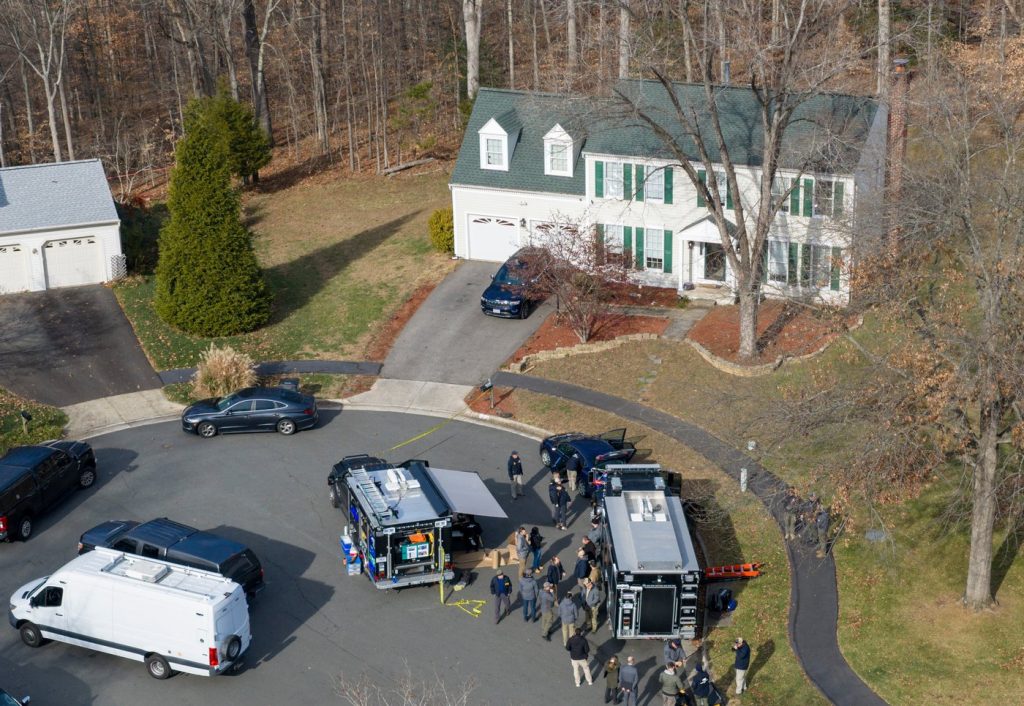
Attorney General Pam Bondi emphasized that there were no new tips or witnesses that prompted this development; rather, it was a result of diligent investigative work. Following Cole's arrest, law enforcement descended on his neighborhood, where unmarked vehicles surrounded his residence as agents conducted searches.
The pipe bombs were discovered on January 5, 2021, strategically placed near the Democratic and Republican national committee offices. Fortunately, no injuries occurred as both devices were safely rendered inactive; however, the FBI indicated that the bombs could have resulted in fatalities had they detonated. In the years that followed, the FBI requested assistance from the public in identifying an unidentified individual seen on surveillance footage, struggling to determine the subject's gender and intent.
Efforts to solve the case intensified over the years, with the FBI releasing more footage a year prior to Cole's arrest, showcasing the suspect placing one of the bombs and offering additional physical descriptions. Despite receiving hundreds of tips, the agency's investigation faced significant challenges due to the vast amount of video footage and interviews conducted without conclusive evidence leading to a suspect.
In the absence of concrete leads, conspiracy theories proliferated among certain political factions and media, with some Republican lawmakers and commentators asserting that the situation was a result of an "inside job" or suggesting that details were being concealed from the public. Among the critics was Dan Bongino, a prominent conservative voice who hinted at a cover-up related to the incident.
Once in the position of FBI deputy director, Bongino and others highlighted the investigation's importance, asserting that the organization had expanded its resources to solve the case effectively. Surveillance footage revealed that the unidentified individual spent over an hour roaming the area prior to the riots, leading investigators to analyze digital and financial records extensively. This multifaceted approach ultimately guided investigators to Brian Cole, whose purchases in 2019 and 2020 reflected materials used in constructing the bombs.
Records demonstrated that Cole's cellphone was detected near the Republican National Committee (RNC) and Democratic National Committee (DNC) sites on the night the bombs were planted, contributing to the evidence against him. Additionally, his vehicle was identified passing a license plate reader in proximity to the area around the same time.