TEL AVIV, Israel (AP) — Israeli Prime Minister Benjamin Netanyahu announced on Sunday that Israel and Hamas are "very shortly expected to move into the second phase of the ceasefire." This transition will occur once Hamas returns the remains of the last hostage still held in Gaza, specifically Ran Gvili, a 24-year-old police officer who was killed during the Hamas-led attack on October 7, 2023, which ignited the ongoing conflict.
During a news conference with German Chancellor Friedrich Merz, Netanyahu highlighted the potential timeline for the second phase, indicating it could commence as early as the end of the month. This phase aims to address the disarming of Hamas and the withdrawal of Israeli troops from Gaza. Currently, Hamas has not yet delivered Gvili's remains, claiming difficulties in retrieving them due to rubble left by the extensive Israeli offensive in Gaza.
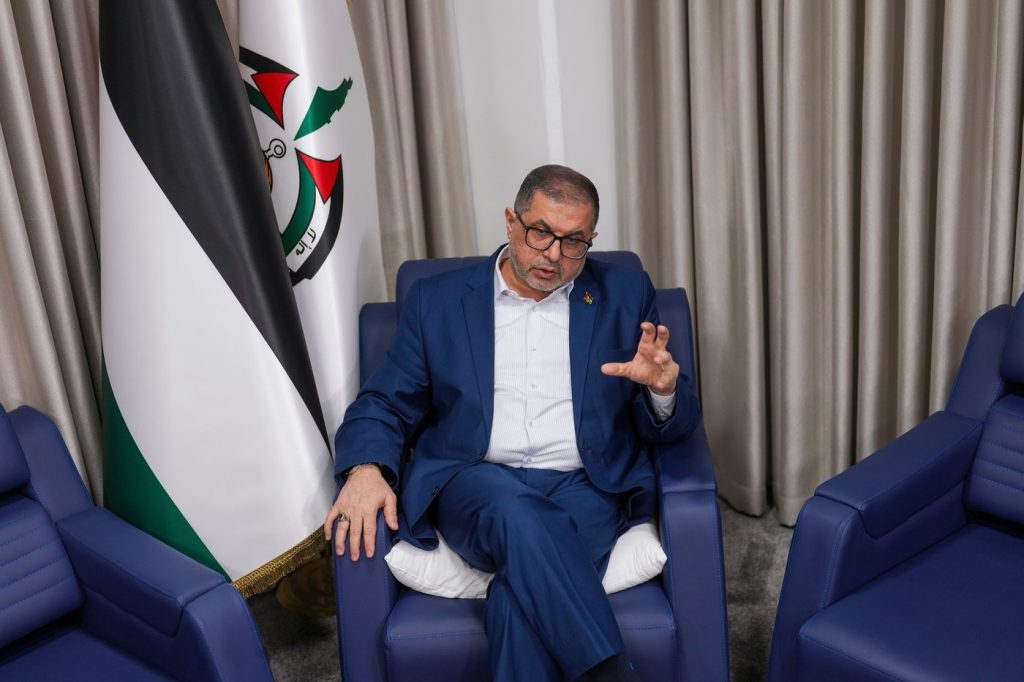
The second stage of the ceasefire plan also includes the establishment of an international force to oversee security in Gaza and the formation of a temporary Palestinian government. This government would operate under the supervision of an international board, which will be led by U.S. President Donald Trump. A Hamas official has stated that the organization is open to discussions about "freezing or storing or laying down" its weapons as part of the ongoing ceasefire negotiations.
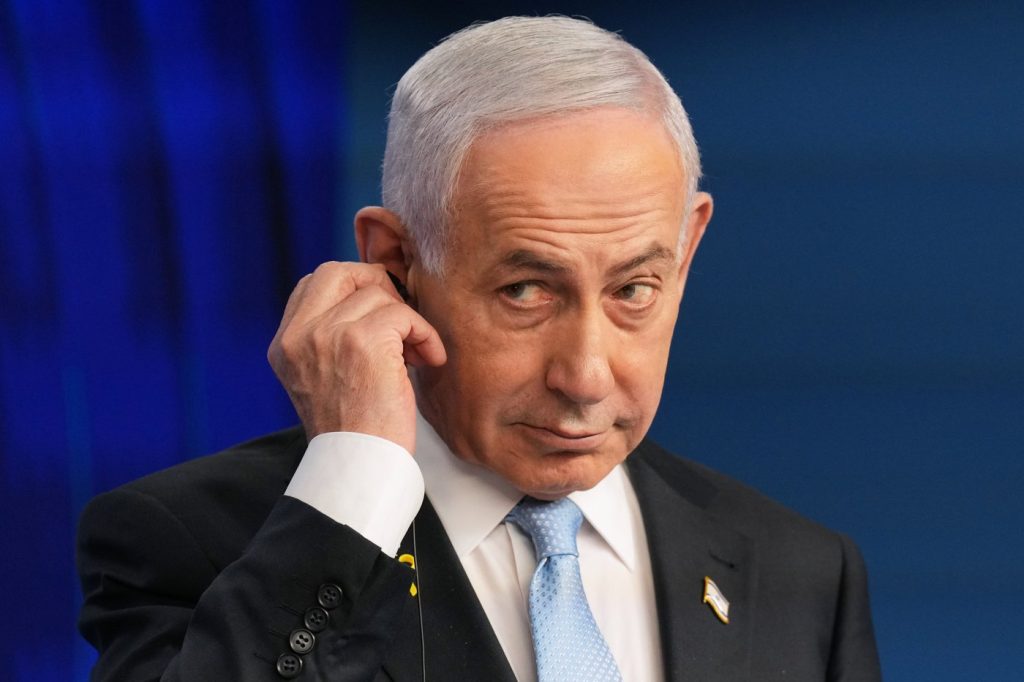
Netanyahu expressed skepticism regarding the feasibility of the ceasefire's next stages, noting that the first phase was met with disbelief, and the upcoming second phase presents similar challenges. He also mentioned a potential third phase focused on the deradicalization of Gaza, citing historical precedents in Germany, Japan, and the Gulf States as evidence that it could be accomplished, provided Hamas is dismantled.
The successful return of Gvili's remains, coupled with Israel's return of 15 Palestinian bodies, would finalize the first phase of Trump’s 20-point ceasefire plan. However, tensions remain high, with Israel accusing Hamas of stalling the process and warning that it may resume military operations or restrict humanitarian aid should the remains not be returned promptly.
A statement issued by a group of families of hostages asserted, "we cannot advance to the next phase before Ran Gvili returns home." Amidst these developments, Israeli military Chief of Staff Lt. Gen. Eyal Zamir referred to the newly delineated “Yellow Line” separating Israeli-controlled areas from other parts of Gaza as a "new border," stressing Israel's operational control over significant sections of the Gaza Strip.
Chancellor Merz reiterated Germany’s unwavering support for Israel, revealing that Germany is aiding in the implementation of the ceasefire's second phase by dispatching officers and diplomats to a U.S.-led coordination center in southern Israel, alongside providing humanitarian assistance to Gaza. He affirmed Germany's commitment to a two-state solution but emphasized that recognition of a Palestinian state should occur at the conclusion of such a process, rather than at the beginning.
Netanyahu also addressed his hesitance to embark on a diplomatic visit to Germany due to an existing arrest warrant issued by the International Criminal Court linked to the Gaza war. Merz mentioned that while there are no immediate plans for a visit, he may extend an invitation in the future. He also stated that he was not aware of any forthcoming sanctions against Israel from the European Union or plans to reinstate previous military export bans to Israel.
In related military developments, the Israeli military reported the killing of a militant who approached their troops near the Yellow Line. Meanwhile, Gaza’s Health Ministry claims that over 370 Palestinians have been killed since the ceasefire began, with reports emerging of six more casualties within a 24-hour period. The ongoing conflict has resulted in significant casualties, with Gaza's Health Ministry asserting that Israeli military actions have led to the death of at least 70,360 Palestinians, highlighting that nearly half of these fatalities represented women and children.