Iceland Joins Boycott Against Eurovision 2024
Iceland has decided to boycott the upcoming Eurovision Song Contest scheduled for next year, as announced by its public broadcaster, RUV, on Wednesday. This decision marks Iceland as the latest country to withdraw from the competition, which has seen increasing political tensions and criticisms regarding its association with Israel.
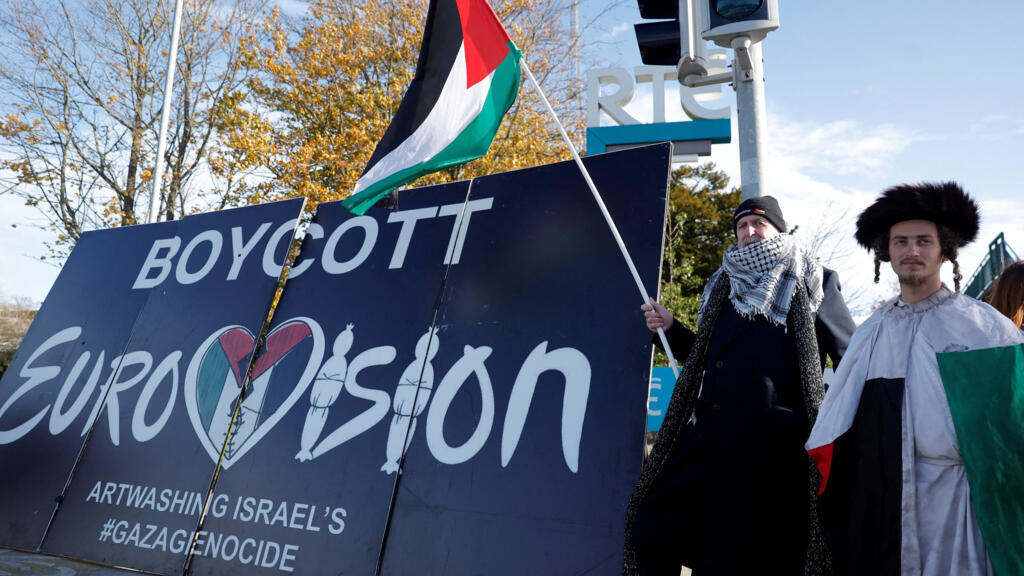
The decision comes amid a rising wave of withdrawals from the prestigious contest, primarily triggered by the controversy surrounding Israel's participation. Iceland joins four other nations in this coordinated exit, including Spain, the Netherlands, Ireland, and Slovenia, all of whom have expressed their discontent. These nations collectively pulled out of Eurovision in response to growing calls for accountability regarding Israel's actions, particularly in Gaza.
The situation has escalated, turning the Eurovision Song Contest, traditionally known for its celebration of music and unity across Europe, into a focal point for political debate and activism. Critics argue that allowing Israel to compete sends a message that the international community is indifferent to the ongoing humanitarian crisis in Gaza. Many supporters of the boycott believe that participating in the contest while these events unfold undermines the values that Eurovision purports to uphold.
Israel's participation in Eurovision has historically been seen as controversial, but the current geopolitical climate has intensified reactions from various countries and social movements. As a result, public discourse around the event has shifted dramatically against its cultural backdrop. Iceland's withdrawal reflects a growing sentiment among European nations regarding moral accountability and the interconnectedness of art and political responsibility.
The impact of these boycotts on the overall success and integrity of the Eurovision Song Contest remains to be seen. With multiple countries now stepping back from the competition, concerns are growing about the event's future dynamics and its capability to bring together diverse nations in a spirit of unity and competition. Observers will closely watch how the organizers respond to these developments and if other countries will follow suit in solidarity.
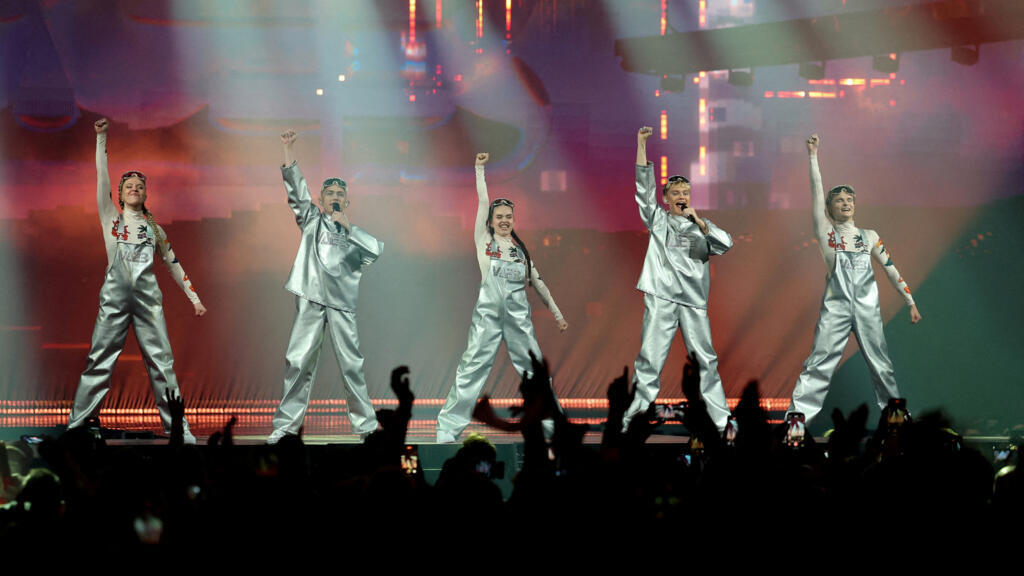
As Europe prepares for Eurovision 2024, the political implications of participation are becoming increasingly complex. The contest, once a jubilant platform for showcasing musical talents across the continent, is now entangled in broader international discussions regarding human rights and political actions of countries involved. With Iceland's withdrawal, the spotlight on Eurovision will likely shift to include these pressing issues, compelling both artists and audiences alike to reconsider the event's significance in today's context.