Iceland has announced that it will not participate in the 2026 Eurovision Song Contest, which is set to be held in Austria. This decision was made public by the country's national broadcaster on Wednesday. Iceland's withdrawal marks a significant development in the context of current geopolitical tensions and reflects a growing trend among countries expressing discontent with the Eurovision organizers' decisions.
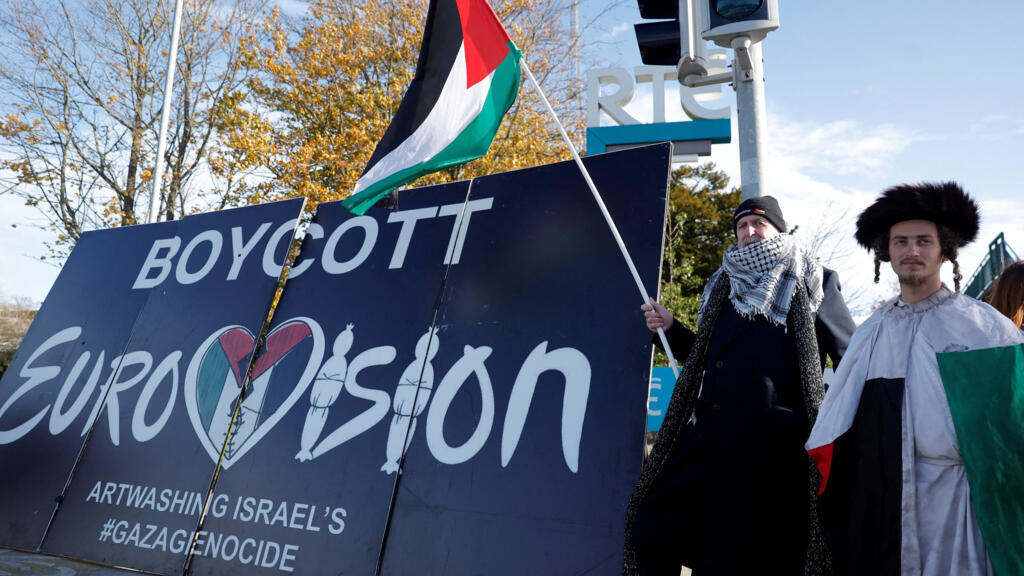
The decision to boycott comes after Eurovision organizers opted not to exclude Israel from the competition. This refusal follows heightened scrutiny of Israel’s actions during the ongoing war in Gaza. The Israeli participation in Eurovision, a popular music competition that celebrates cultural diversity, has become a point of contention, particularly in light of the humanitarian crisis unfolding in Gaza. As a result of these concerns, Iceland joins a list of countries now boycotting the event, which has reached five in total, as nations choose to express their stance on international matters through their participation—or lack thereof—in such global events.
The Eurovision Song Contest has long served not only as a platform for musical talent but also as a stage for cultural expression and political statements. Countries often use their participation to showcase national pride, but circumstances can shift dramatically in the face of pressing global issues. Iceland's public broadcaster emphasized that the decision was made to align with the country's values and concerns regarding the situation in Gaza.
In addition to Iceland, other nations have also taken stands against Eurovision's decision-making regarding participant eligibility. This collective decision indicates a potential shift in how countries view their engagement with international platforms, especially when it comes to ethical considerations surrounding ongoing conflicts. The previous year's Eurovision, held in 2023, saw various geopolitical influences at play, but these concerns have intensified as global tensions have escalated.
The Eurovision community, while continuing to emphasize its commitment to diversity and inclusivity, now faces a crucial moment of reflection regarding how it navigates the intersection of music, culture, and politics. The absence of Iceland, alongside other boycotting nations, further highlights the rifts that are forming around the contest as it approaches its next edition in 2026.
In summary, Iceland's decision to withdraw from the Eurovision Song Contest shines a light on the complex interrelationship between arts and political stances. As nations grapple with their ethical responsibilities in the face of humanitarian crises, the future of cultural competitions like Eurovision may very well depend on their capacity to respond to these critical humanitarian and ethical issues. The upcoming contest could see further repercussions depending on how organizers address the ongoing tensions and the concerns raised by participating nations. Each decision made will undoubtedly impact not just the competition; it will resonate across the broader cultural landscape.