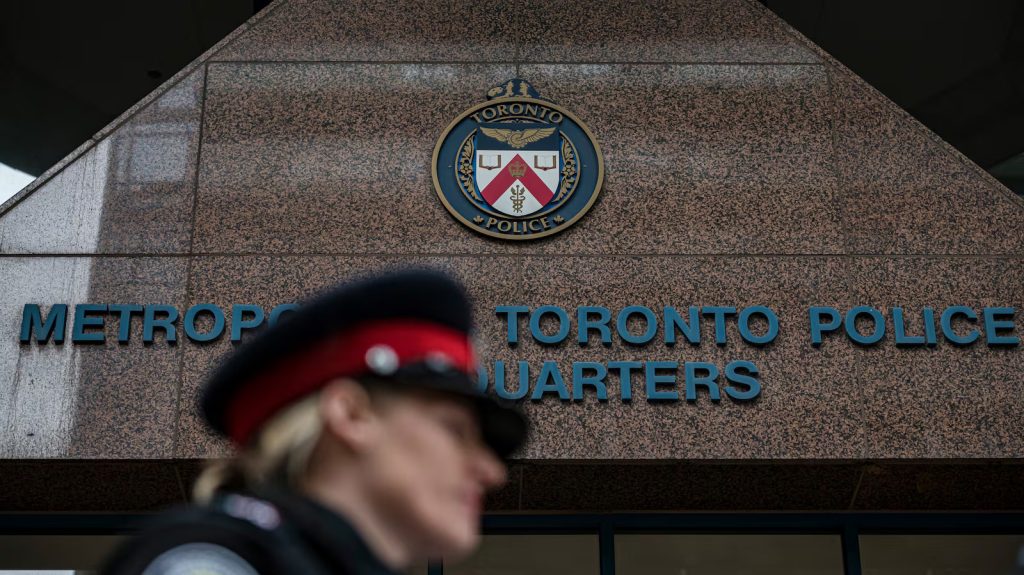
The Toronto Police Service Board has officially approved the 2026 budget, which is slated for final consideration by the City Council. The budget totals $93.8 million, reflecting a seven percent increase compared to the previous year's allocation.
One of the primary focuses of this budget is the addition of 143 new uniform positions. This strategic move aims to enhance the emergency response capabilities of the police force and bolster its investigative capacities, enabling quicker resolutions to ongoing cases. In addition to the uniform positions, the budget also incorporates provisions for 40 new civilian roles that will be allocated based on the operational priorities identified by the department.
Toronto Police Chief Myron Demkiw expressed confidence in the budget's framework, stating, “This budget strengthens the progress we’ve made over the past year. It continues to support our multi-year hiring plan, ensuring more officers are on the frontline to continue to improve responding to residents when they need us the most.” The Chief emphasized the importance of increasing police presence in various community settings, particularly through the expansion of the Neighbourhood Community Officer (NCO) program and a stronger foothold within the transit system.
Financially, approximately 84 percent of the Toronto Police budget is funded through property taxes, with the remaining portion sourced from various revenues and grants. If the City Council approves the full budget increase, the total operating budget for 2026 is projected to reach $1.43 billion, reflecting the city's commitment to enhancing public safety and community support services.
This budget is a vital component of the Toronto Police's ongoing efforts to adapt to the changing needs of the community, ensuring officers are readily available to address public concerns. The increase in manpower aims not only to improve emergency response times but also to foster better relationships between law enforcement and the communities they serve.