Moscow escalated its attacks on Ukraine's energy infrastructure with drone and missile strikes on Saturday, while Kyiv responded with a significant strike on southwestern Russia. This exchange of hostilities occurred just a day before high-level peace talks involving European and U.S. officials were set to take place in Berlin.
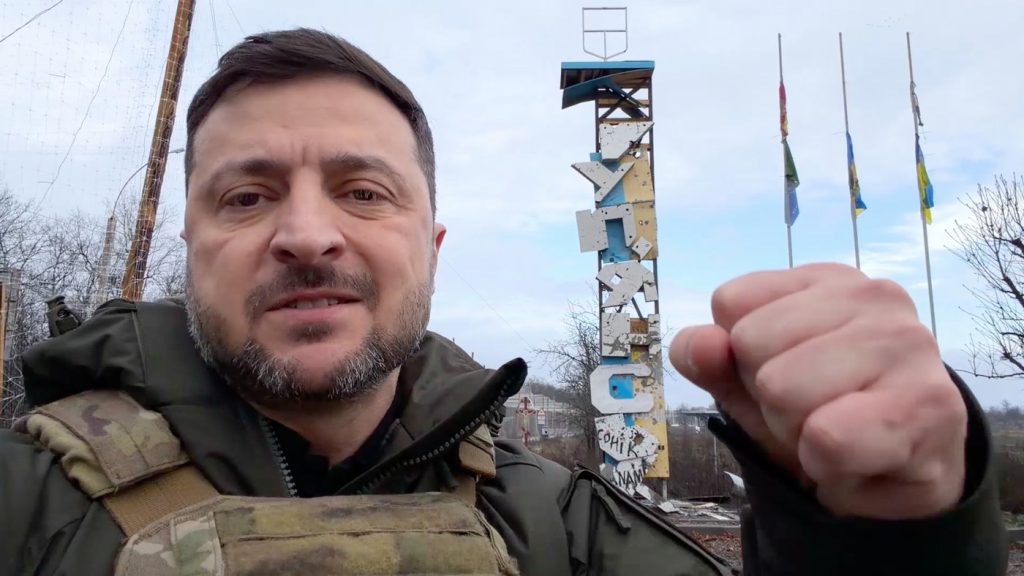
Ukrainian President Volodymyr Zelenskyy announced that meetings would be held in Berlin involving Ukrainian, U.S., and European representatives, during which he is scheduled to meet with envoys of U.S. President Donald Trump. "Most importantly, I will be meeting with envoys of President Trump, and there will also be meetings with our European partners concerning the foundation of peace—a political agreement to end the war," Zelenskyy stated in a late Saturday address to the nation.
Attending the Berlin talks will be Trump's special envoy Steve Witkoff and his son-in-law Jared Kushner, according to a confidential White House source. U.S. officials have been attempting to navigate the complex demands of both Ukraine and Russia, as Trump pushes for a swift conclusion to the conflict, expressing frustrations over the ongoing delays in negotiations.
The search for a potential compromise has faced significant hurdles, particularly concerning control over Ukraine's eastern Donbas region, which is predominantly held by Russian forces. Zelenskyy emphasized that Ukraine is striving for a dignified peace and guarantees that Russia will not initiate a third invasion. "The chance is considerable at this moment, and it matters for our every city, for our every Ukrainian community," he noted.
Despite ongoing diplomatic efforts, the conflict continues unabated. Russia launched a barrage of attacks on five Ukrainian regions overnight, targeting critical energy and port infrastructures. Zelenskyy reported that these attacks involved more than 450 drones and 30 missiles, leaving over a million people without electricity amid freezing temperatures. Furthermore, an attack on Odesa led to grain silos catching fire at the port, and reports indicate that two individuals were injured in the broader Odesa region's attacks.
Ukrainian officials claim that Russia is intentionally attempting to cripple the country's power grid, aiming to deprive civilians of essential services such as heat, light, and running water during the harsh winter months. This tactic has been characterized by Ukrainian authorities as "weaponizing" the cold.
In a retaliatory measure, Kyiv launched a drone strike in Russia's Saratov region, which resulted in the death of two people and damage to a residential building. The regional governor, Roman Busargin, reported that the attack also affected a kindergarten and a clinic. Russia's Defense Ministry claimed to have intercepted 41 Ukrainian drones over its territory during the same period.
On the front lines, Ukrainian forces assert that they maintain control over the northern part of Pokrovsk, contrary to Russia's claims of having taken complete control of the strategic city. However, independent verification of these claims by the Associated Press has not been possible.
In the backdrop of the ongoing conflict, Kremlin foreign affairs adviser Yuri Ushakov reiterated that Moscow would agree to a ceasefire only after Ukrainian forces withdraw from portions of the Donetsk region they still occupy. However, Ukraine has adamantly refused to relinquish any remaining part of this region to Russia.
Ushakov indicated that Russian police and national guard troops would continue to maintain a presence in parts of eastern Ukraine's Donbas, even if these areas were designated as demilitarized zones under a possible peace agreement. This demand is expected to be rejected by Ukrainian officials, as the U.S.-led negotiations remain at a standstill.
Ushakov also cautioned that reaching a compromise could be a lengthy process, citing that U.S. proposals accommodating Russian demands had been altered in ways deemed "worsened" by Ukraine and its European allies. "We will strongly insist on our considerations," he stated.
In other developments, approximately 480 people were evacuated from a train traveling from the Polish city of Przemysl to Kyiv following a reported threat. Polish authorities confirmed that no injuries occurred and did not elaborate on the nature of the threat, although they remain on high alert due to previous attempts to disrupt train operations between Warsaw and the Ukrainian border, including explosives incidents attributed to Russian interference.