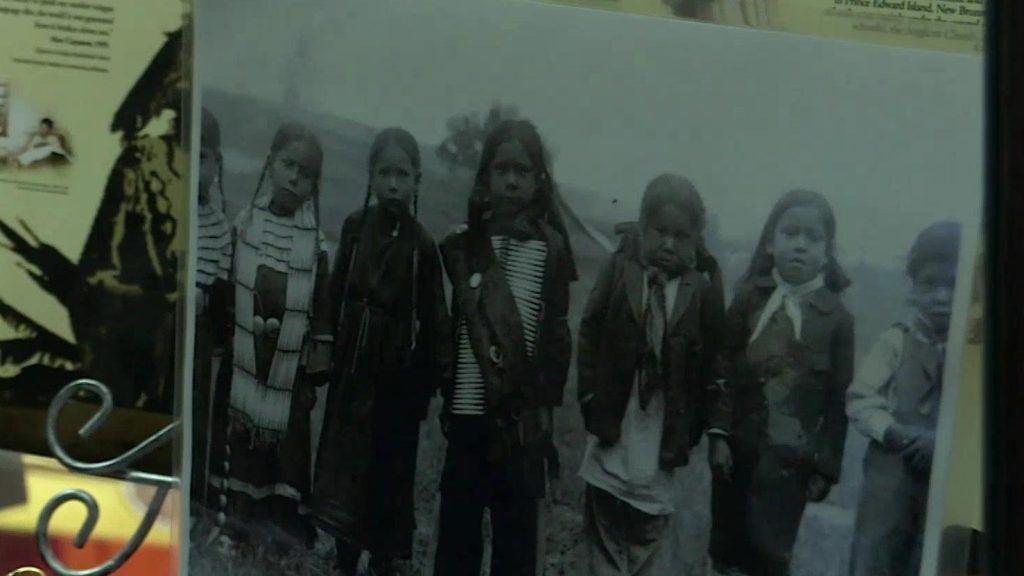
The Truth and Reconciliation Commission of Canada has generated a number of historic documents essential for understanding the country’s dark legacy regarding residential schools. However, these significant records are at risk of being destroyed in 2027 unless immediate actions are taken to preserve them.
Tiana Vrbanik, in partnership with the Anishinabek Mukwa Dodem, the traditional governing body of the Anishinabek Nation, has taken a proactive stance by filing a petition in November. The primary goal of the petition is to urge the federal government to ensure that all records related to residential schools are preserved permanently. This is crucial as many of Canada’s residents remain unaware of the complete history of these institutions and the trauma they inflicted on Indigenous communities.
The petition calls for several immediate measures, including a prohibition on the permanent loss of residential school records, the guarantee of long-term accessibility for Indigenous communities, survivors, and the wider public, and the allocation of resources to support archival and community access initiatives. Vrbanik expressed the importance of understanding the full history of Canada, emphasizing that every citizen should engage with their country’s past.
Laura Arndt, representing the survivor's secretariat, highlighted the severity of the testimonies shared by survivors, which detail horrific abuses including violence, sexual abuse, psychological trauma, and dehumanization. She noted that establishing a system to retain these records as part of a national repository could help identify children who went missing or died while attending residential schools, thus providing essential context for understanding the historical injustices faced by Indigenous peoples.
Between 2009 and 2015, thousands of survivors offered their personal stories to the National Centre for Truth and Reconciliation (NCRT). However, a ruling from the Ontario Superior Court in 2014 mandated that these documents must be destroyed after 15 years, a decision later upheld by the Supreme Court of Canada in 2017. The records contain sensitive personal information and testimonies crucial to the healing process for survivors and their families.
In order to preserve their records, survivors are required to contact the NCRT before September 19, 2027. Vrbanik strongly believes that survivors should not have to opt-in to access their own records, arguing that this should be an entitlements, much like medical records, and stressing the importance of awareness within communities that may be unaware of the impending destruction of these vital documents.
Arndt added that the truth-telling process is essential for deciding the future path toward healing for families, nations, and their relationships with Canada. The petition is open for signatures until March 5, 2026, underscoring the ongoing need for public support in preserving this integral part of Canadian history.