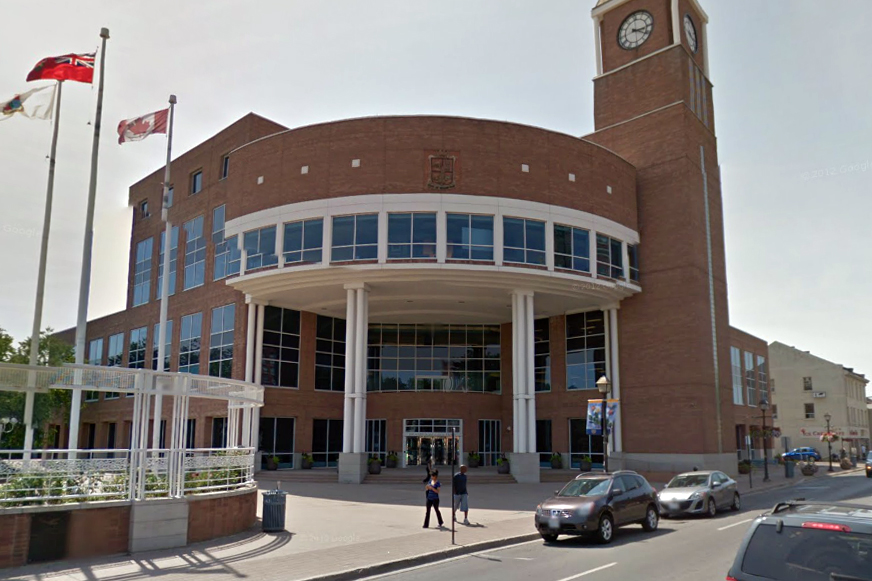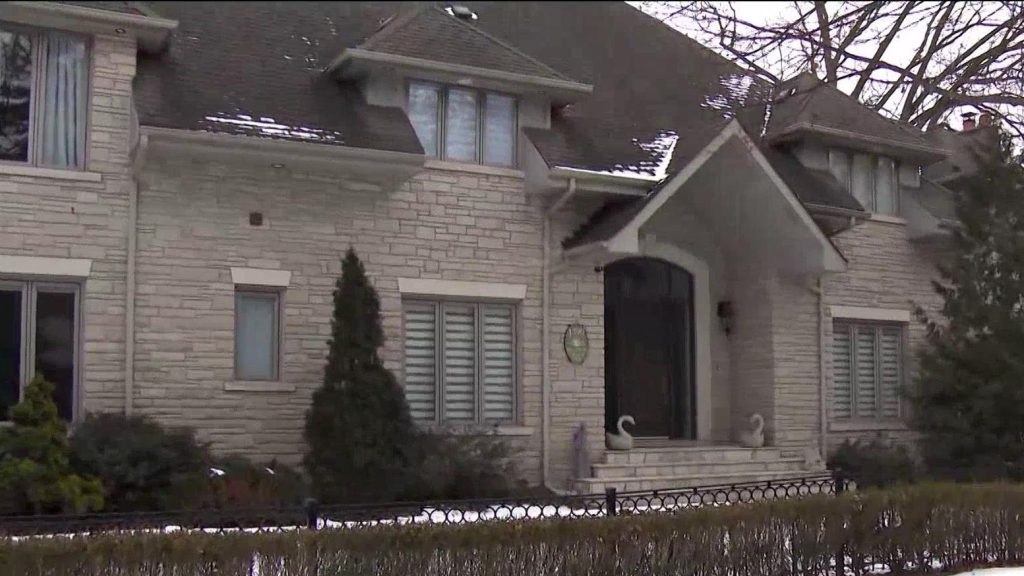
The Toronto City Council has officially approved a motion proposed by Mayor Olivia Chow to implement an increase in the land transfer tax for luxury homes priced over $3 million. This decision aims to generate additional revenue from the luxury housing market, with the city projecting an additional $14 million in tax revenue for the fiscal year 2026. Currently, tax revenue from the sale of luxury homes in Toronto amounts to approximately $138 million annually.
The revised tax structure will introduce several tiers: a rate of 4.4 percent for properties selling for up to $4 million, 5.45 percent for homes up to $5 million, 6.5 percent for properties up to $10 million, 7.55 percent for homes up to $20 million, and 8.6 percent for homes exceeding $20 million. This progressive taxation strategy reflects a targeted approach to taxing the wealthiest homeowners in the city.
However, this initiative has met with criticism from some quarters. Opponents, including Coun. Brad Bradford, who is also a mayoral candidate, argue that increasing taxes on the rich can have unintended consequences. Bradford indicated that the municipal land transfer tax's revenue is variable and dependent on the number of transactions, suggesting that it is not a reliable source of income. He warned that increasing housing costs impacts everyone within the market, not just the affluent buyers.
In defense of the tax increase, Mayor Olivia Chow expressed confidence in her decision, stating that it affects only a small fraction of the population—specifically, the wealthiest two percent of luxury homebuyers in Toronto. Chow contended that those who can afford to buy homes priced between $5 million and $20 million should be able to contribute more toward local public finances.
On the opposite side of the political spectrum, Coun. Gord Perks emphasized that progressive taxation is a fundamental aspect of democracy in Canada. He argued that ensuring those who can afford to pay more do so helps maintain social equity and provides necessary support to those in need.
The Toronto Regional Real Estate Board has also voiced its opposition to this tax increase. They have reached out to Premier Doug Ford, requesting his intervention to halt the motion. In response, Ford stated he would not intervene and suggested that residents dissatisfied with this decision could express their opinions during the upcoming municipal election in the fall of the following year.
Additionally, the council has included an amendment to explore potential relief options for first-time homebuyers, although this study remains preliminary, and any implemented relief would not take effect until future budgets.
In terms of financial allocation, the council plans to use all revenue generated from this new tax to fund transit and housing benefits. Furthermore, they will seek a share of the Harmonized Sales Tax (HST) from the provincial government to reduce reliance on the municipal land transfer tax for funding essential city services.
The city is set to release its budget for 2026 in January, and the new land transfer tax is expected to take effect in April of that year, marking a significant shift in the city’s housing tax policy aimed at addressing the needs of local residents while generating revenue from the luxury segment of the real estate market.