European Farmers Protest Against EU-Mercosur Treaty in Brussels
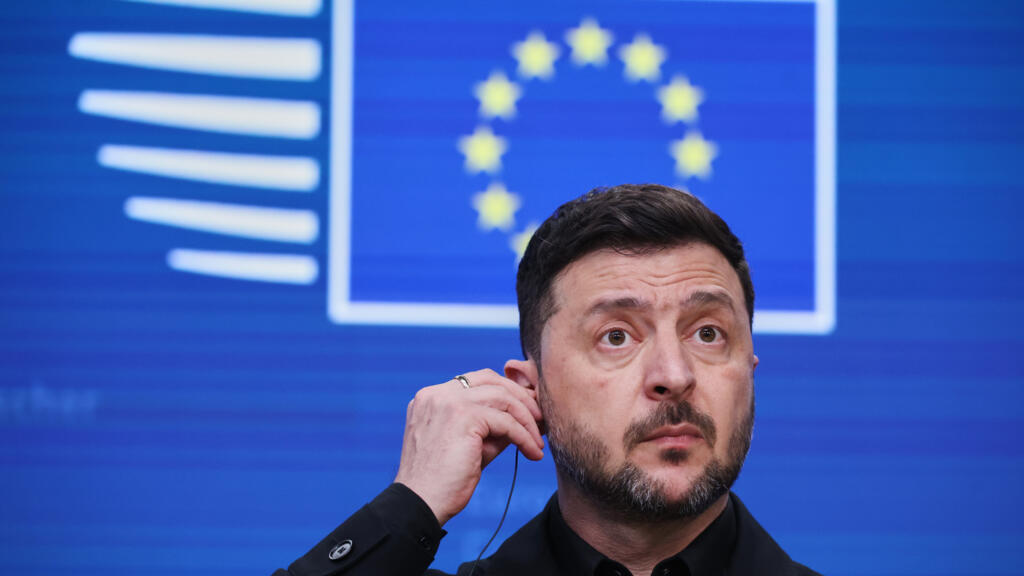
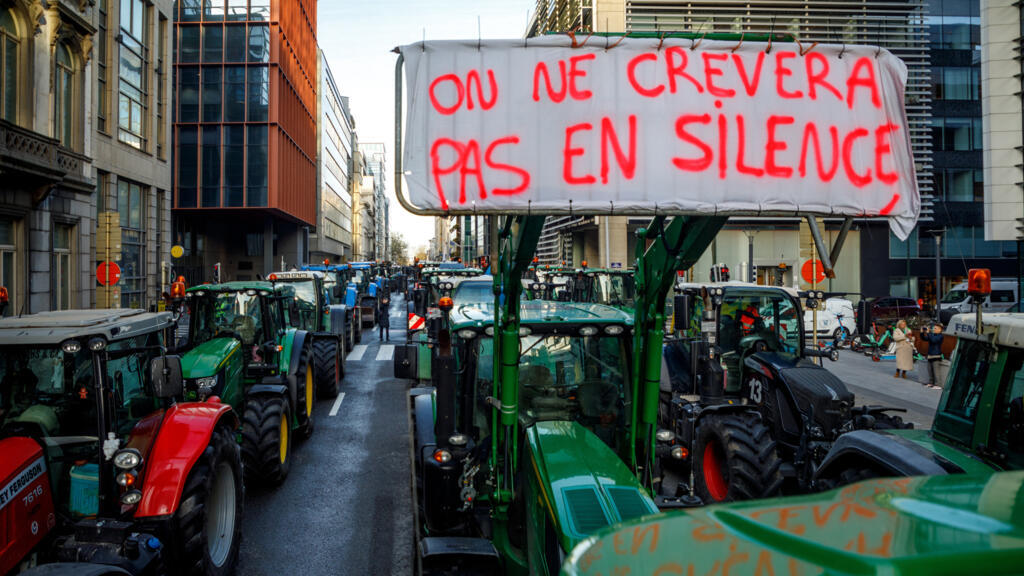
On Thursday, thousands of farmers from across Europe gathered in Brussels to voice their discontent regarding the EU-Mercosur trade agreement. The protest comes at a time when European leaders converge for a significant summit, thereby drawing additional attention to the concerns raised by the agricultural community. This treaty, which seeks to foster trade relations between the European Union and four South American countries—Brazil, Argentina, Paraguay, and Uruguay—has become a contentious issue, particularly for European farmers worried about its implications on local farming practices and economic stability.
The central worry for the demonstrators is the anticipated influx of South American agricultural products into the European market. Farmers fear that this would lead to increased competition that could undermine local producers. South American countries are known for their vast agricultural production capabilities, which have raised concerns among European farmers regarding the potential for a flood of cheaper products entering the EU and disrupting existing markets. The implications of this treaty could result in lower prices for consumers but also threaten the livelihoods of farmers across Europe.
In addition to the treaty concerns, farmers are also expressing anxiety over the reform of agricultural subsidies that the EU has been discussing. Subsidies play a crucial role in providing financial support to farmers, helping them to remain viable in competitive markets. However, proposed changes have caused uncertainty about the future landscape of farming in Europe. Farmers argue that any reduction in these subsidies could jeopardize their livelihoods and the sustainability of the agricultural sector in the long term.
The turnout for the protest reflects the deep-seated frustration among farmers, many of whom feel that their voices have not been adequately considered in the negotiation processes surrounding the EU-Mercosur agreement. They assert that agricultural policies should prioritize local farming and food security over external trade deals that could potentially compromise domestic agriculture.
As the protests unfold in Brussels, European leaders are faced with the challenge of reconciling the interests of the agricultural community with broader trade objectives. The outcome of the summit will be pivotal in determining the future relationship between the EU and Mercosur countries and how that affects European farmers. The stakes are high, as the decisions made will impact not only trade relations but also the sustainability of the farming sector in Europe.
The protest serves as a reminder of the complexities involved in international trade agreements, particularly in sectors as sensitive as agriculture. The balancing act between fostering international trade and protecting local industries is fraught with challenges, and the voices of the farmers must be acknowledged in these discussions to create a fair and equitable framework for all stakeholders involved.