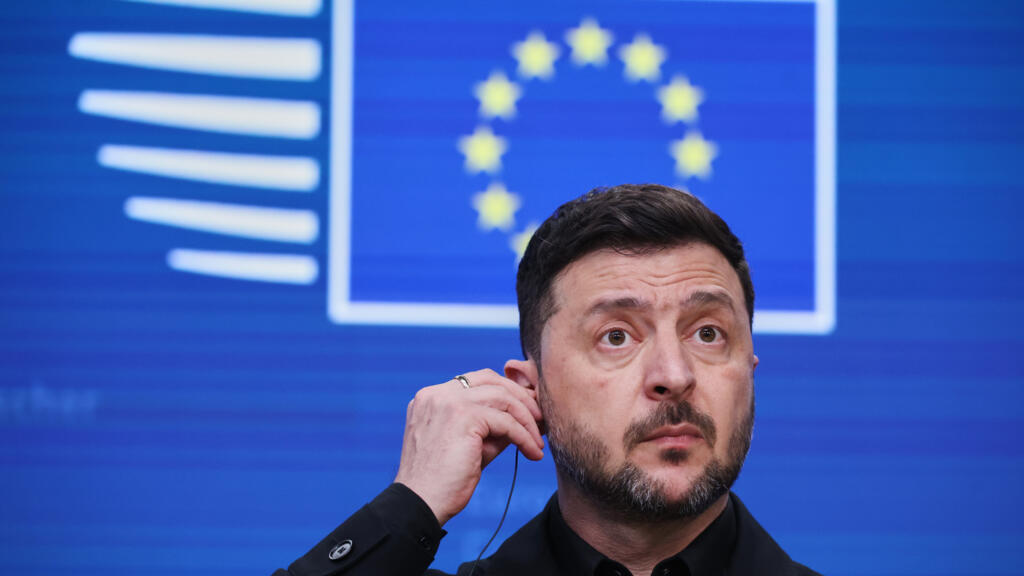
EU Leaders Agree on Interest-Free Loan for Ukraine Despite Funding Disputes
On a recent Friday, European Union (EU) leaders reached a significant agreement to provide Ukraine with a substantial interest-free loan aimed at addressing its pressing military and economic needs over the next two years. This move underscores the EU's ongoing commitment to support Ukraine amid ongoing challenges stemming from the conflict with Russia.
The loan is intended to facilitate various aspects of Ukraine's recovery and defense capabilities, enabling the country to better navigate the ongoing crisis and strengthen its resilience. However, discussions among EU member states brought forth a notable challenge. Leaders were unable to find common ground with Belgium regarding the potential utilization of frozen Russian assets to fund this significant loan.
Belgium's opposition to tapping into these frozen assets has become a contentious issue within the EU. The discussion highlighted the complexities of international finance and the legal frameworks governing the assets seized from Russia in response to its aggression towards Ukraine. While many EU leaders advocated for using these assets as a financial resource to bolster Ukraine's support package, Belgium's hesitance has stalled any concrete advancements in this area.
The agreement for the interest-free loan marks a pivotal moment in the EU's aid strategy for Ukraine, reinforcing the union's solidarity with the nation. The two-year timeframe for this support is crucial, as it allows Ukraine to stabilize its economy and military spending amid persistent threats and instability. The financial package, while significant, is part of a broader strategy that also includes military assistance and humanitarian aid.
The failure to reach an agreement on the use of frozen Russian assets is indicative of the broader challenges the EU faces in creating a cohesive and effective response to the ongoing crisis. Divergent opinions among member states can complicate swift action and resource allocation, which could ultimately affect the level of support Ukraine receives during this critical period.
As the situation develops, EU leaders are likely to continue discussions around financial assistance packages and the potential repurposing of Russian assets. The complexity of international relations and financial mechanisms necessitates a careful approach to ensure that any actions taken are legally sound and politically viable for all member states involved.
In summary, while the EU's commitment to providing Ukraine with an interest-free loan signals strong support, the inability to utilize frozen Russian assets introduces obstacles that the union must navigate to maximize its assistance efforts. Ongoing dialogue among member states will be crucial in finding a resolution that benefits Ukraine and aligns with the collective interests of the EU.