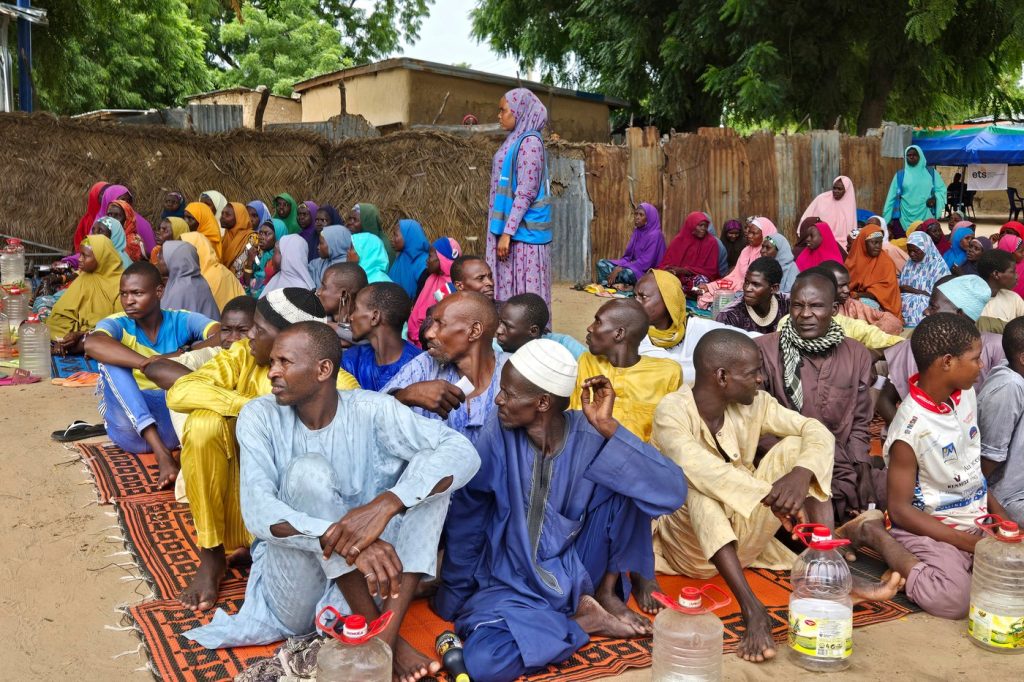
DAKAR, Senegal (AP) — The U.N. World Food Program (WFP) has issued a dire warning that over one million people in northeastern Nigeria may soon lose access to critical emergency food and nutrition aid. The agency, which has been providing assistance in the region since 2015, stated that without immediate funding, it will significantly reduce its support from 1.3 million people during last year’s lean season to just 72,000 in February 2024.
According to the WFP, an alarming 35 million people in Nigeria are expected to face severe hunger this year, marking the highest figure on the continent and the largest recorded since the agency began data collection in the country. The organization stressed that despite previous generous contributions that allowed for life-saving aid, the resources have now been exhausted.
David Stevenson, WFP’s Nigeria Country Director, expressed that the reduction in food assistance would have catastrophic humanitarian, security, and economic consequences for the most vulnerable populations, many of whom have been forcibly displaced from their homes while searching for food and shelter. The ongoing violence has reportedly displaced around 3.5 million people in recent months, exacerbating the already critical levels of malnutrition in several northern states of Nigeria.
The humanitarian crisis is further aggravated by extensive violence and attacks from various armed groups, which have deterred farmers from cultivating their land. This has led to a significant destruction of food supplies, contributing to the worsening food insecurity in the region. Just last week, more than 150 worshippers were abducted in coordinated attacks on three separate churches in northwestern Nigeria, highlighting the escalating violence in the area.
In addition to these challenges, Nigeria has faced a massive scaling back of U.N. food assistance. This reduction has been linked, in part, to U.S. President Donald Trump’s decision to cut funding for the United States Agency for International Development (USAID), a move that has deepened the food crisis not only in Nigeria but also across the region. In July, the WFP even suspended food assistance across West and Central Africa due to funding shortages.
The situation in northeastern Nigeria remains critical, underscoring the urgent need for international funding and support to address the escalating humanitarian crisis and prevent millions from suffering imminent food insecurity.