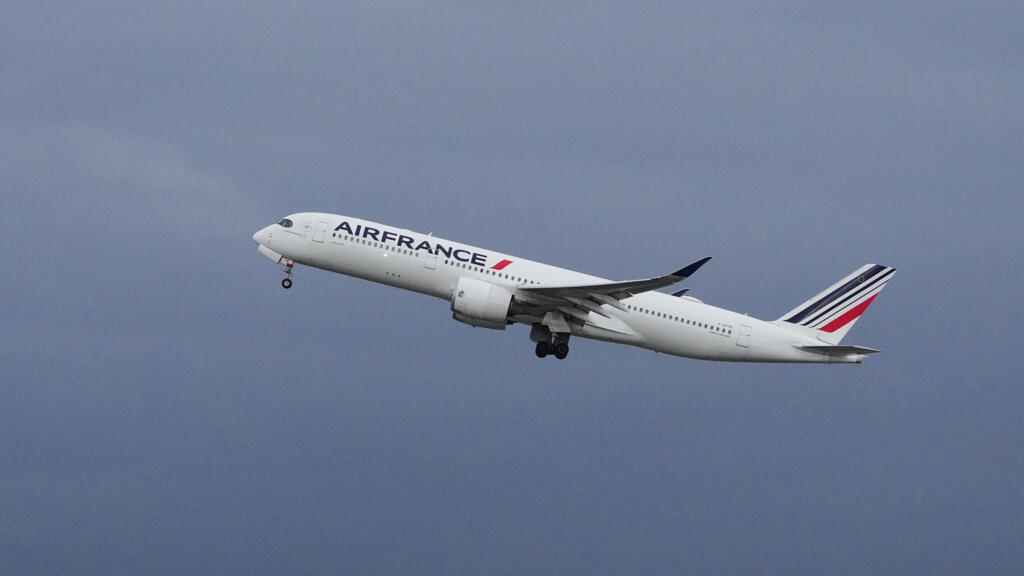
On a recent Friday, two major European airlines announced the suspension of flights to various cities in the Middle East due to escalating tensions in the region. Air France, the French national carrier, declared a temporary halt to its service to Dubai, one of the region's most important commercial hubs. Meanwhile, KLM, the Dutch airline, suspended several of its flights that were scheduled to pass over the Middle Eastern airspace. The decision by these airlines reflects growing concerns over potential conflicts and safety issues as geopolitical tensions rise.
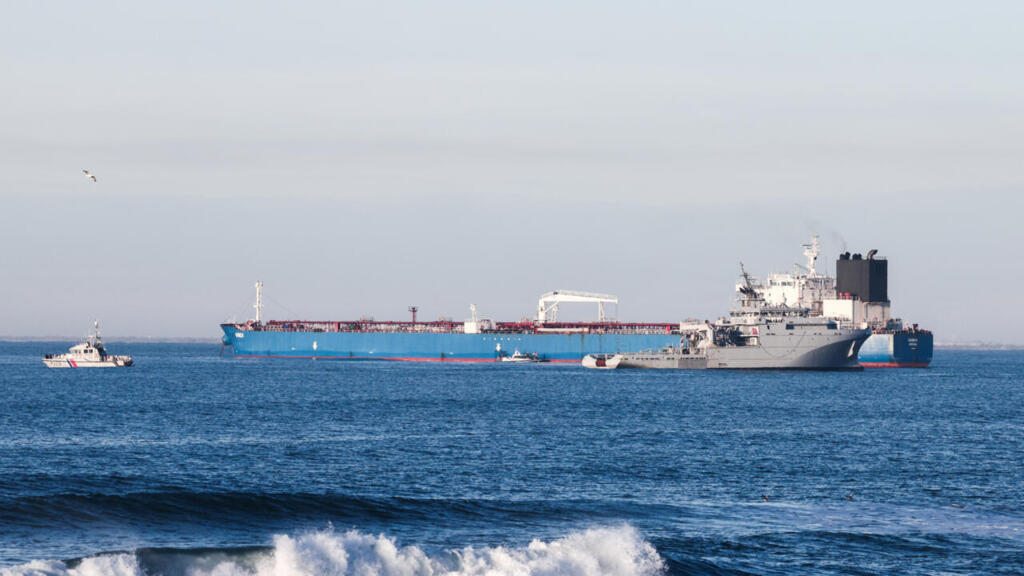
The backdrop for these airline decisions includes statements made by US President Donald Trump, who stated on Thursday that an "armada" was on its way to the Gulf region. This remark underscores the heightened military presence and vigilance of the United States concerning Iranian activities. The reference to an "armada" suggests a significant mobilization of naval forces in the area, which is already a hotspot for various geopolitical disputes.
The tensions involving the United States and Iran have been mounting in recent months, provoking responses from both nations. The U.S. administration has been closely monitoring Iran's actions, particularly in light of ongoing threats and provocations coming from Iranian leadership. This situation has significant implications not only for political stability in the region but also for international travel and commerce.
Airlines making operational changes in response to such geopolitical shifts often highlight an effort to prioritize passenger safety. Air France and KLM's decisions are seen as preemptive measures to avoid potential risks associated with flying through contested air spaces. The Middle East, in recent times, has been characterized by instability, leading aviation companies to reassess their flight routes and safety protocols.
As the situation evolves, other airlines may follow suit, further impacting air travel connectivity to and from the Middle East. This could also affect tourism and business travel, which are vital for economies in cities like Dubai and others in the region. With many travelers concerned about safety during periods of heightened tensions, airlines must strike a balance between operational viability and passenger welfare.
Additionally, the implications of U.S. military maneuvers in the Gulf could extend beyond immediate travel concerns. Should military actions escalate, there could be broader ramifications for regional stability and global economic markets, particularly in oil prices, given the significance of the Gulf region in energy supply chains.
Flight cancellations and alterations in service can lead to disruptions for thousands of passengers. Travelers are advised to stay informed about their flight statuses and any potential changes in itineraries. The decisions made by Air France and KLM serve as a reminder of how international relations can swiftly impact everyday activities, such as air travel.
Overall, the combination of air travel disruptions and military posturing presents a complex scenario for travelers and aviation companies alike, necessitating continuous monitoring and adaptability in a rapidly changing geopolitical landscape.