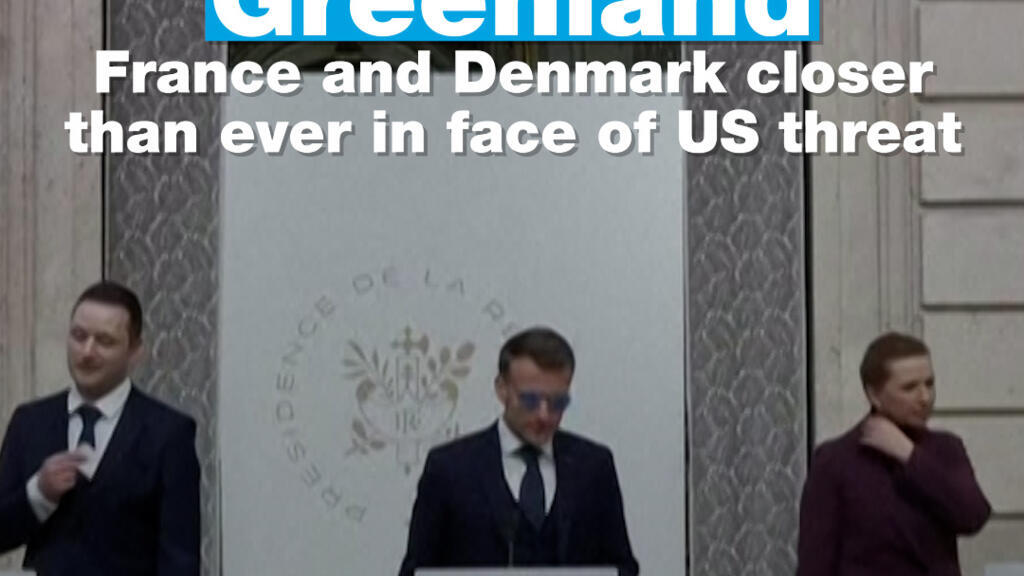
On a recent occasion, French President Emmanuel Macron addressed the ongoing geopolitical tensions surrounding Greenland, describing the standoff with the United States as "a strategic wake-up call for all of Europe." This comment was made during a joint appearance with the leaders of Denmark and the Danish autonomous territory of Greenland. Macron's remarks underscore the growing realization within Europe of its strategic vulnerabilities and dependencies, particularly in relation to U.S. foreign policy.
European Vulnerability to U.S. Influence
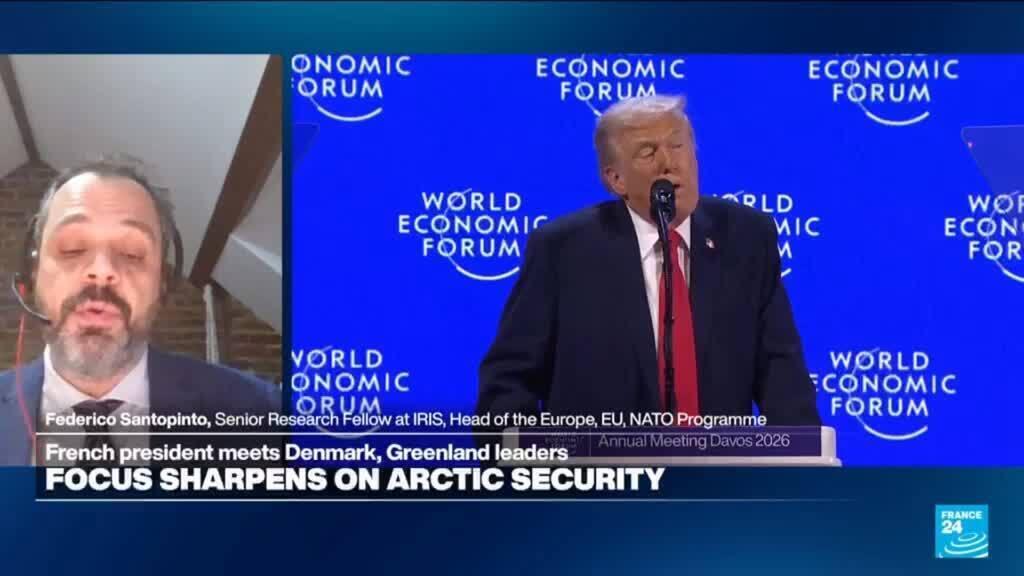
Federico Santopinto, a Senior Research Fellow at the Institute for International and Strategic Relations (IRIS), shared insights during an interview with FRANCE 24's Mark Owen. He highlighted that while Europe has experienced several "strategic wake-up calls" in the past, each new crisis reveals the continent's ongoing weaknesses. According to Santopinto, these situations underscore Europe's continued reliance on the United States for security and strategic decision-making, raising important questions about the continent's ability to assert its own geopolitical identity.
The Context of the Greenland Dispute
The tension over Greenland centers around issues of territorial sovereignty and natural resource management, particularly in light of climate change and the opening up of the Arctic region. The U.S. has historically held significant influence in Greenland due to its strategic military bases and interests in the Arctic. Macron's comments reflect a broader concern that Europe needs to take a more proactive stance in its foreign policy to better navigate these complex global dynamics.
The Need for European Sovereignty
Macron's juxtaposition of the current standoff with past strategic calls is particularly significant. It signals a pressing need for European nations to develop a unified and independent approach to foreign affairs and defense. The European Union has often been criticized for its fragmented policies, and Macron's insistence on a cohesive response is a call for solidarity among European nations. This perspective emphasizes the importance of not only strengthening diplomatic ties within Europe but also enhancing military cooperation to reduce dependencies.
Historical Lessons and Future Implications
Santopinto notes that historical lessons from Europe's past crises, such as the Balkan conflicts and the implications of NATO's expansion, have often revealed limitations in Europe's strategic autonomy. Each time Europe has faced a challenging geopolitical situation, it has struggled to find consensus and take decisive action without reliance on U.S. leadership. This pattern raises concerns about the continent's preparedness for future conflicts and its ability to assert itself on the world stage.
Conclusion
Macron's remarks about the 'strategic wake-up call for Europe' highlight the urgency for a reevaluation of the continent's geopolitical stance. As Europe continues to grapple with its dependencies, the call for greater autonomy and a unified foreign policy framework becomes increasingly significant. The ongoing standoff with the United States over Greenland serves as a reminder of the complex interplay between global powers and the need for Europe to navigate its own path forward.