British Columbia Premier David Eby recently addressed the implications of a significant ruling by the United States Supreme Court regarding global tariffs. This decision has the potential to challenge existing tariffs that adversely affect B.C.'s softwood lumber industry. While the ruling does not eliminate the long-standing anti-dumping levies on British Columbia's softwood, it does pave the way for the province to consider a legal challenge against an additional 10-percent tariff imposed last fall on national security grounds.
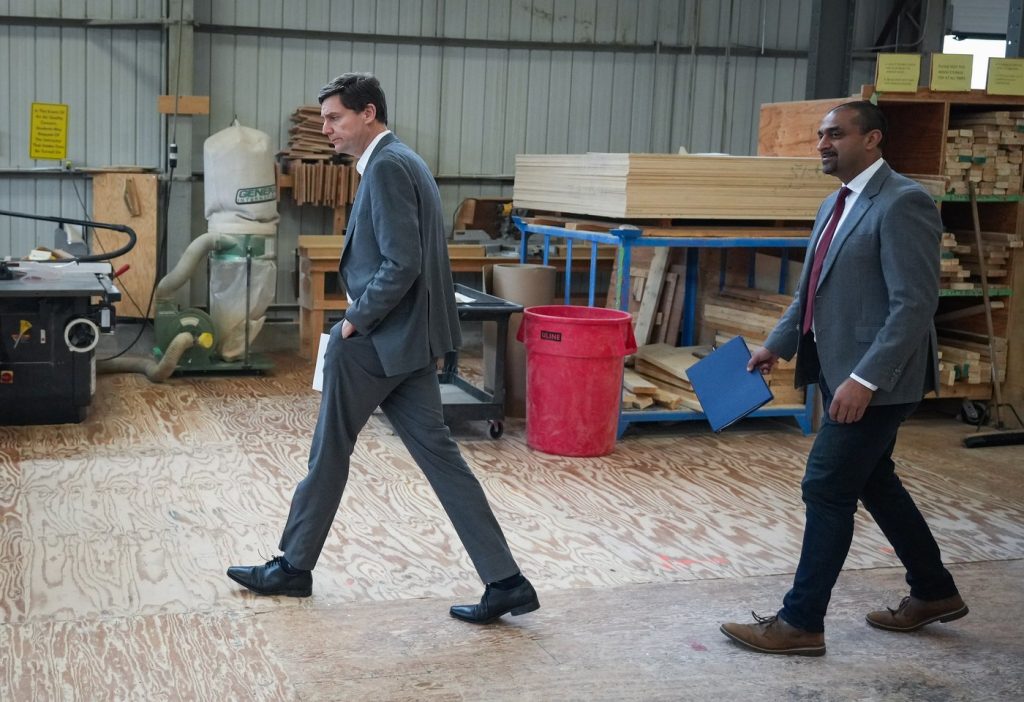
During a press conference held in Vancouver, alongside Jobs Minister Ravi Kahlon, Eby expressed optimism about the ruling's potential outcomes. He indicated that it could provide the impetus needed for the province to engage its U.S.-based legal team to explore viable options following the Supreme Court's landmark decision. Despite acknowledging that such legal pursuits typically fall under federal jurisdiction, Eby mentioned that British Columbia might choose to take a direct approach to address the tariff issues affecting its softwood lumber sector.
Eby emphasized that while it is still early to speculate on the exact steps to take, the province is committed to defending its softwood lumber industry vigorously. He stated, "If the option is available, we will pursue it and do what is necessary to defend our industry." This remark highlights the provincial government's proactive stance on ensuring the stability and success of its lumber sector in the face of challenging trade barriers.
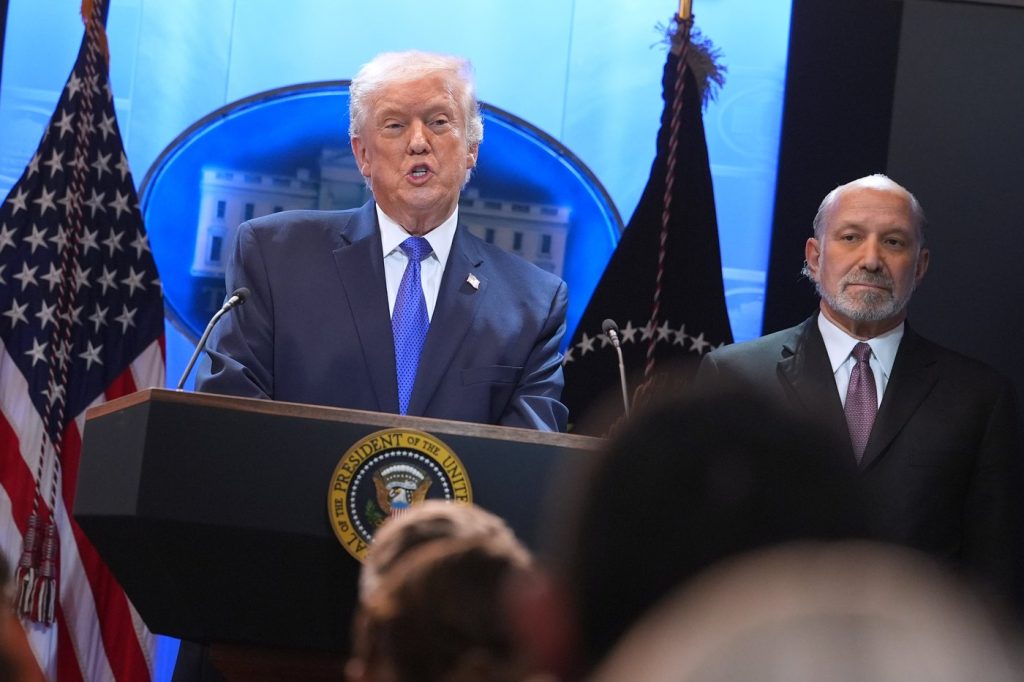
In response to the Supreme Court ruling, the Trump administration has indicated plans to impose a global tariff of 10 percent in addition to the existing levies. However, Eby took some solace in the Supreme Court's willingness to place limitations on the presidential authority concerning tariffs. Currently, various countervailing duties and tariffs imposed on British Columbia's softwood lumber industry combine to create a substantial financial burden, totaling about 45 percent.
This context underscores the ongoing complexities within trade relations between Canada and the United States, particularly concerning the softwood lumber sector, which has historically faced various tariffs and duties. The province's decision to consider a legal challenge reflects a broader strategy to mitigate the impact of these financial obstacles and protect provincial interests in an evolving trade landscape.
The situation remains fluid, and B.C. officials continue to monitor developments closely while exploring potential avenues to advocate for the softwood lumber industry. As the province assesses the implications of the Supreme Court ruling and the federal government's response, further actions may emerge as part of a strategic effort to secure favorable trade conditions.