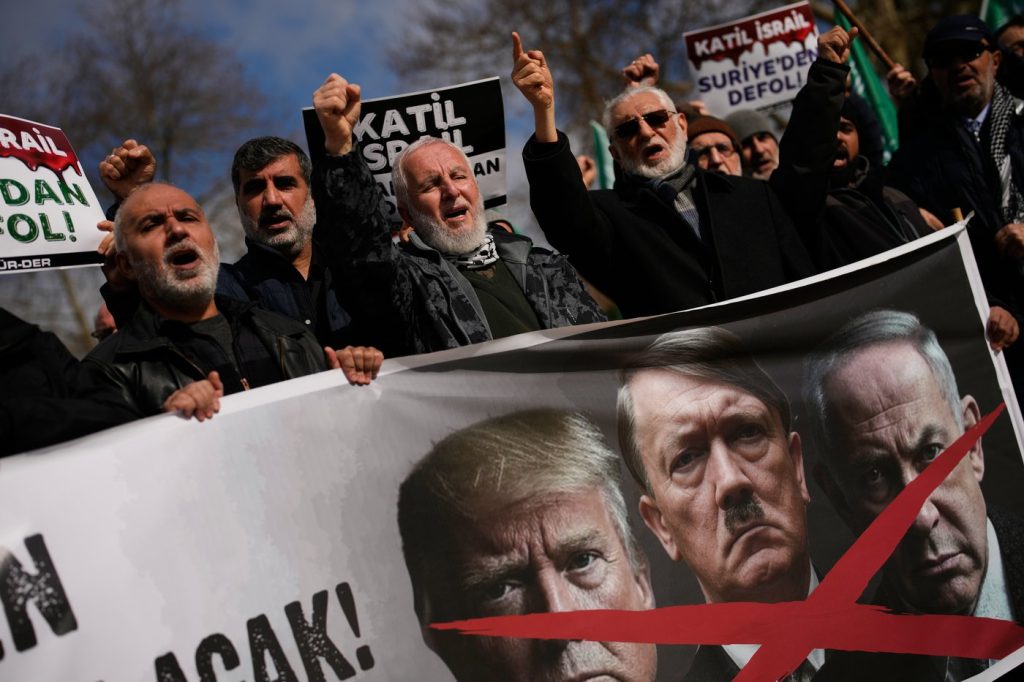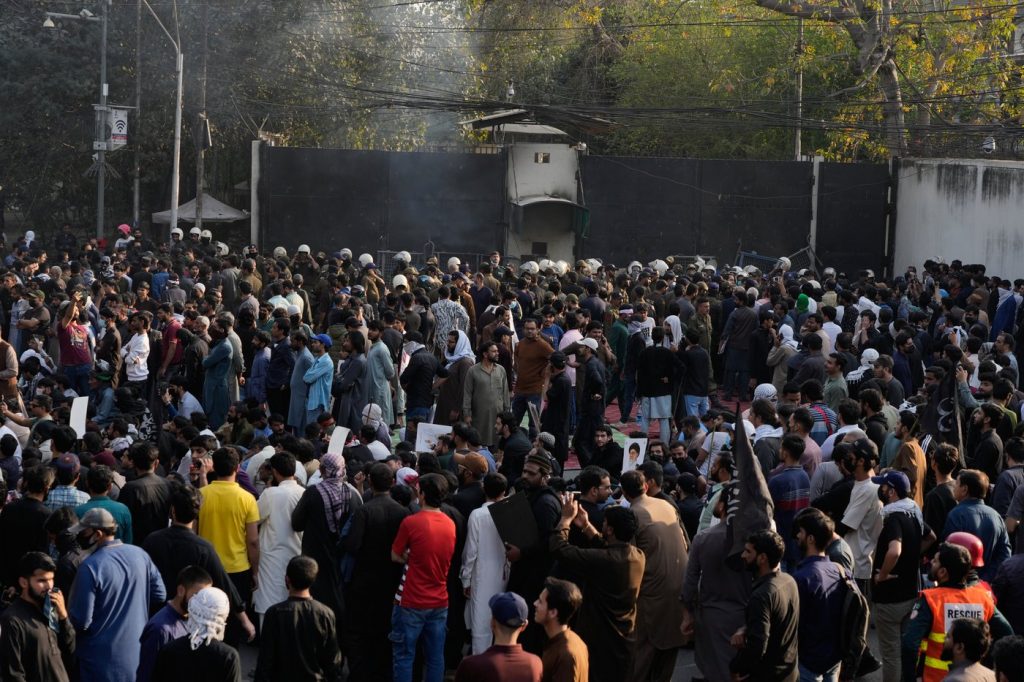
KARACHI, Pakistan (AP) Violent clashes erupted on Sunday in Karachi, Pakistan's largest city, and in the northern regions of the country, resulting in at least 22 fatalities and over 120 injuries. The violence followed protests by demonstrators who support the Iranian government, who attempted to storm the U.S. Consulate in Karachi. Reports confirmed that at least 50 individuals were wounded in the clashes, with some in critical condition.
The unrest was ignited by the U.S. and Israeli military action in Iran, which culminated in the assassination of Iranian Supreme Leader Ayatollah Ali Khamenei. In response, President Asif Ali Zardari expressed deep condolences, stating that "Pakistan stands with the Iranian nation in this moment of grief and shares in their loss."
Officials, including police and medical personnel, reported that six deceased bodies and several injured individuals were brought to the main government hospital in Karachi. Tragically, the death toll increased to 10 when four critically injured patients succumbed to their injuries. In the northern Gilgit-Baltistan region, 12 people died and over 80 were injured as protesters targeted U.N. premises in response to the strikes on Iran.
Local police officer Asghar Ali confirmed that the protests escalated, leading to attacks on the U.N. Military Observer Group and the U.N. Development Programme (UNDP) offices. Fortunately, all personnel from these organizations were reported safe. The regional government indicated that security forces had been deployed to control the situation following intense clashes that involved damage to local charity offices and the arson of police facilities.
The U.S. Embassy in Pakistan is actively monitoring the protests taking place at its consulates in Karachi and Lahore. They have advised American citizens in Pakistan to remain vigilant and avoid large gatherings. Senior police official Irfan Baloch reported a brief attack on the U.S. Consulate’s perimeter in Karachi, where protesters managed to smash windows and set fire to a nearby police post.
Further unrest was seen in Islamabad, where police had to use tear gas and batons to disperse hundreds of demonstrators who attempted to reach the U.S. Embassy. In Peshawar, authorities faced similar challenges, employing riot control measures against thousands of protesters. Conversely, a peaceful rally occurred in Multan, a city in Punjab province, where demonstrators expressed their opposition to U.S. and Israeli actions.
The protests in Lahore saw continuous clashes as many demonstrators vented their outrage over Khamenei's killing. Police had heightened security around the U.S. Embassy and its other consulates throughout the country to prevent the situation from escalating any further. Interior Minister Mohsin Naqvi appealed for calm, urging protesters to express their grievances peacefully, noting that "every citizen of Pakistan shares in the grief of the people of Iran." He also warned against unlawful behavior and violence.
As these protests continue across various regions in Pakistan, including Karachi, Islamabad, Lahore, and Peshawar, the situation remains tense, with calls for further action against U.S. and Israeli authorities. The violent scenes showcase the heightened anger over the geopolitical developments involving Iran and the impacts it has had on public sentiments in neighboring Pakistan.