On February 28, 2026, demonstrators worldwide took to the streets following a significant military strike by the United States and Israel against Iran. This military action sparked a mix of protests and rallies in various cities, highlighting deep divisions in public opinion regarding the conflict. Some gatherings expressed strong support for the strikes, while others condemned the actions and raised concerns about the broader repercussions for regional stability.
In Los Angeles, a significant demonstration was held on the day of the strikes, with many attendees showcasing their views on the issue. One striking image from this gathering featured Pegah Jalili, a 52-year-old Iranian expatriate, waving a U.S. flag emblazoned with Donald Trump’s image. Jalili, who arrived in the United States in 1996 as a student and was granted political asylum, expressed her worries not just for her own family in Iran but for the entire Iranian population, underscoring the emotional impact of the conflict on individuals.
The atmosphere of mourning was palpable in multiple locations across the Middle East. In Baghdad, Iraq, a symbolic funeral for the late Iranian Supreme Leader Ayatollah Ali Khamenei took place where Iraqi Shiites held his portraits, paying homage in the aftermath of his death due to the airstrike. Similarly, in southern Beirut, Lebanon, Hezbollah supporters gathered to mourn Khamenei, signifying the strong ties and sense of grief felt within the Shiite community.
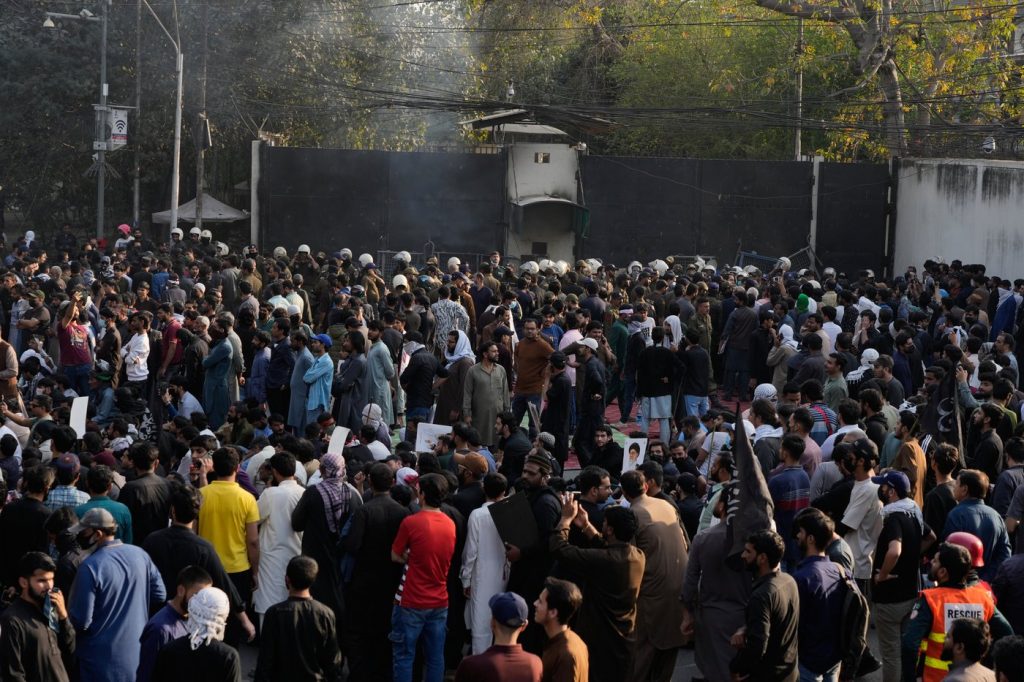
As demonstrations unfolded internationally, many protesters expressed anger and sorrow. In Yerevan, Armenia, police detained a woman displaying a flag with the portrait of the previously overthrown Iranian Shah Mohammad Reza Pahlavi during a pro-strike protest outside the Iranian Embassy. In sharp contrast, protests condemning the attacks emerged in various countries, with Shiite Muslims in Lahore, Pakistan, chanting denunciations of Khamenei's killing.
The response in Europe was equally pronounced. Demonstrators gathered outside the Iranian Embassy in central London, visibly supporting the strikes, echoing sentiments similar to those expressed in Berlin, where Iranian expatriates rallied in front of the iconic Brandenburg Gate. In Tbilisi, Georgia, a demonstration of solidarity with the strikes drew Iranian supporters, indicating a broader support network across different nations.
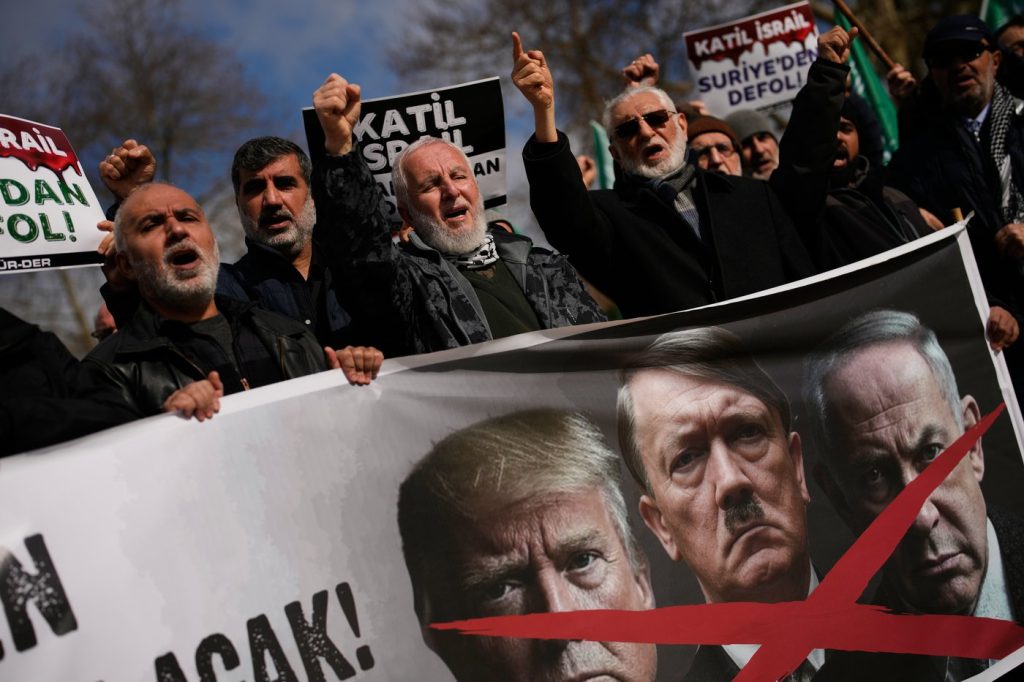
As the situation continued to evolve, the reactions from the international community varied widely. Several gatherings showcased support for the military actions taken against Iran, while others reflected the fear of potential escalation into broader conflict. Protesters in Istanbul chanted slogans bearing Khamenei's image, illustrating the depth of feeling and complexity surrounding the incident. Similarly, demonstrations in Indian-controlled Kashmir highlighted the regional ramifications of the airstrikes, with mourners lamenting the loss of the Iranian leader amidst tensions surrounding U.S. and Israeli policies.
The collective demonstrations represented both celebration and mourning, demonstrating how deeply intertwined public sentiment is with international politics. The polarizing views among the demonstrators point to a critical juncture in geopolitical dynamics, signaling both support for military intervention by some and apprehension about its consequences from others. The events following the U.S. and Israeli strikes on Iran emphasize the intricate connections between national policies and the reactions they elicit from global citizenry, resulting in a complex tapestry of opinions and emotions spread across cities worldwide.