The ongoing conflict initiated by Washington against Iran is projected to have significant ramifications for the Canadian economy and security landscape. As articulated by Stephen Saideman, a defence expert at Carleton University, this conflict is expected to have pervasive impacts, ranging from economic downturns to heightened risks of terrorism.
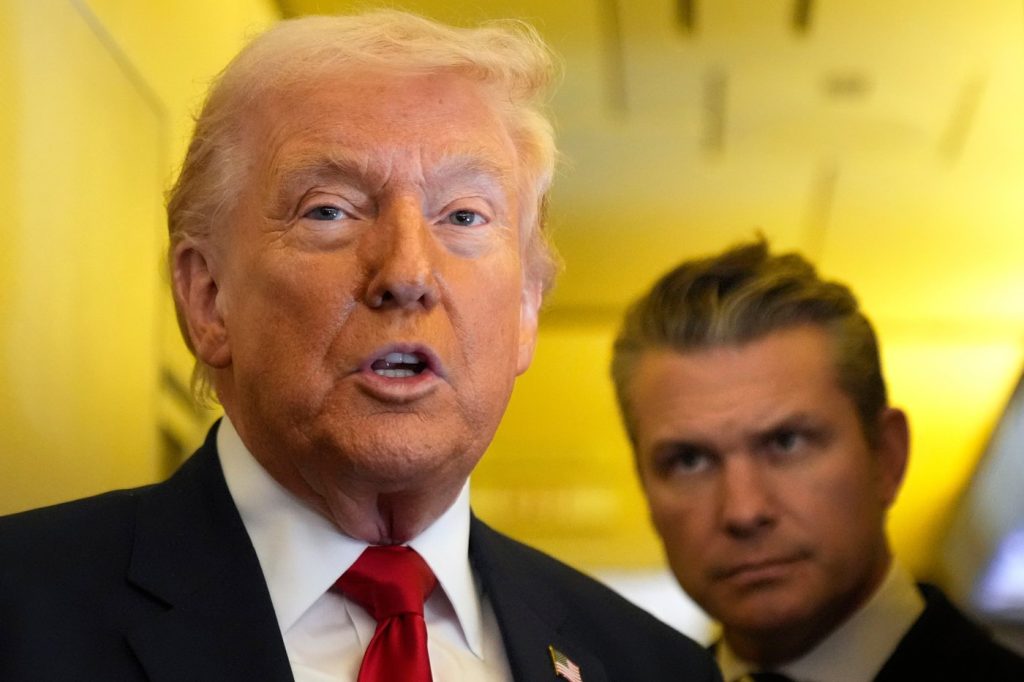
One major potential consequence could be an oil boom in Canada. With global fuel supplies already strained, especially through the vital Strait of Hormuz—where nearly 20% of the world’s oil passes—market dynamics are shifting. U.S. President Donald Trump’s proposed military patrols to safeguard tankers could lead to increased oil prices, potentially benefiting Canadian crude oil demand. TD Bank economist Marc Ercolao noted a sharp rise in gasoline prices, indicating that further increases are likely, while National Bank analyst Cameron Doerksen warned of rising jet fuel prices affecting travel costs in Canada.
Another significant concern lies in food prices. Fen Osler Hampson, an international affairs professor, highlighted that wars occurring near the fall harvest often disrupt agricultural supply chains—particularly for fertilizers and petrochemicals critical in food production. This disruption, compounded by climate change uncertainties, threatens to escalate grocery prices across Canada, as any rise in global energy prices gets reflected in consumer costs due to increased shipping challenges.
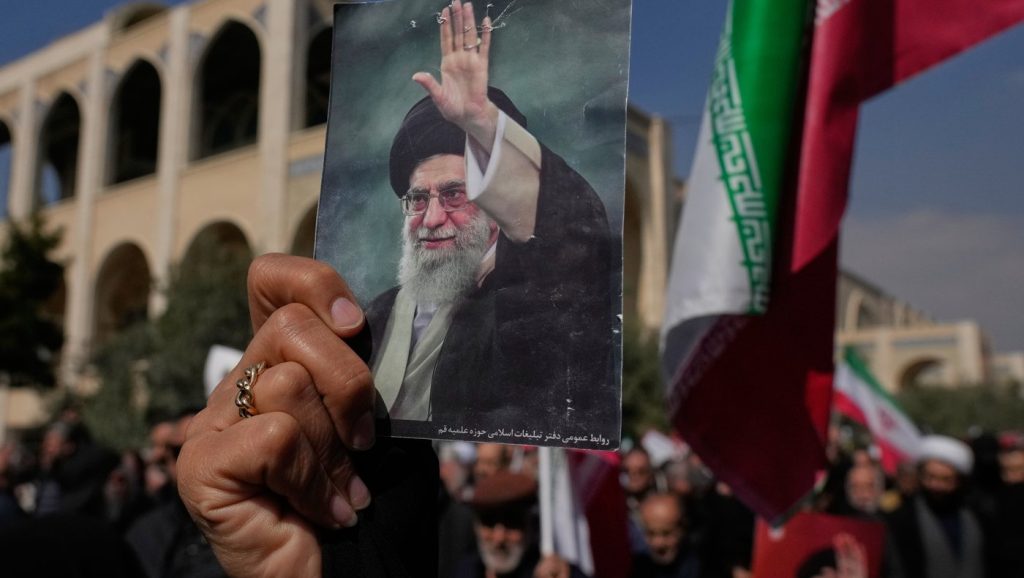
On the security front, the Canadian Association of Chiefs of Police has indicated no immediate threats against Canada. However, geopolitical tensions can foster environments where extremist factions might exploit the situation. Thomas Juneau from the University of Ottawa emphasized the risk of transnational repression initiated by the Iranian regime, especially as its grip on power weakens. Reports have emerged of violence directed toward Iranian dissidents, evidenced by bullets fired at a gym used for protests against the regime, raising alarm about potential retaliatory actions in Canada.
The civil strife within Iran could lead to widespread inter-communal violence among various ethnic groups, which may have repercussions for Iranian diaspora communities in Canada. As Hampson noted, any unraveling of Iran could trigger ethnic conflicts that might reverberate internationally. Countries will be keenly observing Canada’s response to any violent acts by Iranian forces, especially after incidents like the bombing of a girls' school.
There are also concerns about the possibility of Canada being drawn into military interventions in the Middle East. Prime Minister Mark Carney has not dismissed the hypothetical notion of Canadian military involvement. Tensions within NATO over the approach to Iran mean such involvement might not materialize, though the U.S. could apply pressure for Canadian naval assets to support operations in the pivotal Strait of Hormuz.
In a broader context, the conflict could distract the U.S. from other global challenges, such as Russia's actions in Ukraine and its maneuvers in the South China Sea. This reallocation of focus raises concerns regarding Canada’s military commitments in Europe and whether assets might be shifted in response to escalating tensions elsewhere.
Moreover, the consequences of this conflict could extend to efforts by other nations to accelerate nuclear capabilities in light of perceived threats. Saideman cautioned that countries could prioritize nuclear ambitions to ensure immunity from similar attacks as seen with Iran, thereby altering the nuclear landscape significantly.
Lastly, while there is hope among segments of the Iranian diaspora for an end to the oppressive regime, skeptics warn that U.S. policy could follow a pathway similar to Venezuela's, where democratic beliefs were sacrificed for stability. Hampson noted the persistent dilemma for Canada regarding interventions; while there is a moral imperative to protect populations from brutal regimes, discussions on military engagement often face significant scrutiny, particularly in international arenas like the United Nations.