Energy Markets in Uncharted Waters
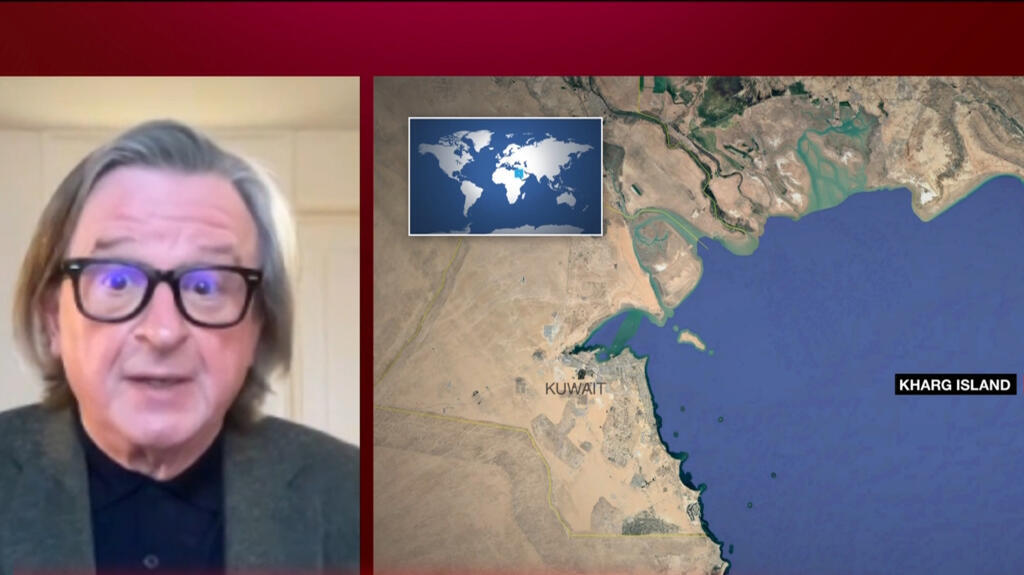
In a recent discussion on FRANCE 24, host François Picard interviewed Jon Marks, an author and political scientist with extensive experience in energy markets. Marks, who serves as the chairman and founder of Cross-border Information, expressed deep concerns regarding the current energy crisis, highlighting its unique characteristics that differentiate it from previous shocks.
Marks emphasized that the ongoing crisis in the energy sector is unlike any other historical event. He pointed out that traditional models and frameworks for understanding energy market fluctuations are proving inadequate in the face of the present challenges. The complexities of the situation are compounded by geopolitical tensions, supply chain disruptions, and the acceleration of climate change, all of which create a multifaceted crisis that is difficult to navigate.
The discussion touched upon the ramifications of the COVID-19 pandemic, which has fundamentally altered global energy demands and market dynamics. Marks noted that the pandemic led to an unprecedented dip in energy consumption, which was quickly followed by a sharp rebound as economies began to reopen. This rollercoaster effect has made it challenging for energy producers and consumers alike to plan for the future, resulting in turbulent price fluctuations.
Moreover, Marks articulated the implications of the current geopolitical landscape, particularly the ongoing conflict in Ukraine. The war has dramatically impacted energy supplies, particularly in Europe, where reliance on Russian gas has forced nations to search for alternatives at a breakneck pace. This scramble for energy diversification has led to a surge in prices, exacerbating the economic strain on consumers and businesses alike.
In addition to geopolitical factors, Marks also discussed the critical issue of climate change, which is influencing energy policies and market trends globally. As countries pledge to transition to cleaner energy sources, the urgency to implement renewable technologies is at an all-time high. However, the transition comes with its own set of challenges, particularly in terms of infrastructure and investment. Marks underscored that while the shift toward sustainable energy is necessary, it must be carefully managed to avoid exacerbating existing vulnerabilities in the energy markets.
The interplay of these various factors has created what Marks describes as "uncharted waters," with unpredictable consequences for both energy producers and consumers. He cautioned that the current crisis requires innovative solutions and a collaborative approach among countries to stabilize the markets and ensure energy security.
As the interview progressed, Marks called for a reevaluation of current policies and strategies pertaining to energy management. He argued that a more resilient framework is needed to cope with the emerging realities of the energy landscape, which would include not just a greater emphasis on renewables but also a more integrated and cooperative approach among nations.
In conclusion, Jon Marks provided invaluable insights into the evolving energy crisis, framing it as a moment of significant transformation for the global energy markets. His observations about the intertwined nature of geopolitical, economic, and environmental issues serve as a crucial reminder of the complexities that lie ahead. As nations grapple with these challenges, the need for adaptive strategies and international cooperation has never been more critical.