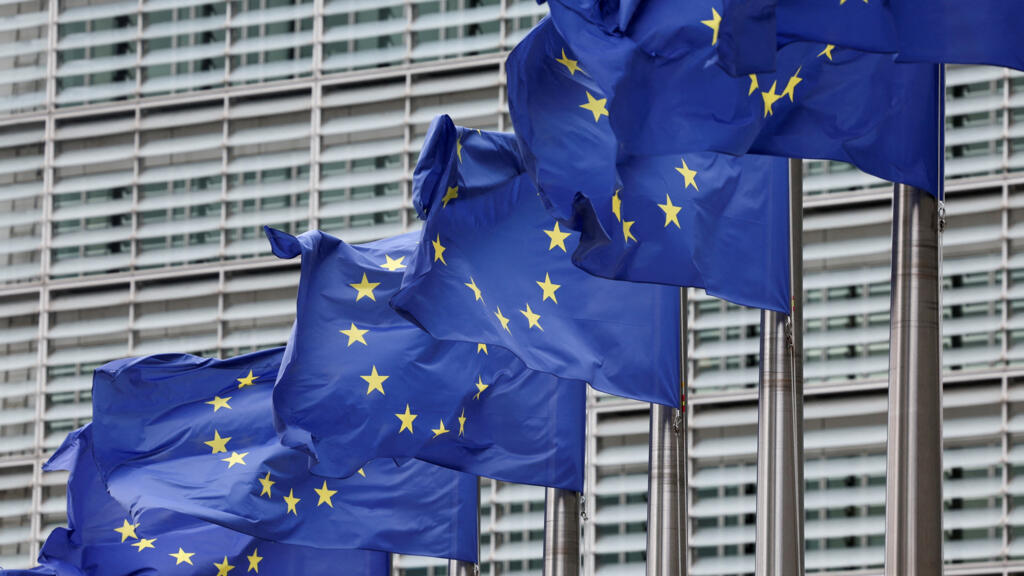
The European Union (EU) is currently deliberating on various strategies to ensure the security of the Strait of Hormuz, amid rising energy and commodity prices exacerbated by an ongoing conflict involving Iran, Israel, and the United States. The situation has reached a critical point as the war enters its third week, heightening the urgency for a coordinated response from international players.
On Monday, the bloc's foreign ministers convened in Brussels, reflecting the EU's commitment to addressing the geopolitical complexities that threaten vital shipping routes. The Strait of Hormuz, a narrow passage through which approximately 20% of global oil traded by sea transits, is indispensable for maintaining energy security worldwide. With tensions escalating in the region, the potential for disruptions in this critical chokepoint has become a pressing concern for not only the EU but also other nations heavily reliant on oil and gas imports.
US President Donald Trump has taken a proactive approach by reaching out to key allies, including France, China, Japan, South Korea, and Britain, urging them to collaborate on measures that would secure the Strait for global shipping. His call for action underscores the shared responsibility among nations to ensure maritime stability, especially given the strategic importance of this waterway. The ongoing conflict in the region has already led to escalated military posturing and has raised fears of potential blockades or attacks on shipping vessels.
The EU's discussions in Brussels aim to assess the collective capabilities of member states to respond to these challenges effectively. Among the options on the table are increased naval patrols in the region, diplomatic efforts to de-escalate tensions between the involved nations, and possible economic sanctions directed at entities perceived as threats to maritime safety.
Moreover, the bloc is also exploring partnerships with non-EU nations that share an interest in maintaining open trade routes. The collaborative approach emphasizes the need for a united front not only to secure the Strait of Hormuz but also to stabilize the broader geopolitical landscape affected by the conflict.
The situation necessitates prompt and decisive actions from the EU and its allies, with various stakeholders closely monitoring developments. The rising prices of energy and commodities resulting from the turmoil could have far-reaching implications on economic stability not just in Europe, but around the globe. As the EU foreign ministers deliberate the best course of action, they are acutely aware of the economic repercussions that may arise should the Strait of Hormuz face continued threats.
In conclusion, the urgency of the discussion in Brussels reflects the significance of the Strait of Hormuz and the vital need for collaborative international efforts to prevent further destabilization. The dynamics in the region not only affect geopolitical relations but also have direct implications on global energy markets, underscoring the interconnected nature of international trade and security. The coming days will be pivotal as the EU and its allies work to devise a comprehensive strategy that ensures the continued security of this essential maritime corridor, safeguarding global commerce.