Analysis of Voter Turnout in Recent French Municipal Elections
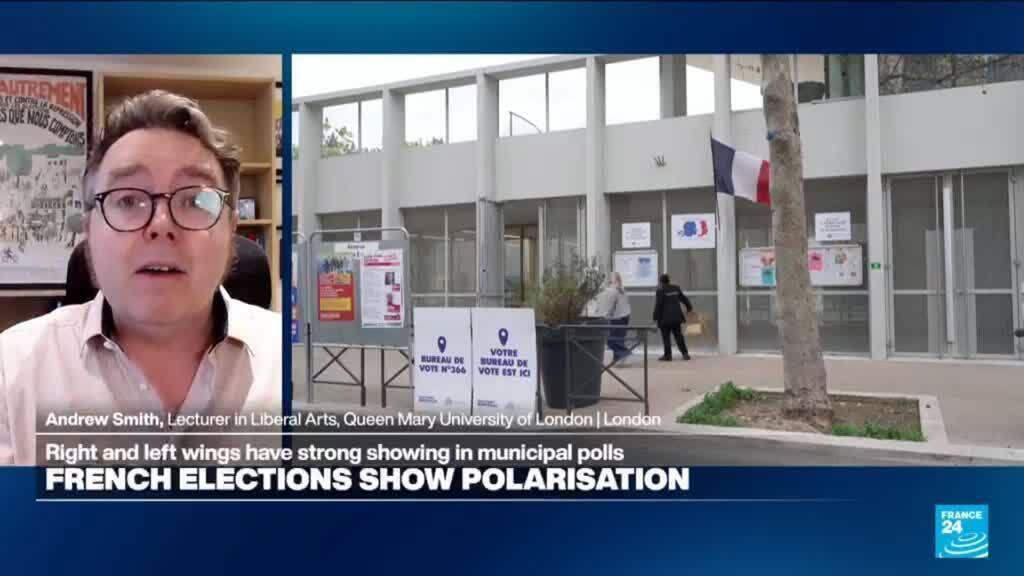
France has witnessed its lowest voter turnout in municipal elections since the onset of the COVID-19 pandemic. Dr. Andrew Smith, a historian of modern France and a lecturer at Queen Mary University of London, emphasizes that the most significant aspect of these elections is not the performance of any political party but rather the unprecedented level of voter abstention. With approximately 44% of eligible voters opting not to participate, the turnout reflects a concerning drop compared to past decades, where participation rates often exceeded sixty percent and occasionally approached eighty percent, especially during the 1980s.
This decline in voter turnout raises important questions about the current political climate in France and the factors contributing to voter disengagement. Dr. Smith notes that the substantial abstention rate signals a disconnection between the electorate and the political system. Many citizens may feel that their votes do not influence the outcomes, leading to apathy and a sense of disenfranchisement. This disconnect could stem from various factors, including dissatisfaction with political parties, economic concerns, or broader social issues that have arisen in recent years.
The historical context of voter turnout in France provides a stark contrast to the current scenario. Over the years, political participation in France has generally been higher than in many other countries. However, the dramatic shift seen in the latest elections signals a potential crisis in civic engagement. Participation rates above sixty percent were common in the early 2000s, and the 1980s even saw figures nearing eighty percent. Such levels of engagement reflect a society that is actively involved in the democratic process, a stark contrast to the passive stance many voters took in the recent municipal elections.
Furthermore, Dr. Smith points out that the implications of low voter turnout are far-reaching. When a significant portion of the electorate abstains, it can skew the representation of public opinion. This phenomenon can lead to the election of candidates or parties that do not truly reflect the desires and needs of the populace. Political leaders may take office with a mandate that lacks legitimacy if the majority of the voting population has not expressed their choice through participation.
The COVID-19 pandemic has undoubtedly altered the landscape of political engagement in France, as it has in many countries. The measures taken to contain the virus, including lockdowns and health restrictions, may have contributed to the decline in voter turnout. Citizens may be hesitant to participate in elections due to concerns over health and safety or may feel that the importance of exercising their democratic right has diminished amidst the global crisis.
In addition to health concerns, the political atmosphere in France has also been affected by widespread public protests and social movements, which reflect underlying tensions in society. Issues such as economic inequality, immigration policies, and climate change have dominated discourse, and the resultant unrest may have further disillusioned voters from engaging in traditional electoral processes. For many citizens, direct action through protests may seem a more effective means of expressing discontent than participating in elections.
Dr. Andrew Smith's insights into the recent municipal elections in France shed light on the critical issue of voter turnout and its implications for the health of democratic governance. As President Macron’s administration continues to navigate these turbulent waters, the challenge will be to renew public interest and restore trust in the political system. Engaging with the electorate to understand their needs and concerns will be essential for reversing the trend of abstention and fostering a vibrant democracy in the years to come.