HAVANA - Cuba faced an islandwide blackout on Monday due to worsening energy and economic crises, affecting its population of approximately 11 million. The Ministry of Energy and Mines reported a "complete disconnection" of the country's electrical system, stating that there were no failures in the operational units when the grid failure occurred.
Lázaro Guerra, the ministry's electricity director, announced that efforts were underway to restart several thermoelectric plants, essential for restoring power. He emphasized the need for a gradual approach to avoid further setbacks, as weak systems are highly prone to failure.
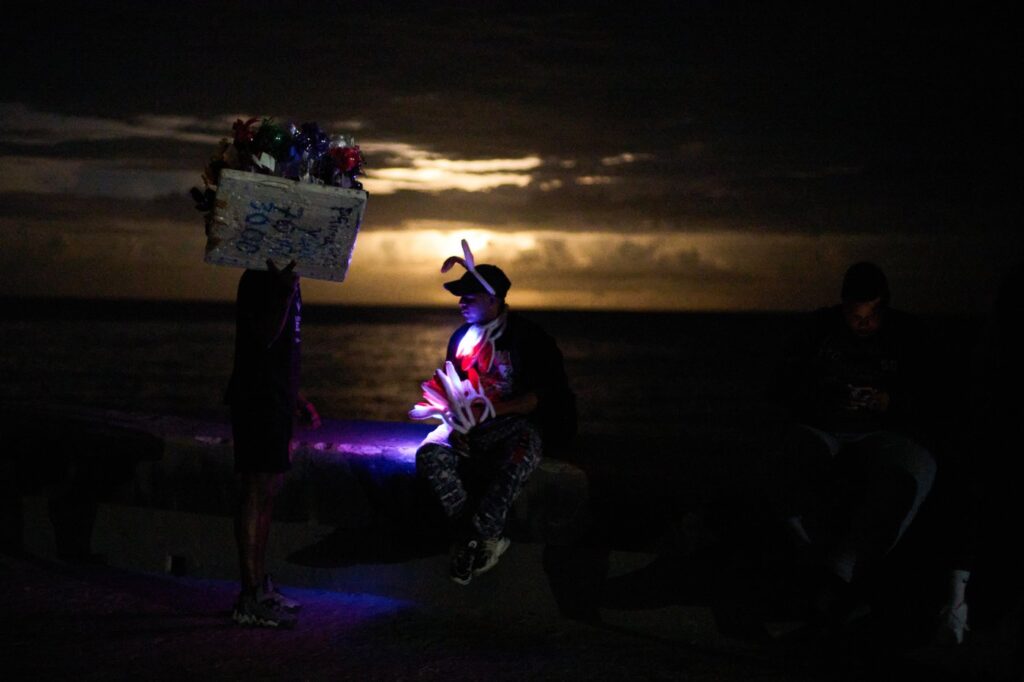
As darkness descended, families began using candles for light. Yuneici Cecilia Riviaux described her situation in a dark Havana home, explaining her lack of a rechargeable fan or generator, leading her to prepare a mattress for her children to sleep in their living room. This blackout marked the third significant outage in Cuba in the last four months.
Residents like Tomás David Velázquez Felipe expressed their frustrations with the frequent outages, suggesting that those who can should consider leaving the island, highlighting how food spoils without power and lamenting the enduring suffering of the older population. By late Monday, state-run outlets reported only 5% of Havana’s residents had their power restored, translating to approximately 42,000 customers and several hospitals across the island. Officials indicated that restoring communications would be prioritized next but warned that the limited circuits could fail again.
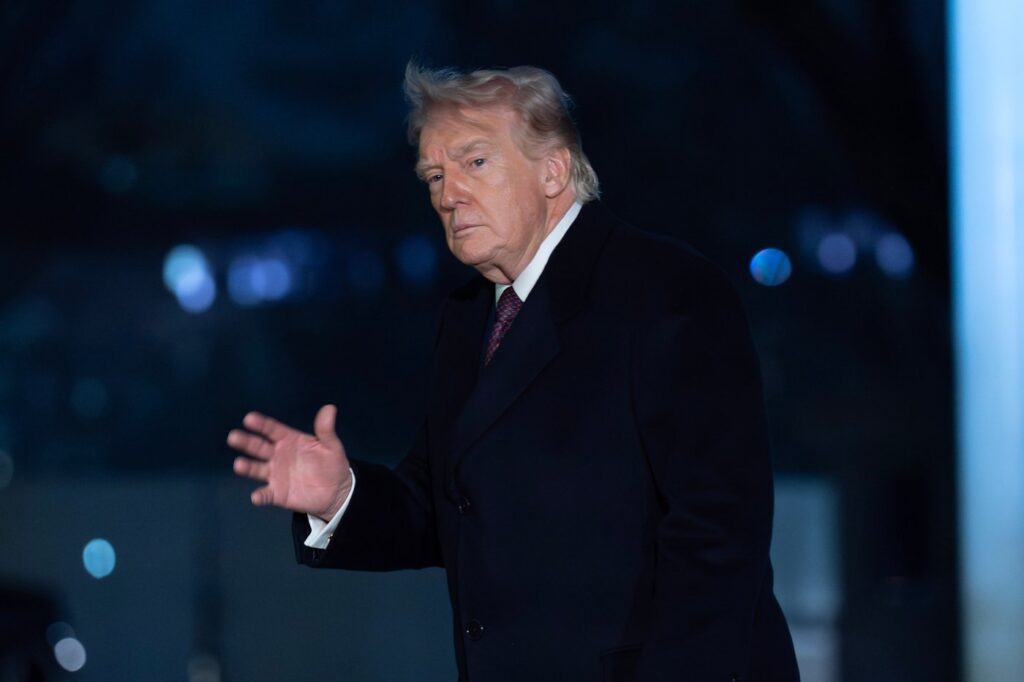
Cuba's aging electrical grid has suffered a significant decline in maintenance, leading to recurring daily outages and escalating blackouts. The government attributes some of its challenges to the U.S. energy blockade, particularly following threats from former U.S. President Donald Trump regarding tariffs on countries supplying oil to Cuba. Trump's administration has been pressing for political reforms in Cuba while expressing a desire for regime change. He openly stated a belief in potentially reclaiming control over Cuba.
William LeoGrande, a professor at American University, noted that Cuba's energy infrastructure is in dire condition, having surpassed its useful lifespan. He remarked that the technicians attempting to maintain the grid operate under challenging circumstances. LeoGrande warned that unless Cuba drastically reduces its consumption and increases renewable energy resources, the situation could lead to further societal collapse and mass migration.
The Cuban president, Miguel Díaz-Canel, revealed that the island has gone without oil shipments for three months and is solely reliant on solar power, natural gas, and thermoelectric plants. Due to this energy crisis, the government has postponed surgeries for tens of thousands of patients. Residents like Yaimisel Sánchez Peña expressed disdain for the spoiled food situations caused by the outages, which also burdens elderly family members. Another resident, Mercedes Velázquez, shared her sentiments, indicating that food waste has become an everyday concern.
The power crisis is exacerbated by significant outages, including a recent one that left large areas without power. Oil shipments from Venezuela, crucial for Cuba's energy needs, have been disrupted following U.S. interventions. Though Cuba manages to produce 40% of its petroleum, it remains insufficient for the current demand and degraded electric grid. Additionally, the government lacks the financial resources needed to import spare parts necessary for upgrading its energy infrastructure.
Óscar Pérez-Oliva Fraga, the deputy prime minister for Trade and Foreign Investment, acknowledged the limitations of the U.S. embargo while announcing new measures to allow Cubans abroad to invest in private businesses within Cuba. This includes establishing partnerships with private companies and the ability to open foreign currency bank accounts in Cuban banks to facilitate transactions. The government aims to invigorate its economy amid the ongoing crises while working towards shorter-term fixes.