Cuba is experiencing a severe economic crisis, exacerbated by political tensions with U.S. President Donald Trump. This turmoil has led to widespread uncertainty about the island's future. Recently, Cuba has faced significant power outages, with a blackout occurring this week marking the third major failure of its power grid since December. This situation has prompted Trump to imply that he might have the "honor of taking Cuba."
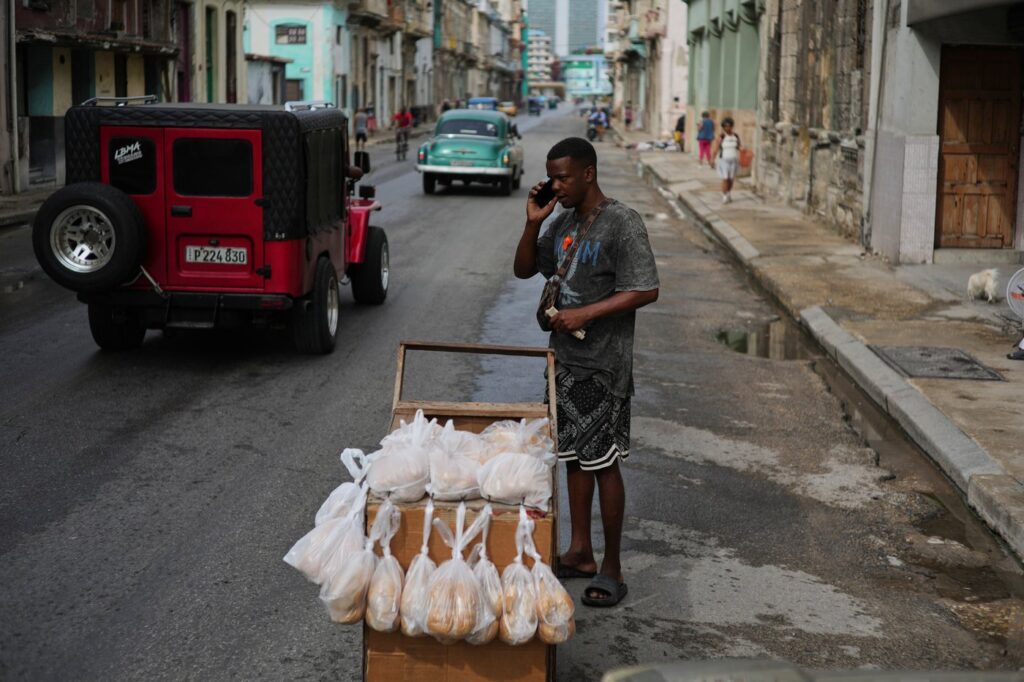
During a discussion on the matter, Trump stated, "I mean, whether I free it, take it. I think I could do anything I want with it." The U.S. energy blockade has severely impacted Cuba, ceasing oil shipments to the island for over three months. As a result, many of Cuba's 11 million residents are struggling to preserve food, hospitals have been forced to cancel surgeries, and major educational institutions have reduced class offerings due to ongoing power outages and transportation issues.
The ongoing blackouts have been described by U.S. leaders as indicative of the Cuban government's inability to meet the basic needs of its population. On March 17, Trump discussed the situation with Secretary of State Marco Rubio, who emphasized that Cuba's current political system cannot rectify the nation's problems. Rubio asserted that substantial changes are necessary for the country.
The U.S. administration is leveraging economic pressures as part of a campaign for political change in Cuba, demanding the release of political prisoners and movements toward liberalization in exchange for lifting sanctions. Trump has suggested that Cuba's government may soon collapse and has hinted at the possibility of a "friendly takeover" following the ousting of former Venezuelan President Nicolás Maduro.
Discussions between the U.S. and Cuba have been ongoing. Cuban President Miguel Díaz-Canel acknowledged these talks last week, indicating they aim to address "bilateral differences" between the two nations. Trump has also cautioned that top Cuban officials should be wary of facing a fate similar to Maduro's, who was arrested during a U.S. military operation in January.
Fuel shortages have critically affected Cuba's ability to generate electricity. The island has seen a decline in oil supplies after the U.S. removed Maduro from power, which halted vital petroleum shipments. Trump threatened tariffs on any country supplying Cuba with oil, forcing the nation to rely on its own natural gas, solar power, and limited oil for thermoelectric plants, which has proven insufficient to meet growing demand.
These challenges have led to severe repercussions for Cuban society. Public transportation has suffered from route reductions, gasoline is now strictly rationed, and health services are nearing collapse. This situation has only worsened an existing shortage of basic necessities such as food and medicine.
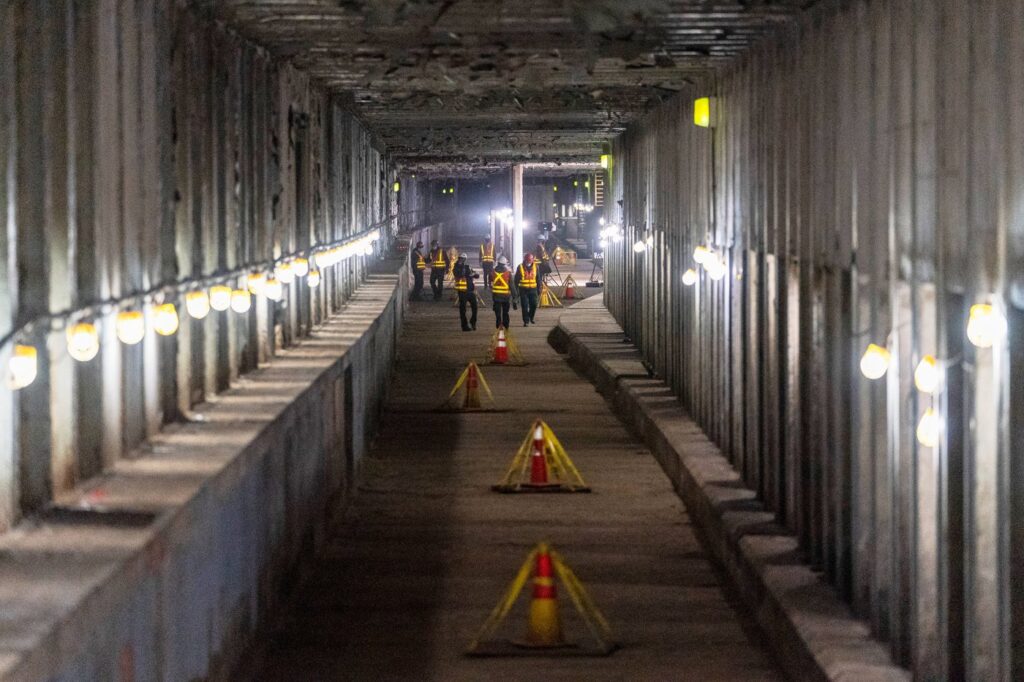
Regular power outages have become a daily occurrence in Cuba due to the deterioration of the power grid and the poor condition of thermoelectric plants resulting from insufficient maintenance. U.S. sanctions have made it difficult for the Cuban government to acquire new equipment and parts necessary to improve infrastructure. Furthermore, fuel shortages have further hampered power generation.