PARIS (AP) – U.S. President Donald Trump is demanding assistance from allies in the midst of the Iran war, suggesting that it is time for them to repay the decades of U.S. security guarantees. His assertive stance comes after a series of refusals from European nations to support his call for their military involvement, indicating a notable decline in goodwill towards Trump from long-standing allies.
Throughout his presidency, Trump has exerted pressure on allies over various issues, including tariffs and disputes regarding Greenland, often disparaging their contributions alongside American forces in conflicts like Afghanistan. Now, with heightened tensions in the Middle East, he is not merely requesting but demanding that allies send warships to help secure the Strait of Hormuz, a vital passage for global oil trade, effectively calling for them to assist in the fallout of the conflict initially instigated by the U.S. and Israel.
The response from European allies has been largely negative, described metaphorically as a "global raspberry" by prominent French defense analyst François Heisbourg. Notably, the United Kingdom has outright rejected involvement in the war, while France has stated that military involvement would only be considered once the fighting subsides. Other nations have chosen not to commit, while China remains unresponsive to Trump's overtures for assistance.
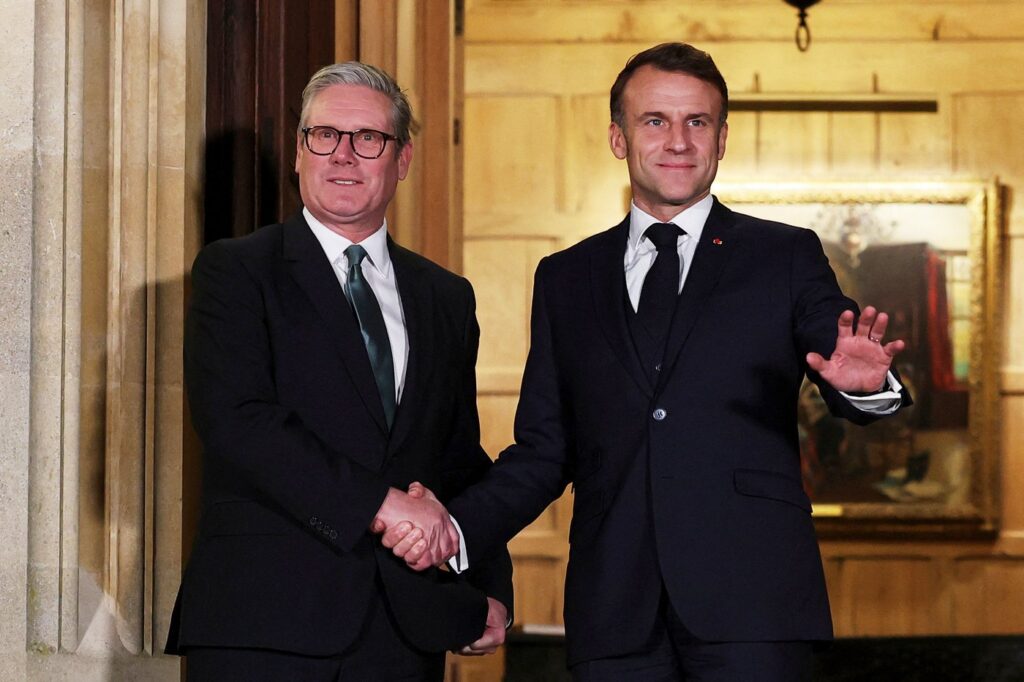
European Union foreign policy chief Kaja Kallas emphasized that Europe does not view this war as its own and criticized the lack of prior consultation. Trump's frustration with the U.K. is particularly pronounced; British Prime Minister Keir Starmer, who previously fostered relations with Trump, is now resistant to engaging in a conflict perceived as lacking a clear resolution. Trump had characterized the U.K. as the "Rolls-Royce of allies," but expressed disappointment at their lack of enthusiasm in contributing to the U.S. effort.
The refusal to engage militarily reflects a broader sentiment among European leaders, many of whom now question the value of mere compliance with Trump's demands. According to Lt. Gen. Ben Hodges, a former commanding general of the U.S. Army in Europe, allied nations are reconsidering their relationships with the U.S., indicating a shift in perception that could be detrimental to American interests. This shift is exacerbated by Trump's unilateral approach towards the conflict, which aligns with his "America first" philosophy and has previously alienated European partners.
German Defense Minister Boris Pistorius reiterated that this conflict did not originate from Europe and advocated for a diplomatic resolution rather than military escalation. French President Emmanuel Macron has suggested that any naval presence in the Strait would need to follow a reduction in hostilities. France is preparing for a potential mission, contingent upon diplomatic talks with Iran.
The strained relationships between the U.S. and its allies have been further impacted by Trump's recent demands, including the contentious issue of Greenland and tariffs against several European countries. Moreover, Trump's dismissive rhetoric towards allied troops’ contributions in conflicts has bred resentment and reluctance to support U.S. initiatives, indicating that European partners are unwilling to act merely at Trump's behest.
Retired naval officers have also warned that unblocking the Strait of Hormuz amidst ongoing hostilities would carry significant risks, urging caution in military engagements without Iran’s consent. France is currently deploying its Charles de Gaulle aircraft carrier and coordinating with other nations, while maintaining communication with Iran seeks to facilitate lasting dialogue and potential de-escalation.
Trump's reactions reflect his irritation with allies who he feels are not reciprocating U.S. support during a time of need, signaling a critical juncture in transatlantic relationships. The geopolitical landscape remains complicated, with European nations needing U.S. backing for military and financial support related to the ongoing conflict in Ukraine, as well as the political ramifications of the Iran war.