In a significant shift in U.S. foreign policy, President Donald Trump has announced plans to withdraw troops from Germany, a decision that has raised eyebrows among NATO allies and military strategists alike. This move is just one facet of a broader geopolitical strategy that is taking shape under his administration. Concurrently, Trump is intensifying his trade conflict with the European Union (EU), particularly targeting the automotive sector, which is crucial to the EU's economy.
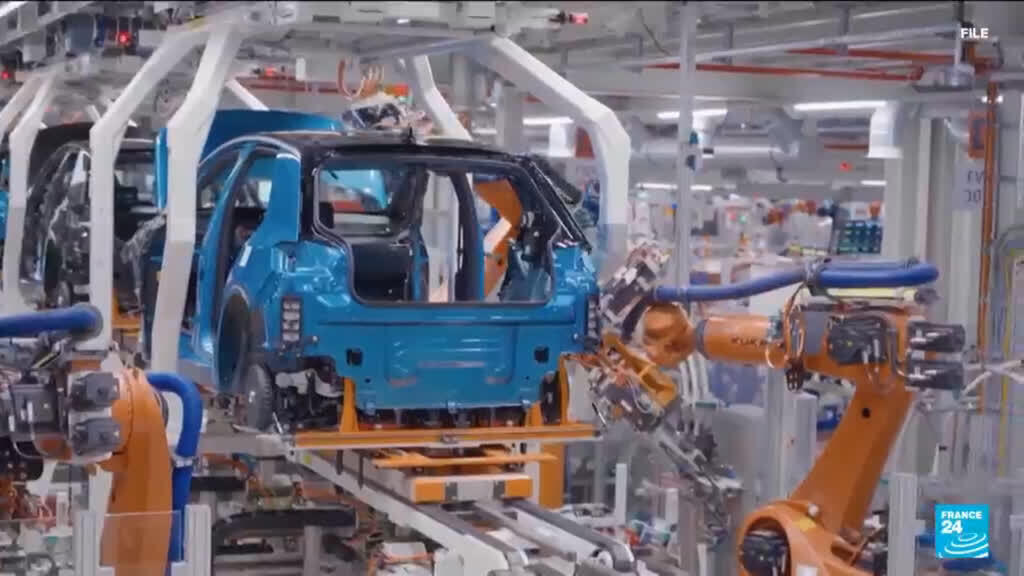
Trump has declared that tariffs on cars and trucks imported from the EU will rise to 25 percent effective next week. This increase represents a 10 percentage point hike from the rate established in a trade deal reached last July. The automotive industry holds particular significance for the EU, contributing substantially to the region's economic landscape. European car makers are well-known global players, and higher tariffs could adversely affect their profitability and market share.
The announcement of these tariffs comes amidst ongoing negotiations and tensions over trade relations between the U.S. and the EU. Trump has often expressed frustration with what he perceives as unfair trade practices, and the automotive sector has been a focal point of his administration's efforts to rectify these issues. By implementing increased tariffs, the U.S. aims to protect its domestic auto industry from foreign competition and reshape the economic dynamics of the transatlantic trade relationship.
Experts within the EU are concerned that such aggressive tariff measures could escalate into a full-blown trade war. The automotive sector not only employs millions of workers across Europe but also plays a vital role in the supply chain for numerous other industries. An increase in tariffs could lead to higher vehicle prices for consumers in the U.S., ultimately affecting economic conditions on both sides of the Atlantic.
This trade strategy aligns with Trump's broader "America First" vision, which prioritizes U.S. economic interests and seeks to minimize trade deficits. Critics argue that such unilateral actions may backfire and strain diplomatic relations with European allies. The EU, while acknowledging the importance of fair trade practices, may retaliate against U.S. exports, creating a cycle of escalating tariffs that could harm both economies.
As the automotive industry braces for potential fallout, companies and labor leaders are preparing to navigate this new landscape. The ramifications of these tariffs go beyond immediate economic impacts; they could reshape long-term strategic alliances and influence political dynamics in upcoming elections, both in the U.S. and Europe.
In conclusion, Trump's decision to withdraw troops from Germany and increase tariffs on European automotive imports marks a pivotal moment in U.S.-EU relations. With the automotive sector at the center of this dispute, stakeholders on both sides are watching closely as they brace for the possible outcomes of these measures. Whether these actions will lead to a more favorable trade environment for the U.S. remains to be seen, but the ripple effects are sure to be felt in the global economy.
```